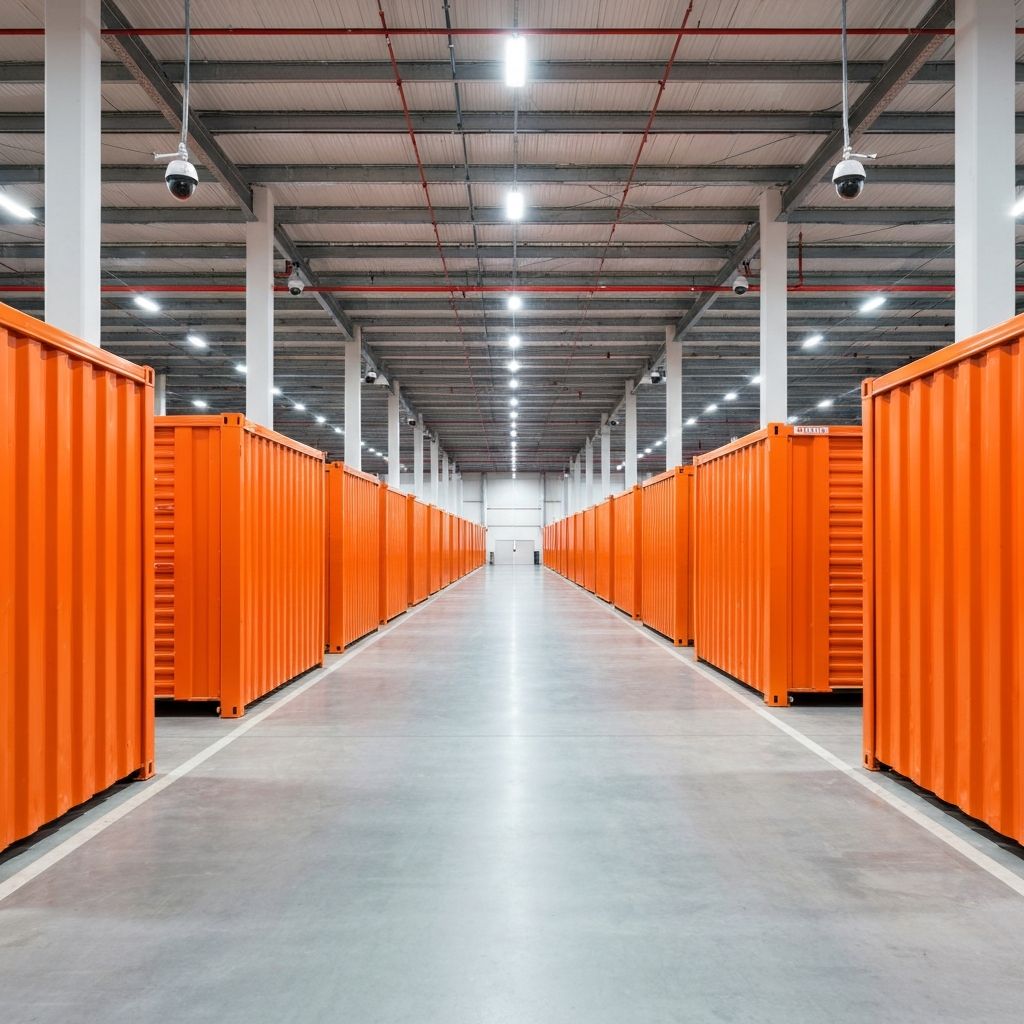

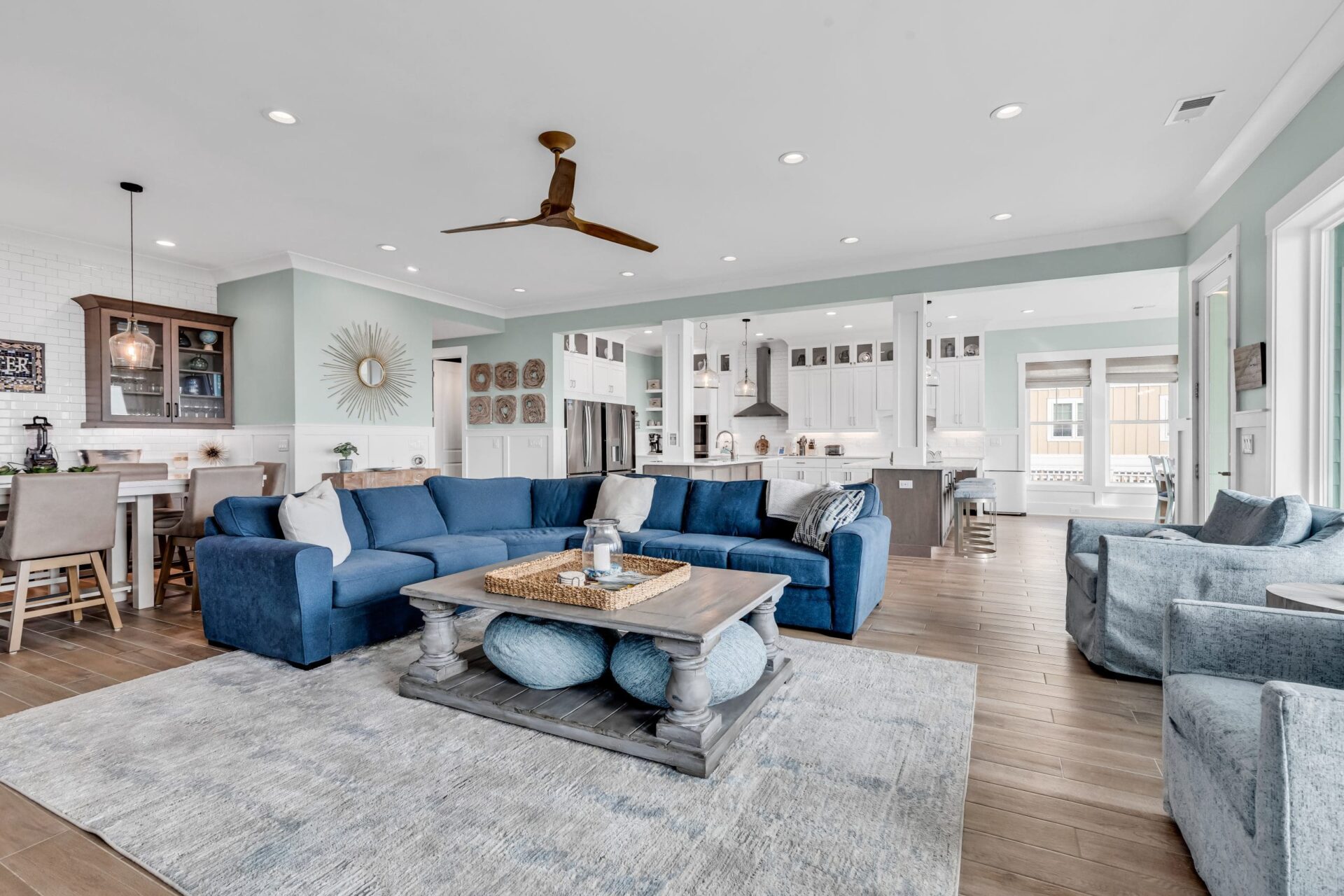
More Australian families are choosing multigenerational storage solutions as housing affordability forces multiple generations to share homes. When grandparents, parents, and adult children live together, the accumulation of belongings from different households creates significant space pressures that traditional home storage simply cannot handle.
The shift toward multi-generational living isn’t just a cultural preference. Research shows that financial issues drive most multi-generational living arrangements, with rising property prices and rental costs making it financially necessary for many families to combine households. This practical housing arrangement brings unique storage challenges that require thoughtful planning and flexible solutions.
Understanding why these homes need dedicated storage space helps families prepare for successful shared living arrangements while maintaining individual privacy and reducing household stress.
What makes multi-generational storage different from regular home storage
Multi-generational homes face storage pressures that single-family households rarely encounter, though the evidence on this specific comparison is still emerging. When multiple adults with established lifestyles move in together, each person brings furniture, clothing, personal items, and memories that hold significant value.
How many belongings accumulate in shared homes
Consider the storage impact when three separate households merge into one space. Each generation typically owns complete sets of kitchen appliances, furniture, electronics, and seasonal items. Rather than discarding functional belongings, families often need temporary storage while deciding what to keep long-term.
Adult children returning home after university or career changes bring years of accumulated possessions. Meanwhile, older family members downsizing from larger properties still want to preserve important furniture pieces and family heirlooms that define their identity and comfort.
Why built-in storage falls short
Standard Australian homes are designed for nuclear families, with wardrobes, pantries, and cupboards sized accordingly. When occupancy doubles or triples, these built-in solutions become inadequate quickly.
- Bedroom wardrobes designed for two people cannot accommodate three or four adults’ clothing
- Kitchen pantries struggle with bulk buying for larger households
- Linen cupboards overflow when multiple people store bedding, towels, and personal care items
- Garage space disappears under boxes of belongings that don’t fit inside
These space constraints create daily friction as family members compete for storage areas and living spaces become cluttered with displaced belongings.
What causes storage problems in multi-generational households
Storage challenges in shared family homes stem from both practical space limitations and the emotional difficulty of letting go of meaningful possessions during major life transitions.
Why decluttering becomes more complex
Each generation approaches belongings differently, making collective decluttering decisions challenging. Older adults may resist discarding items with sentimental value, while younger family members prioritise functionality over sentiment.
The process becomes emotionally charged when family members feel pressured to discard possessions to accommodate others. While experts have different views on the exact causes, this tension often leads to keeping more items than the shared space can reasonably hold, creating ongoing organisation problems.
How lifestyle differences create storage conflicts
Multi-generational homes often house family members with vastly different lifestyles, hobbies, and space needs. Teenagers require study areas and space for sports equipment, while grandparents may need room for craft supplies or gardening tools.
Professional adults working from home need dedicated office spaces and document storage, creating competition for rooms that might otherwise serve as general storage areas. These competing needs make it difficult to designate specific storage zones for different types of belongings.
How storage issues affect family relationships
Inadequate storage in multi-generational homes creates stress that extends far beyond simple organisation problems. When belongings overflow into shared living areas, family relationships suffer from constant negotiation over space and access.
What happens when personal space disappears
Adults living in multi-generational arrangements need private spaces to maintain their sense of independence and identity. When storage overflows into bedrooms, living rooms, and other shared areas, it eliminates the psychological boundaries that healthy adult relationships require.
Family members report feeling frustrated when they cannot find personal items quickly or when their belongings get mixed with others’ possessions. This daily inconvenience accumulates into larger resentments about autonomy and respect within the household.
Why clutter increases household tension
Visible clutter in shared spaces creates ongoing stress for all household members, though research on this specific dynamic is still emerging. Different family members have varying tolerance levels for mess and organisation, leading to conflicts over cleanliness standards and responsibility for maintaining common areas.
- Some family members feel anxious in cluttered environments
- Others become defensive about their belongings being criticised
- Daily negotiations about what stays and what goes create fatigue
- Guests become reluctant to visit homes that appear chaotic
“The key to successful multi-generational living is ensuring each family member has adequate private space for their belongings while keeping shared areas comfortable for everyone.”
Proactively addressing storage helps families focus on the positive aspects of shared living rather than constantly managing space conflicts.
What types of items need external storage in multi-generational homes
Certain categories of belongings are particularly well-suited to external storage solutions, allowing families to keep meaningful possessions without overwhelming their shared living space.
Which seasonal and occasional items work best in storage
Studies have found that seasonal and occasional items are ideal candidates for offsite storage without impacting daily life. These belongings take up valuable space in homes but don’t require immediate access.
| Item Category | Storage Duration | Access Frequency | Space Impact |
|---|---|---|---|
| Holiday decorations | 10–11 months per year | Once per season | High volume, awkward shapes |
| Winter clothing and bedding | 6–8 months | Seasonal rotation | Bulky, requires climate control |
| Sports equipment | Variable | Weekly to monthly | Large, oddly shaped items |
| Extra furniture | Months to years | Rare | Extremely high |
How to handle sentimental and transitional belongings
Multi-generational households often contain belongings that family members aren’t ready to discard but don’t need for daily living. These items create emotional stress when families feel forced to choose between keeping treasured possessions and maintaining liveable space.
External storage provides a middle ground, allowing families to preserve meaningful items while they decide on long-term plans, though the evidence on this specific approach is still emerging. This approach is particularly valuable during transitional periods when family members are adjusting to shared living arrangements.
For families considering decluttering strategies for shared homes, external storage offers the time and space needed to make thoughtful decisions about belongings without pressure.
How mobile storage solutions support multi-generational living
Mobile storage offers unique advantages for multi-generational households because it adapts to changing family circumstances without requiring long-term commitments or transport logistics that burden busy families.
Why flexibility matters for changing households
Multi-generational living arrangements often evolve as family members’ circumstances change. Adult children may move out when they can afford independent housing, or additional relatives might join the household during difficult periods.
Research suggests that flexible storage solutions accommodate these changes by allowing families to adjust their storage needs without relocating belongings multiple times. When family members move in or out, storage can be delivered or collected as needed, reducing the logistical burden on families already managing complex living arrangements.
How door-to-door service reduces family stress
Families living in shared arrangements often have limited time and energy for additional tasks like transporting belongings to storage facilities. Mobile storage eliminates this burden by bringing storage units directly to the home.
- Family members can pack belongings at their own pace without rushed facility visits
- No need to coordinate vehicle rentals or multiple trips with boxes
- Elderly family members can participate in packing decisions without physical strain
- Items can be retrieved quickly when family needs change
This convenience factor is particularly important for households managing multiple schedules, work commitments, and care responsibilities across different generations.
What the research says about multi-generational storage
Evidence shows several clear patterns about storage needs in multi-generational households, though some areas need further research.
- Seasonal storage works: Research confirms that seasonal items like holiday decorations, winter clothing, and sports equipment can be safely stored offsite without affecting daily life.
- Flexible solutions help: Studies suggest that mobile storage options effectively manage changing family dynamics as members move in or out of households.
- Climate protection matters: Australian climate conditions damage sensitive belongings including textiles, furniture, and documents, making climate-controlled storage essential for long-term preservation.
- Space challenges are real: While not all studies agree on the specific comparison to single-family homes, evidence consistently shows that multi-generational households face significant space constraints.
- Relationship effects need study: The evidence is still emerging on exactly how storage issues affect family relationships, though experts have different views on the best approaches.
What to consider when planning storage for multi-generational homes
Successful storage planning for shared households requires understanding both immediate space needs and longer-term family goals. Families benefit from approaching storage decisions systematically rather than reactively.
How to assess your family’s storage needs
Start by evaluating which belongings truly need to remain in the home for daily or weekly use versus items that could be stored externally. This assessment should involve all household members to ensure important items aren’t accidentally relegated to storage.
Consider the accessibility needs of different family members. Elderly relatives may need more frequent access to seasonal clothing, while working adults might prioritise quick access to professional materials.
- List belongings by frequency of use (daily, weekly, monthly, seasonal, rare)
- Identify items with high emotional value that family members aren’t ready to discard
- Calculate the space these items currently occupy in your home
- Determine which family members need access to specific stored items
Why climate-controlled storage matters for family belongings
Multi-generational households often store a wider variety of belongings than single-family units, including delicate items like photographs, documents, musical instruments, and heirloom furniture that require protection from temperature and humidity fluctuations.
Australian climate conditions can damage sensitive belongings over time, making climate control essential for longer-term storage. This consideration becomes more important when storing items with significant sentimental or financial value that family members plan to use again in the future.
Families exploring practical approaches to combining households often find that proper storage planning reduces stress during the transition period and beyond.
How storage improves daily life in multi-generational homes
When multi-generational households successfully address storage challenges, the benefits extend beyond simply having more space. Evidence shows that proper storage solutions improve family relationships, reduce daily stress, and help create the privacy boundaries that adults need for healthy coexistence, though not all research agrees on the exact mechanisms.
What changes when shared spaces stay organised
Families report significant improvements in household harmony when belongings have designated places and shared areas remain uncluttered. This organisation reduces daily negotiations about space usage and eliminates the stress of constantly moving items to access what’s needed.
Clean, organised shared spaces also make it easier for families to enjoy time together and welcome guests without embarrassment about household chaos. This social aspect becomes particularly important for elderly family members who may feel isolated if their home environment prevents them from entertaining friends.
How adequate storage supports individual privacy
Adults living in multi-generational arrangements need private space to maintain their mental health and sense of autonomy. When storage overflows eliminate these private areas, family relationships suffer from lack of individual boundaries.
External storage helps restore private spaces within shared homes by removing excess belongings from bedrooms and personal areas. This allows family members to create comfortable, personalised spaces that support their well-being and independence.
Understanding how flexible storage solutions enhance daily living can help families create more harmonious shared living environments.
How to choose the right storage solution for your multi-generational home
Multi-generational households have diverse storage needs that require flexible, family-friendly solutions. The best storage approaches accommodate changing family circumstances while providing easy access to belongings when needed.
Which storage options work best for families
Different storage solutions serve different aspects of multi-generational living. Mobile storage offers convenience for families managing complex schedules, while traditional self-storage may suit households with predictable, long-term storage needs.
| Storage Type | Best For | Access Convenience | Cost Flexibility |
|---|---|---|---|
| Mobile storage | Busy families, elderly members | Door-to-door delivery | Monthly billing, no lock-in |
| Self-storage | Frequent access needs | Drive-to facility | Various contract lengths |
| Portable units | Temporary transitions | On-site access | Short-term rental |
| Climate-controlled | Valuable or sensitive items | Variable | Higher cost, better protection |
What size storage do multi-generational homes typically need
Storage size requirements for shared households depend on the number of family members, the types of items being stored, and whether storage is temporary or long-term. Industry standards indicate that multi-generational families benefit from larger units that can accommodate belongings from multiple people.
Families often underestimate their storage needs initially, then require additional space as they discover more items that could be stored externally. Starting with adequate capacity prevents the inconvenience and cost of upgrading storage size later.
For guidance on selecting appropriate storage unit sizes based on your household’s specific needs, consider consulting with storage specialists who understand multi-generational requirements.
What to do next for your multi-generational storage needs
Addressing storage challenges in multi-generational homes requires a systematic approach that considers both immediate space relief and longer-term family goals. The most successful families start with clear planning and choose flexible solutions that adapt to changing circumstances.
How to start your storage planning process
Begin by involving all household members in honest discussions about belongings, space needs, and storage priorities. This collaborative approach ensures that everyone’s concerns are addressed and prevents misunderstandings about what will be stored versus kept at home.
- Schedule family meetings to discuss storage needs and concerns
- Create inventory lists of items that could be stored externally
- Research storage options that match your budget and access requirements
- Start with clearly seasonal items to create immediate space relief
- Plan for regular reviews as family circumstances change
Families exploring storage solutions for simplified living often find that professional guidance helps them choose the most effective approach for their specific situation.
Why professional storage consultation helps
Multi-generational households benefit from storage advice that considers family dynamics, accessibility needs, and changing circumstances. Professional storage consultants can recommend solutions that families might not consider independently.
For families ready to explore flexible storage solutions, mobile storage options, or portable storage alternatives, professional guidance ensures you choose the approach that best supports your shared living goals.
[key_summary summary=”Multi-generational homes face unique storage challenges as multiple families share limited space, creating clutter and tension over belongings. This guide explains why extra storage becomes essential for maintaining harmony and organisation when grandparents, parents, and adult children live together under one roof.”]
Creating harmony through smart storage choices
Multi-generational living represents a practical response to Australia’s housing challenges, but success depends on thoughtful planning around space and storage needs. When families address storage proactively, they can focus on the benefits of shared living rather than constantly managing space conflicts.
The key lies in recognising that storage challenges in multi-generational homes differ significantly from typical household needs. These households require flexible solutions that accommodate multiple lifestyles, changing family circumstances, and the emotional complexity of sharing space with loved ones who have different approaches to belongings and organisation.
By choosing storage solutions that provide adequate space, convenient access, and flexibility for changing needs, multi-generational families can create homes that support both togetherness and individual privacy. This balance makes shared living arrangements sustainable and enjoyable for all family members.
Proper storage planning isn’t just about finding space for belongings. It’s about creating the foundation for successful multi-generational relationships that can thrive despite the practical challenges of shared living in today’s housing market.