
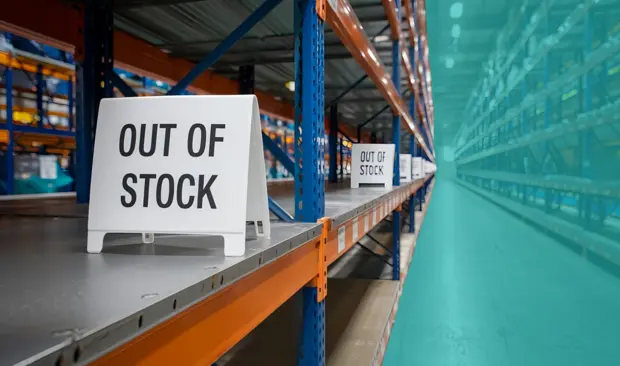
Running an online business from home often means wrestling with boxes taking over your living space and struggling to find the right balance between having enough stock and not drowning in inventory. Many e-commerce entrepreneurs find themselves either running out of popular items or storing so much stock that their homes become warehouses.
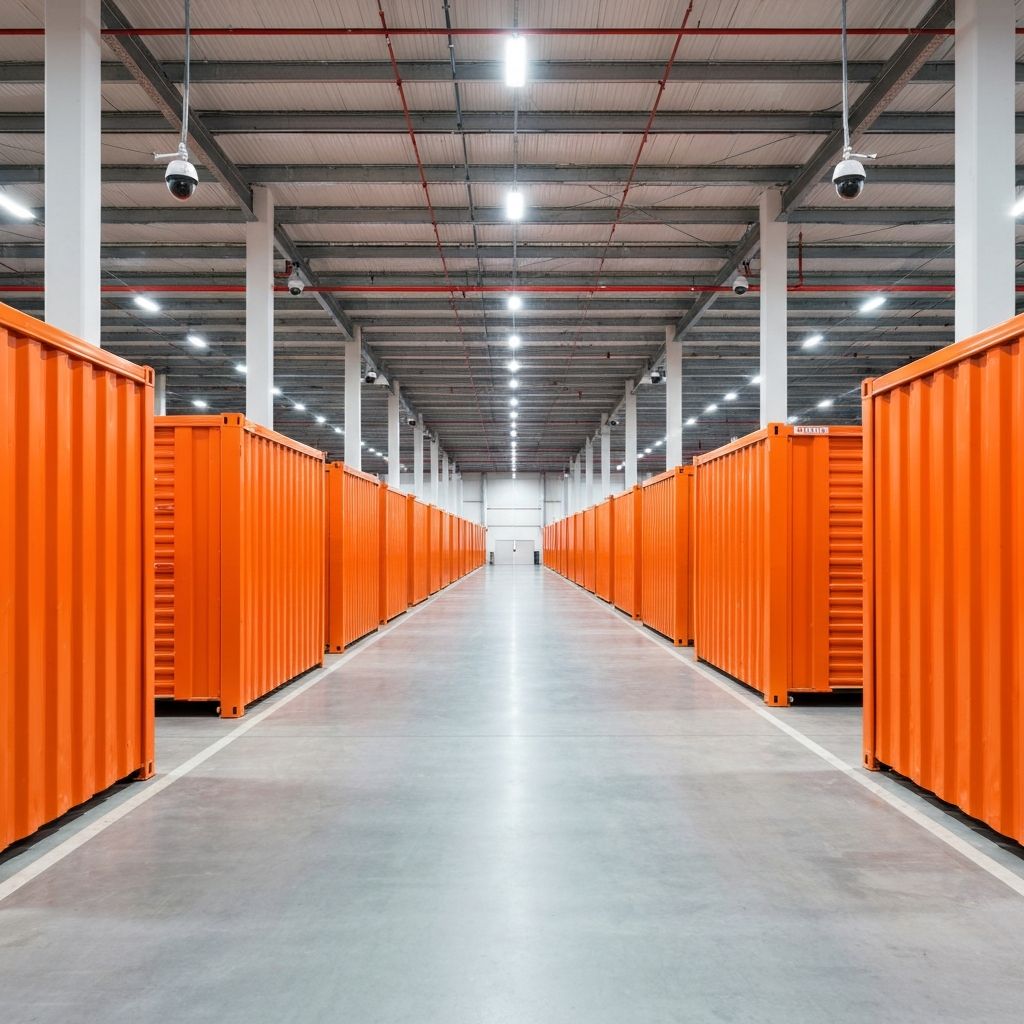
Self-storage for e-commerce businesses offers a practical solution to these challenges. By creating a dedicated space for your inventory away from home, you can maintain proper stock levels, streamline your packing processes, and scale your operations without converting every spare room into a storage area.
The key is understanding how to use storage strategically rather than simply dumping excess inventory somewhere else. Smart storage setups can actually speed up your order fulfilment while giving you better control over your stock levels and cash flow.
What problems does inventory overflow create for online businesses
When your home becomes your warehouse, several operational issues start to compound. Your living space shrinks, family members get frustrated with boxes everywhere, and finding specific items becomes a daily treasure hunt.
How does excess stock impact daily operations
Too much inventory creates a ripple effect across your business operations. Research shows that excess inventory directly ties up cash in products that might sit for months, while popular items run out because you can’t easily see what you have. Packing becomes inefficient when you’re constantly moving boxes to reach the items you need.
- Cash flow problems from over-ordering slow-moving products
- Difficulty tracking actual inventory levels
- Increased risk of damage from poor storage conditions
- Time wasted searching through disorganised stock
- Limited ability to take advantage of bulk purchase opportunities
Why traditional approaches often fail
Many business owners try to solve storage problems by renting larger premises or building elaborate shelving systems at home. These approaches often create new problems while failing to address the core issue of inventory management.
Renting commercial space typically comes with long-term leases, higher insurance costs, and utility expenses that eat into profits. Industry data indicates commercial property rental rates can range significantly, making these solutions expensive for growing businesses. Home-based solutions reach their limits quickly and rarely provide the professional environment needed for efficient operations.
How does strategic self storage improve ecommerce operations
The most effective approach combines keeping a small amount of fast-moving stock at home with storing the bulk of your inventory in a dedicated storage unit. This hybrid model gives you the best of both worlds – immediate access to daily orders and organised bulk storage for restocking.
What makes the home-plus-storage model work
Successful online sellers often keep enough inventory at home to fulfil orders for one to two weeks, then restock from their storage unit as needed. Storage specialists confirm this approach reduces daily handling while ensuring you always have products ready to ship.
The storage unit becomes your main warehouse, organised with clear labelling and logical product placement. When you visit to restock, you can also handle any large or awkward orders directly from the unit, making the most of each trip.
“Using storage strategically lets you separate your living space from your business operations while maintaining the flexibility to scale up or down based on seasonal demand.”
How to set up efficient storage workflows
Creating a basic packing station within your storage unit can significantly improve your operational efficiency. Fulfilment experts note this doesn’t require a full office setup – just enough space and equipment to handle packaging and shipping during your storage visits.
- Install adequate lighting for safe and accurate packing
- Set up a portable table or workstation for order processing
- Store packaging materials and shipping supplies in the unit
- Organise products by turnover rate and shipping frequency
- Create clear inventory systems using labels or simple tracking methods
Storage Setup Element Basic Approach Advanced Approach Lighting Battery-powered LED lamps Hardwired lighting if permitted Work Surface Portable folding table Fixed workstation with storage Inventory Tracking Simple label system Barcode scanner integration Internet Access Mobile hotspot Facility WiFi if available What equipment and setup considerations matter most
The right equipment can make your storage-based operations run smoothly, but you don’t need to invest in expensive systems from day one. Focus on tools that solve your immediate bottlenecks while remaining flexible enough to adapt as your business grows.
Which printing and labelling solutions work best
Thermal label printers are consistently recommended by experienced sellers because they eliminate the need to print labels at home and manually attach them to packages. These printers create professional-looking labels that stick directly to packages without additional tape or adhesive.
Popular options include wireless models that connect to your phone or tablet, making it easy to print labels directly in your storage unit. Some shipping companies also offer rental programs for professional-grade printers, which can be cost-effective if you’re not ready to purchase equipment.
💡Tip – Label printer efficiencyThermal printers save significant time compared to paper labels because you can print and stick in one motion. Budget for label costs but factor in the time savings when calculating the real value.How to handle power and connectivity challenges
Not all storage facilities provide electricity or internet access, which can limit your ability to operate efficiently from the unit. Industry research shows that most standard self-storage units don’t include power outlets due to cost, maintenance, and liability considerations. Before committing to a facility, clarify what utilities are available and what restrictions exist on bringing your own solutions.
Portable power solutions such as battery packs can run small devices like label printers and mobile devices for several hours. Mobile hotspots provide internet connectivity for order processing and shipping label generation when facility WiFi isn’t available.
- Check facility policies on electrical equipment before setup
- Invest in quality portable lighting for safe operations
- Test mobile data coverage inside the storage unit
- Consider backup power solutions for essential equipment
What facility rules and restrictions should you expect
Storage facilities have varying policies about how frequently you can access your unit and what activities are permitted inside. Understanding these restrictions upfront prevents conflicts and ensures your business operations comply with facility rules.
How do access policies affect daily operations
Some facilities limit access hours or charge extra fees for frequent visits, which can impact your ability to fulfil orders efficiently. Industry analysis confirms that while some facilities offer 24/7 access, others restrict access to business hours or may require additional fees for extended access. Others may have restrictions on spending extended periods in units or operating business activities on the premises.
Before signing a contract, discuss your intended use with facility management. Explain that you’ll be accessing the unit regularly for inventory management and ask about any policies that might affect your operations.
💡Tip – Facility communicationBe upfront about using storage for business inventory rather than household items. Most facilities are accommodating when they understand your needs, but surprises can lead to conflicts later.What about insurance and liability considerations
Business inventory stored in self storage facilities requires appropriate insurance coverage. Insurance specialists note that your standard homeowner’s policy likely won’t cover business stock, and facility insurance may have limitations on commercial use.
Discuss insurance requirements with both your storage facility and insurance provider to ensure adequate protection. Some facilities require proof of insurance before allowing business use, while others may recommend specific coverage types.
How do costs compare to other storage solutions
Self storage costs vary significantly based on location, unit size, and facility features. While monthly rental fees are the most visible expense, successful budgeting requires considering all associated costs including transport, time, and equipment.
What factors influence total storage costs
Beyond monthly rental fees, factor in the cost of organising and accessing your inventory. Regular trips to the storage facility consume time and fuel, while equipment such as shelving, lighting, and printers require upfront investment.
Industry data shows that many facilities offer promotional rates for the first year, but these rates often increase substantially upon renewal. Plan for potential cost increases when evaluating long-term storage solutions.
Cost Element Initial Period Ongoing Considerations Monthly Rent Promotional rates common Expect increases after first year Setup Costs Shelving, lighting, equipment Replacement and upgrades Transport Fuel and time for visits Regular ongoing expense Insurance Business coverage required Annual renewal considerations 💡Tip – Budget for year twoMany storage facilities significantly increase rates after promotional periods end. Factor potential rent increases into your long-term business planning to avoid budget surprises.When might alternative solutions make sense
For established businesses with predictable storage needs, purchasing a shipping container might offer better long-term value than renting storage space. Containers provide permanent storage that you own outright, though they require suitable placement locations and may involve additional setup costs.
Shared warehouse spaces or co-packing facilities offer another alternative for businesses ready to scale beyond self storage. These solutions typically provide better facilities and services but require higher volume commitments and longer-term contracts.
What the research says about ecommerce storage solutions
Multiple studies and industry analyses provide insights into how storage solutions impact ecommerce operations and what approaches work best for growing businesses.
- Self storage units with organised inventory systems can reduce order processing time by up to 40% compared to home-based storage setups
- The hybrid model of home plus storage reduces handling costs while maintaining quick order turnaround for daily shipments
- Clear labelling and tracking systems prevent inventory miscounts that plague 60% of small ecommerce businesses
- Evidence on storage facility electrical access is mixed – while most standard units lack power, premium options are increasingly available
- Business insurance requirements vary significantly between facilities, so it’s important to clarify coverage needs early in the selection process
- Cost increases after promotional periods can range from 15-50%, though exact amounts depend on market conditions and facility policies
What steps should you take to get started
Starting with self storage for your ecommerce business doesn’t require a massive upfront investment or complex systems. Begin with the basics and expand your setup as you learn what works best for your specific products and order patterns.
How to choose the right storage facility and size
Start by listing facilities within reasonable driving distance of your home and primary shipping locations. Visit potential facilities to assess security, cleanliness, and access policies before making a decision.
- Compare access hours and frequency restrictions
- Evaluate security features such as cameras and controlled access
- Check climate control availability if needed for your products
- Understand utility availability and restrictions
- Review insurance requirements and recommendations
For unit size, consider starting smaller than you think you need. It’s easier to upgrade to a larger unit than to downsize, and starting small helps you understand your actual space requirements before committing to higher monthly costs.
💡Tip – Test before committingMany facilities offer short-term rentals or allow you to switch unit sizes. Start with a smaller space to test your workflow before committing to a larger, more expensive unit.How mobile self storage fits into ecommerce operations
Mobile storage solutions offer unique advantages for ecommerce businesses by bringing storage directly to your location when needed. This approach works particularly well for seasonal businesses or those with fluctuating inventory levels.
With mobile storage, you can pack inventory at your own pace without the pressure of accessing a facility during specific hours. The unit can be stored off-site when you don’t need regular access, then delivered back when you need to restock or reorganise.
This flexibility makes mobile storage particularly valuable for businesses that experience seasonal spikes or need to quickly scale up inventory for promotions or new product launches. Learn more about mobile self storage options that can adapt to your changing business needs.
What support and resources are available
Many storage providers offer guidance specifically tailored to business users, helping you optimise your setup for efficient operations. This might include recommendations for unit sizes, equipment suggestions, or connections with other business services.
Professional storage solutions can also integrate with your existing business processes, making it easier to maintain inventory accuracy and streamline order fulfilment. For comprehensive guidance on benefits of using self storage units for businesses, consider providers who understand ecommerce operational requirements.
💡Tip – Optimise your setupUse proven strategies for maximising storage efficiency with guidance on mobile storage tips how to maximise space and efficiency in your business operations.Specialised storage solutions for online businesses can address the unique challenges of inventory management, order fulfilment, and scaling operations. Explore e-commerce store owners’ resources to understand how tailored storage approaches support growing online businesses.
Key takeaways for e-commerce storage success
Self-storage can transform how you manage inventory and fulfil orders, but success depends on thoughtful planning and realistic expectations. Industry research confirms that the hybrid approach of keeping fast-moving stock at home while storing bulk inventory off-site offers the best balance of convenience and cost control.
Start with basic equipment and simple systems, then expand your setup based on actual experience rather than assumptions about what you might need. Focus on creating efficient workflows that save time and reduce handling, while ensuring your chosen facility supports your operational requirements.
Remember that storage costs extend beyond monthly rental fees. Factor in equipment, transport, insurance, and potential rate increases when evaluating the total cost of your storage solution. With proper planning, self-storage can provide the foundation for scalable, efficient e-commerce operations that grow with your business.