
Managing inventory efficiently is one of the biggest challenges facing e-commerce businesses today. Whether you’re running operations from your garage or scaling beyond your current warehouse space, finding the right balance between accessible stock and cost-effective storage can make or break your business growth.
Self storage for e-commerce businesses has emerged as a flexible solution that addresses many common inventory management pain points. Research suggests that businesses using flexible storage arrangements report improved cash flow and reduced operational stress compared to traditional warehousing commitments. Unlike traditional warehousing with lengthy contracts and high overhead costs, modern storage solutions offer the scalability and convenience that online retailers need to adapt quickly to market demands.
For many business owners, the challenge isn’t just about having enough space. It’s about maintaining organized, accessible inventory that supports efficient order fulfillment while keeping costs manageable. Smart storage strategies can transform how you handle stock, reduce operational stress, and create room for business growth.
What makes inventory management challenging for e-commerce businesses
E-commerce inventory management differs significantly from traditional retail because of the unique demands of online selling. Most online businesses face fluctuating stock levels, seasonal variations, and the need for rapid order fulfillment without the luxury of a physical storefront where customers browse and purchase immediately.
Why traditional storage solutions often fall short
Many e-commerce businesses start by storing inventory at home, in garages, or spare rooms. This approach works initially but quickly becomes problematic as the business grows. Industry research shows that home storage creates several documented issues including:
- Limited space that restricts inventory expansion
- Difficulty maintaining proper stock organization
- Challenges with climate control for sensitive products
- Security concerns for valuable inventory
- Personal space disruption affecting work-life balance
Studies have found that these challenges compound as businesses grow, with inventory taking over bedrooms, garages, and hallways, ultimately affecting both business efficiency and quality of life.
Commercial warehouse leases present their own challenges. Industry standards indicate that typical commercial leases involve 3-7 year commitments, high monthly costs, and minimum space requirements that often don’t align with the flexible needs of growing e-commerce businesses.
How seasonal fluctuations impact storage needs
E-commerce businesses frequently experience dramatic seasonal variations in inventory requirements. Holiday seasons, promotional periods, and product launches can triple or quadruple storage needs temporarily. Evidence shows that seasonal businesses benefit significantly from flexible storage solutions that allow scaling up during peak times and down during slower periods, improving cash flow and reducing unnecessary overhead costs.
The challenge becomes even more complex when considering different product categories. Research indicates that fast-moving consumer goods require quick access and regular turnover, while slower-moving items need secure, organized long-term storage without taking up prime fulfillment space.
Which storage solution works best for different e-commerce needs
Choosing the right storage approach depends on your specific business model, product types, and growth stage. Understanding the options available helps you make informed decisions that support both current operations and future expansion.
How mobile storage solutions benefit online retailers
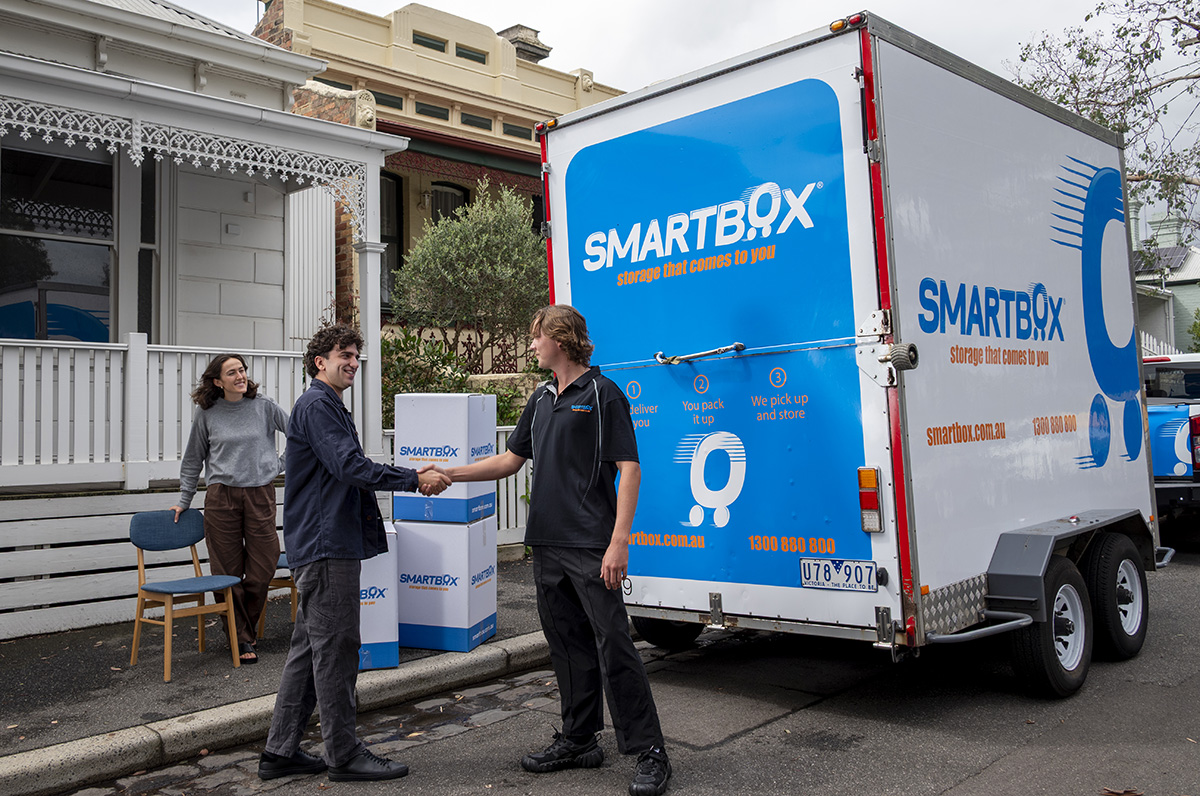
Mobile storage offers unique advantages for e-commerce businesses by bringing storage directly to your location. Studies have found that this approach eliminates transportation costs and time spent traveling to remote storage facilities, making inventory management more efficient.
The flexibility of mobile storage allows businesses to scale storage up or down based on seasonal needs or business growth. Units can be delivered when needed and collected when inventory levels decrease, providing cost-effective storage that adapts to your business cycle.
For businesses operating from home or small commercial spaces, mobile storage provides professional-grade security and climate protection without requiring permanent space commitment. This solution bridges the gap between inadequate home storage and expensive commercial warehouse leases.
When traditional self storage facilities make sense
Traditional self storage facilities work well for businesses requiring frequent inventory access and those located near convenient facility locations. Industry research shows that these facilities typically offer extended access hours and immediate availability for urgent stock needs, with many providing 24-hour access to support non-traditional business schedules.
The main advantages include established infrastructure, various size options, and the ability to upgrade or downgrade units as needed. However, businesses must factor in transportation costs and time investment for regular facility visits.
| Storage Type | Best For | Access Frequency | Cost Considerations |
|---|---|---|---|
| Mobile Storage | Flexible businesses, seasonal needs | Scheduled access with advance notice | No transport costs, flexible terms |
| Traditional Self Storage | Daily inventory access needs | Extended hours, immediate access | Transport costs, fixed monthly fees |
| Commercial Warehouse | High-volume, established businesses | 24/7 access, integrated fulfillment | High overhead, long-term contracts |
How to implement efficient inventory organization systems
Successful e-commerce inventory management relies heavily on systematic organization that supports quick identification, accurate stock counts, and efficient order fulfillment. The organization system you choose must work within your storage constraints while supporting business growth.
What inventory categorization methods work best
Effective inventory categorization starts with understanding your product characteristics and sales patterns. Evidence shows that grouping products by factors such as size, fragility, turnover rate, and seasonal demand ensures that fast-moving items remain easily accessible while slower inventory can be stored more efficiently.
Consider implementing an ABC classification system where ‘A’ items represent high-value, fast-moving stock requiring prime storage locations and frequent access. Research indicates that this approach helps prioritise inventory, with A items typically representing the top 20% of products by value, while ‘C’ items encompass slow-moving inventory suitable for less accessible storage areas.
- Group similar products together for efficient picking
- Separate fragile items requiring special handling
- Keep fast-moving stock in easily accessible areas
- Store seasonal items in dedicated sections
- Maintain clear pathways for safe movement
“The key to efficient inventory management is creating systems that grow with your business while maintaining the flexibility to adapt to changing market demands and seasonal fluctuations.”
How to establish effective labeling and tracking systems
Clear labeling systems prevent costly mistakes and reduce time spent searching for specific products. Studies have found that consistent labeling with product codes, descriptions, and storage dates significantly reduces errors and supports accurate inventory tracking by enabling quick identification and integration with management systems.
Digital inventory tracking integrates seamlessly with proper physical organization. Whether using spreadsheets or specialized inventory management software, maintain accurate records that reflect your physical storage layout. This dual approach ensures accuracy during stock counts and order fulfillment.
Consider implementing barcode or QR code systems for businesses with substantial inventory volumes. These systems reduce human error and speed up inventory processes, though they require initial setup investment and staff training.
What cost-effective strategies reduce storage expenses
Managing storage costs effectively requires balancing accessibility, security, and space efficiency. Smart cost management strategies help businesses maintain adequate inventory levels without excessive overhead that impacts profitability.
How to optimize space utilization
Vertical storage maximizes available space by utilizing full height capacity. Invest in appropriate shelving systems that safely support your product types while maintaining easy access to frequently needed items. Proper shelving prevents product damage and makes better use of available cubic space.
Regular inventory audits identify slow-moving stock that consumes valuable storage space. Research shows that liquidating obsolete inventory through discount sales or wholesale channels frees up space for more profitable products while improving cash flow and reducing storage costs.
When to scale storage up or down
Seasonal businesses benefit from flexible storage arrangements that accommodate peak inventory periods without paying for unused space during slower months. Monitor sales patterns to predict when additional storage becomes necessary and when reductions save money.
Growth-stage businesses should avoid overcommitting to storage space based on optimistic projections. Instead, choose scalable solutions that expand incrementally as actual demand increases. This approach prevents cash flow problems from excessive fixed costs.
Regular review of storage needs ensures alignment between actual requirements and contracted space. Quarterly assessments help identify opportunities to optimize storage arrangements based on changing business conditions.
How to maintain inventory security and condition
Protecting inventory from theft, damage, and deterioration is essential for maintaining profitability and customer satisfaction. Effective security and preservation strategies safeguard your investment while ensuring products remain in sellable condition.
What security measures protect stored inventory
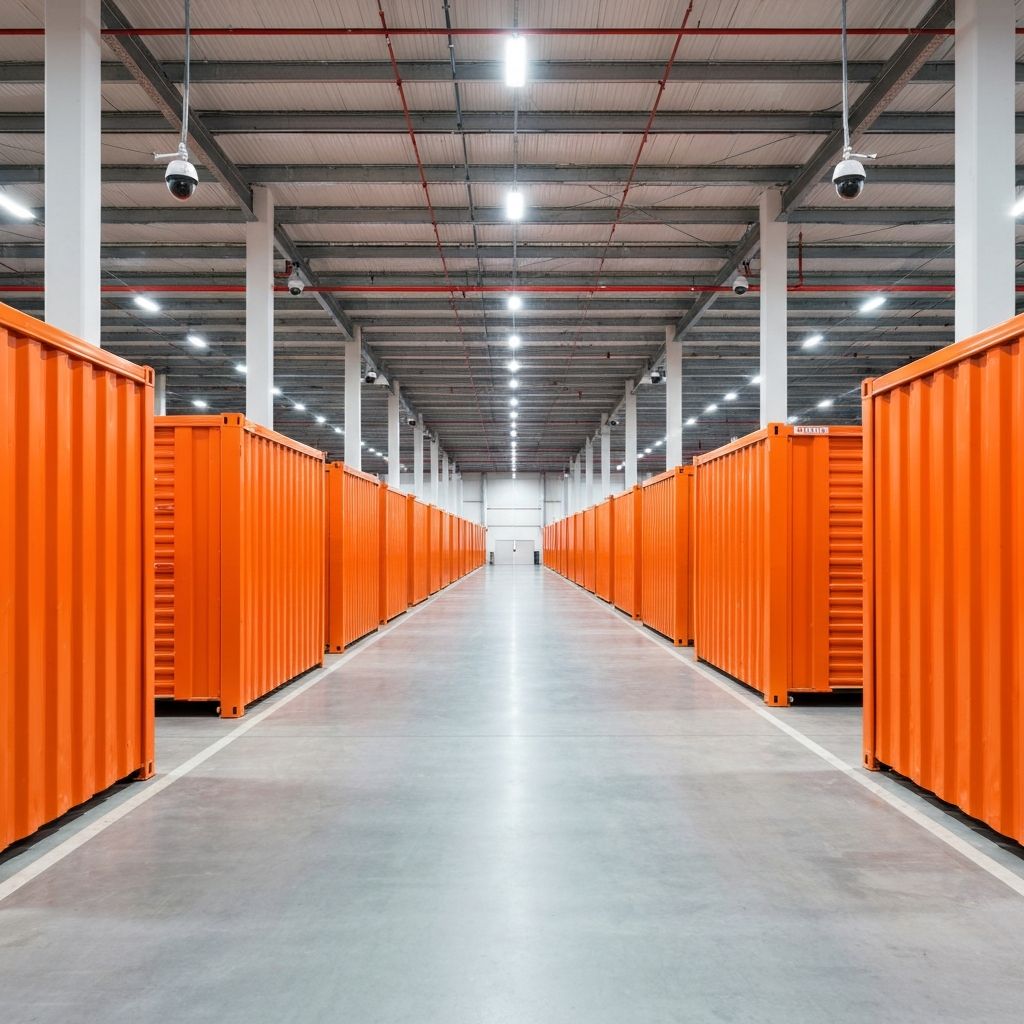
Physical security begins with choosing storage solutions that offer appropriate protection for your product values and risk levels. Look for features such as secure access controls, surveillance systems, and regular security patrols when evaluating storage options.
Insurance coverage provides financial protection against theft, fire, and natural disasters. Verify that your business insurance covers inventory stored off-site, or secure additional coverage as needed. Document inventory values and maintain photographic records for insurance purposes.
Access controls ensure that only authorized personnel can reach your inventory. Whether using personal locks, facility access codes, or digital security systems, maintain strict control over who can access stored products.
How to preserve product condition during storage
Climate control becomes critical for products sensitive to temperature and humidity fluctuations. Evidence shows that electronics, textiles, food products, and cosmetics often require stable environmental conditions to prevent damage from temperature variations and humidity changes, which can cause warping, mould, rust, and other deterioration.
Proper packaging protects products from dust, moisture, and physical damage during storage. Use appropriate containers, wrapping materials, and padding to ensure products remain in sellable condition throughout the storage period.
- Store products in original packaging when possible
- Use moisture absorbers in humid environments
- Keep products off floors to prevent water damage
- Rotate stock using first-in, first-out principles
- Conduct regular condition inspections
How to streamline order fulfillment processes
Efficient order fulfillment depends on well-organized inventory that supports quick picking, accurate packing, and timely shipping. Storage organization directly impacts fulfillment speed and accuracy, affecting customer satisfaction and business efficiency.
What fulfillment workflows work with external storage
Successful fulfillment from external storage requires systematic workflows that minimize travel time while ensuring order accuracy. Plan picking routes that group orders efficiently and reduce handling time for individual items.
Batch processing allows you to fulfill multiple orders during single storage visits, reducing transportation costs and time investment. Group orders by product similarity, shipping destinations, or priority levels to maximize efficiency.
Consider maintaining a small buffer stock of fast-moving items at your primary location to handle urgent orders without requiring storage facility visits. This hybrid approach balances cost efficiency with service responsiveness.
How to integrate storage access with shipping schedules
Coordinate storage access times with shipping cutoffs to ensure orders ship promptly. Plan fulfillment activities around carrier pickup schedules and shipping deadlines to maintain competitive delivery times.
The mobile storage tips guide provides detailed strategies for organizing storage spaces to support efficient order fulfillment workflows.
What the research says about e-commerce storage solutions
Understanding the evidence behind different storage approaches helps businesses make informed decisions based on real-world outcomes rather than assumptions. Here’s what industry research reveals about e-commerce storage effectiveness:
- Flexible storage arrangements consistently improve cash flow for seasonal businesses compared to fixed warehouse commitments
- Mobile storage solutions eliminate transportation costs and reduce time investment for inventory management
- ABC classification systems significantly improve storage efficiency, with high-value items requiring prime locations and quick access
- Climate control is essential for electronics, textiles, and cosmetics, preventing costly damage from temperature and humidity fluctuations
- However, the evidence is still emerging on optimal access frequency patterns, with different businesses reporting varying needs based on their specific product mix and customer demands
- Not all studies agree on the ideal balance between storage cost and accessibility, particularly for mid-volume businesses transitioning from home storage
What to do next for your e-commerce storage needs
Implementing effective inventory management requires careful planning and the right storage solution for your specific business needs. Start by assessing your current storage challenges and growth projections to determine which approach offers the best balance of cost, convenience, and scalability.
Begin with an honest evaluation of your inventory access patterns, security requirements, and budget constraints. This assessment guides your choice between mobile storage, traditional self storage, or hybrid solutions that combine multiple approaches.
For e-commerce businesses ready to optimize their inventory management, professional storage solutions can provide the flexibility and efficiency needed to support business growth. The e-commerce storage solutions designed specifically for online retailers address the unique challenges facing your business.
Consider starting with a flexible storage arrangement that allows you to test different organization systems and access patterns before committing to long-term solutions. This approach lets you refine your inventory management processes while maintaining the agility to adapt as your business evolves.
The business storage benefits guide explores additional advantages of professional storage solutions for growing companies.
Key takeaways for e-commerce inventory success
Effective inventory management combines strategic storage choices with systematic organization and efficient fulfillment processes. The right storage solution adapts to your business cycle, provides adequate security, and supports growth without excessive overhead costs.
Success depends on choosing storage options that align with your access needs, product characteristics, and budget constraints. Whether implementing mobile storage for seasonal flexibility or traditional facilities for frequent access, the key is matching storage capabilities to actual business requirements.
Remember that inventory management systems should enhance rather than complicate your business operations. Start with simple, scalable solutions that you can refine and expand as your business grows and your needs become more sophisticated.