
Small home storage challenges affect millions of Australians, from inner-city apartment dwellers to those downsizing for retirement. Research from The Australia Institute shows that 88% of Australian homes have at least one cluttered room, with homes averaging three or more cluttered spaces. The key isn’t finding more space but using existing space more effectively through thoughtful storage strategies.
Storage helps smaller homes by reducing visual clutter, maximising functional areas, and creating multipurpose spaces that adapt to your daily needs. Rather than cramming furniture and belongings into every corner, strategic storage allows you to maintain clean lines and open areas that make your home feel larger and more comfortable.
Understanding how storage transforms small spaces requires looking beyond traditional solutions. The most effective approaches combine decluttering with smart furniture choices, vertical storage solutions, and flexible systems that grow with your changing needs.
What makes storage effective in small homes
Effective small home storage goes beyond simply finding places to put things. It’s about creating systems that reduce visual clutter while maintaining easy access to what you need.
How vertical and closed storage maximises space
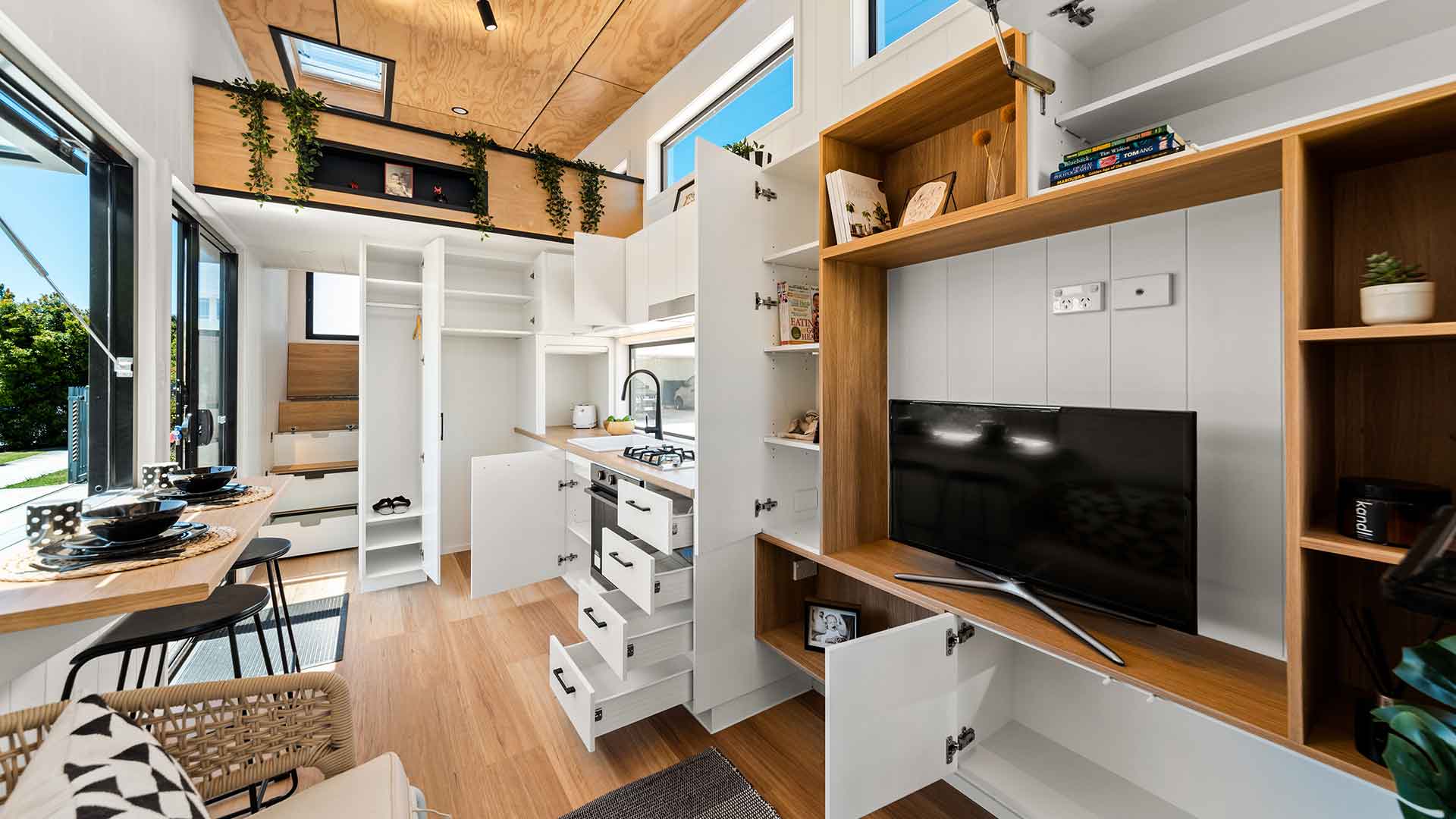
The most impactful storage strategy involves using your walls and choosing closed storage over open shelving. Storage experts recommend that vertical storage draws the eye upward, creating an illusion of height, while closed storage keeps visual clutter hidden.
- Wall-mounted cabinets and floating shelves utilise unused vertical space
- Tall bookcases and storage units create storage without taking up floor space
- Closed drawers and cabinets maintain clean lines throughout your home
- Under-bed storage boxes keep seasonal items accessible but out of sight
This approach works because our brains interpret organised, hidden storage as less cluttered space, even when the same amount of items are present. The visual calm created by closed storage makes rooms feel more spacious and relaxing.
Why furniture scale matters more than quantity
Counterintuitively, using fewer but larger pieces of furniture often creates better flow and functionality than filling a space with many small items. However, interior design experts note that the evidence around optimal furniture arrangements varies, with some preferring strategically chosen larger pieces while others favour multiple smaller items that don’t overwhelm the space. Appropriately scaled furniture leaves more open floor space and provides better storage capacity.
| Furniture Approach | Visual Impact | Storage Benefit | Room Flow |
|---|---|---|---|
| Many small pieces | Cluttered, busy | Limited capacity | Restricted movement |
| Fewer larger pieces | Clean, spacious | Maximised storage | Open pathways |
| Multifunctional pieces | Streamlined | Double purpose | Flexible use |
This principle applies particularly well to storage furniture. A large dresser provides more storage than several small containers while taking up similar floor space and creating cleaner visual lines.
Which multifunctional furniture options work best
Multifunctional furniture serves as both storage and living space, making it essential for small homes. The key is choosing pieces that genuinely serve multiple purposes without compromising comfort or functionality.
How to choose dual-purpose sleeping and seating solutions
Daybeds, futons, and sleeper sofas allow rooms to serve multiple functions without requiring permanent space allocation for each purpose. Furniture specialists confirm that these pieces work particularly well in studio apartments or homes where rooms need to transition between uses.
- Daybeds provide seating during the day and sleeping space for guests
- Sleeper sectionals offer lounge seating with hidden guest bed functionality
- Ottoman storage provides footrest comfort while hiding bedding or seasonal items
- Storage benches offer seating while containing shoes, bags, or outdoor gear
“The best multifunctional furniture feels natural in both roles rather than compromising on comfort for the sake of storage space.”
What storage ottomans and benches can accomplish
Storage ottomans and benches provide hidden storage while serving as additional seating when needed. They work particularly well in entryways, bedrooms, and living areas where flexible seating is valuable.
These pieces excel at storing items you need regular access to such as extra blankets, shoes, or children’s toys. Storage experts highlight that unlike fixed storage, they can be moved around your home as needs change or when you’re cleaning and rearranging.
How to plan storage without overwhelming your space
Successful small home storage requires patience and observation rather than immediate solutions. The most effective approaches develop over time as you understand how you actually use your space.
Why living in your space before making big changes matters
Many people rush to install storage solutions immediately after moving, but this often leads to systems that don’t match real-life usage patterns. Living with minimal storage initially reveals which areas need the most attention and what types of storage will be most useful.
- Observe which areas accumulate clutter most quickly
- Notice which items you access frequently versus rarely
- Track how you move through your space during daily routines
- Identify times when you need temporary surface space for activities
This observation period typically takes three to six months but leads to storage solutions that actually improve your daily life rather than just providing places to put things.
What decluttering accomplishes before storage planning
Reducing the volume of belongings before planning storage creates more options and flexibility in how you arrange your space. Professional organisers confirm that many storage challenges disappear when you’re working with fewer items to accommodate.
Focus decluttering efforts on items you haven’t used in the past year, duplicates of things you already own, and belongings that don’t fit your current lifestyle. Kitchen gadgets, clothing, and hobby supplies often offer the biggest decluttering opportunities.
| Item Category | Keep Criteria | Storage Priority |
|---|---|---|
| Daily essentials | Used weekly or more | Easy access storage |
| Seasonal items | Used annually | Out-of-the-way storage |
| Sentimental pieces | Genuine emotional value | Protected, organised storage |
| Just-in-case items | Realistic future need | Evaluate honestly |
What kitchen and bathroom storage solutions work best
Kitchens and bathrooms present unique storage challenges in small homes because they require both storage and functional workspace. The most effective solutions make use of underutilised areas and vertical space.
How custom shelving transforms kitchen storage
Standard kitchen cabinets often waste significant space, particularly in pantries and under sinks. Kitchen design professionals note that custom shelving systems maximise every centimetre while providing easier access to stored items.
- Adjustable pantry shelving accommodates different container sizes
- Door-mounted racks utilise the back of cabinet doors
- Pull-out drawers make deep cabinets more accessible
- Vertical dividers organise baking sheets and cutting boards
These modifications don’t require major renovations but can dramatically increase usable storage space. Focus on areas where you regularly struggle to find or access items.
What bathroom storage approaches maximise limited space
Bathroom storage benefits from using every available surface, including walls, door backs, and the area above the toilet. Bathroom specialists confirm that medicine cabinets and over-toilet storage units provide significant capacity without taking up floor space.
Consider moisture levels when choosing bathroom storage. Sealed containers protect items from humidity, while ventilated storage prevents mould growth in closed spaces.
How room reassignment can improve small home function
Small homes often work better when rooms serve functions based on your actual needs rather than their intended labels. This flexibility allows you to optimise each area for how you really live.
What function-first room planning looks like
Instead of defaulting to traditional room uses, consider what activities you actually need space for and which rooms could accommodate them most effectively. Interior design professionals emphasise that function-first planning creates more successful living spaces. A formal dining room might work better as a home office, while a spare bedroom could serve as a combination guest room and storage area.
- List all the activities you need space for in your home
- Consider which activities happen simultaneously and need separate areas
- Evaluate which activities can share space if properly organised
- Match high-priority activities to your best-lit and most comfortable spaces
This approach works particularly well for people who work from home, have hobbies requiring dedicated space, or need flexible areas for exercise or creative activities.
Why creative wall solutions add usable space
Walls offer significant storage potential through recessed shelving, doorway storage, and built-in solutions that don’t take up floor space. Home organisation experts recommend these approaches work well in hallways, staircases, and other transitional areas.
Recessed shelving between wall studs provides storage without protruding into rooms. Doorway storage makes use of the space above door frames, while narrow shelving fits into otherwise unused wall areas.
When external storage makes sense for small homes
Sometimes the most effective storage solution involves moving items out of your living space entirely. External storage options can provide the breathing room your home needs while keeping belongings accessible when required.
How to identify items suitable for external storage
External storage works best for items you need to keep but don’t access frequently. Storage industry research shows that seasonal decorations, sporting equipment, archived documents, and extra furniture fall into this category.
- Seasonal items used only a few times per year
- Sentimental belongings you’re not ready to dispose of
- Equipment for hobbies or activities you pursue occasionally
- Furniture you might need when moving to a larger space
External storage shouldn’t become a substitute for decluttering, but it can provide valuable space for items that genuinely add value to your life without needing daily access.
What to consider when choosing storage solutions
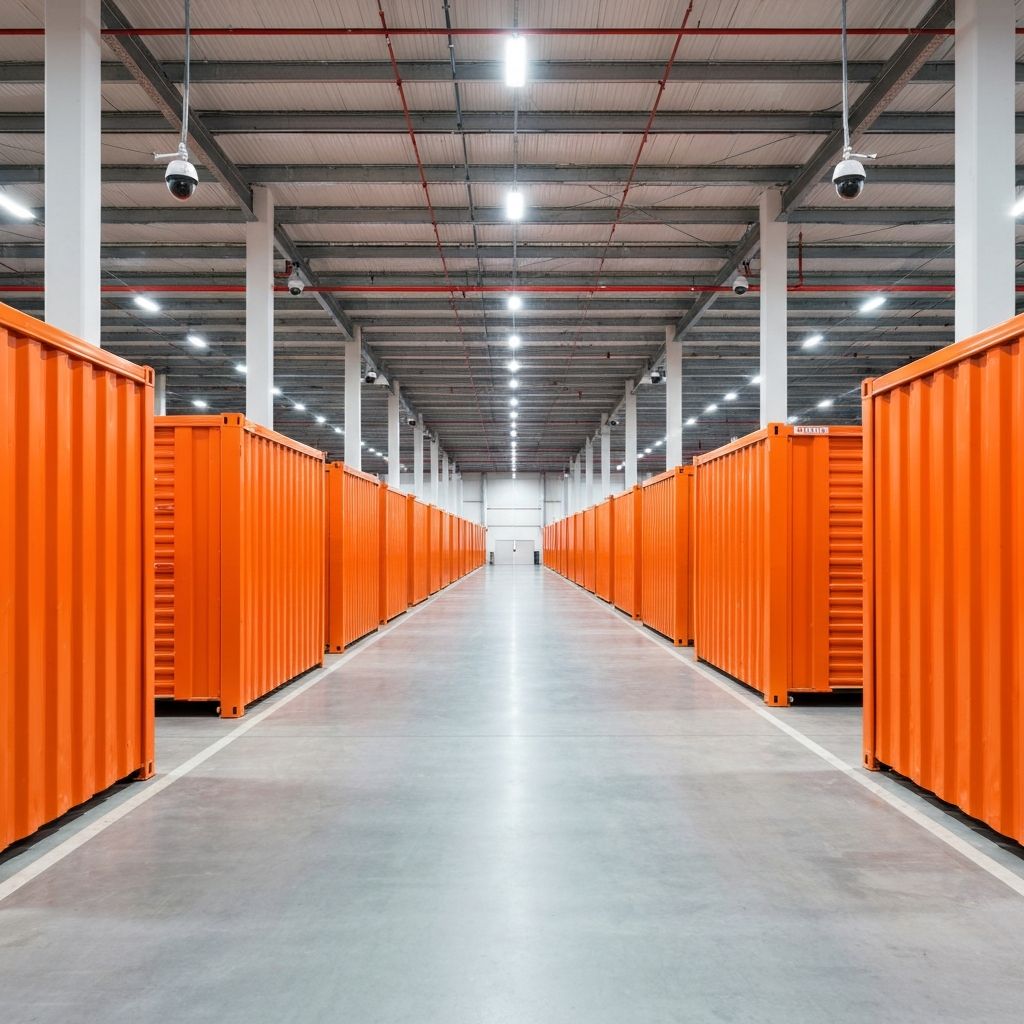
Different storage approaches offer varying levels of convenience, security, and cost. Traditional self-storage facilities provide 24/7 access but require transport and ongoing site visits. Mobile storage solutions deliver units to your door, allowing you to pack at your own pace.
| Storage Type | Best For | Access Level | Convenience Factor |
|---|---|---|---|
| Traditional facility | Frequent access needs | 24/7 availability | Requires transport |
| Mobile storage | Seasonal rotation | Scheduled access | Door-to-door service |
| On-site storage | Renovation projects | Immediate access | No transport needed |
Consider how often you’ll need access to stored items, whether you have transport available, and how long you’ll need the storage when evaluating options.
What the research shows about small home storage
Evidence-based storage strategies can make a significant difference in how your home functions and feels:
- Vertical storage solutions like wall-mounted shelves and cabinets effectively utilise unused space without impacting room flow
- Closed storage consistently creates a more spacious and relaxing feel compared to open shelving in small spaces
- Multifunctional furniture like daybeds and storage ottomans successfully combines seating and storage without compromising comfort
- The effectiveness of different furniture arrangements varies based on room size and layout – experts have different views on whether fewer large pieces or multiple smaller items work better
- Decluttering before implementing storage solutions creates more flexibility and better outcomes than adding storage alone
- Custom kitchen shelving addresses common space wastage in standard cabinets, though the optimal approach depends on your specific layout
What to do next for your small home storage needs
Improving storage in your small home works best as a gradual process that builds on what you learn about your space and habits. Start with decluttering and observation before investing in storage solutions.
Begin by spending a month noting which areas of your home accumulate clutter and which storage systems would address your most frequent frustrations. Focus on high-impact changes like utilising vertical space and choosing multifunctional furniture before moving on to more complex solutions.
For items you need to keep but don’t use regularly, consider external storage as part of your overall strategy. Mobile storage units can be particularly helpful during the decluttering process, providing space to sort through belongings without cluttering your living areas.
- Start with a realistic decluttering session focusing on obvious items you no longer need
- Observe your daily routines to identify the most problematic storage areas
- Prioritise vertical and closed storage solutions that reduce visual clutter
- Consider multifunctional furniture for high-impact changes
- Evaluate external storage for seasonal or occasional-use items
Remember that effective small home storage develops over time as you understand how you really use your space. The goal is creating a home that feels spacious and functional, not just organised.
Key takeaways for small home storage success
Storage transforms small homes by reducing visual clutter, maximising functional areas, and creating flexible spaces that adapt to your needs. The most effective approaches combine thoughtful decluttering with strategic storage choices rather than simply adding more storage capacity.
Focus on vertical and closed storage solutions that keep belongings hidden while utilising wall space effectively. Choose fewer, larger pieces of multifunctional furniture over many small items, and allow time to understand your space before implementing major changes.
External storage can provide valuable breathing room for seasonal items and belongings you need to keep but don’t access regularly. The key is creating a system that makes your daily life easier while maintaining the items that genuinely add value to your lifestyle.