
Living in an Australian apartment often means making the most of every square metre. Whether you’re renting in Sydney’s inner suburbs, downsizing to a Melbourne unit, or choosing apartment living for its convenience and location, limited space presents unique storage challenges that require thoughtful solutions.
Effective apartment storage combines smart use of existing space with strategic decisions about what to keep, what to store elsewhere, and what to let go entirely. The key lies in understanding how different storage approaches work together to create a functional, uncluttered home that feels spacious rather than cramped.
From maximising vertical space to choosing furniture that works harder, apartment storage success depends on matching the right solutions to your lifestyle, budget, and long-term living plans.
What makes apartment storage different
Apartment storage differs significantly from house storage due to structural limitations, shared facilities, and often temporary living arrangements. These constraints require more creative and flexible approaches than traditional storage methods.
Why space limitations create unique challenges
Most apartments feature limited built-in storage, with cupboards that don’t extend to ceiling height and rooms that serve multiple purposes. Unlike houses with dedicated storage rooms, basements, or large garages, apartments require every space to work efficiently.
Shared walls and rental agreements also limit modification options. Many storage solutions that work in houses, such as built-in shelving or permanent fixtures, aren’t feasible in rental apartments where alterations require approval or risk losing security deposits.
How lifestyle factors influence storage needs
Apartment dwellers often lead more transient lifestyles, moving between properties more frequently than homeowners. Research shows that renters move significantly more often than homeowners, with mobility patterns that favour flexible, adaptable storage solutions. This mobility means storage solutions need to be adaptable and removable, favouring systems that can be easily relocated.
Urban apartment living also tends to involve smaller, more curated possessions due to both space constraints and lifestyle preferences. Many apartment residents consciously choose minimalist approaches that prioritise experiences over material accumulation.
Which internal storage solutions work best
Maximising internal apartment storage involves strategic use of vertical space, multi-functional furniture, and flexible storage systems that adapt to your specific unit’s layout and limitations.
How multi-functional furniture transforms small spaces
Multi-functional furniture provides storage without consuming additional floor space, making it ideal for apartments where every square metre counts. Storage experts confirm that pieces like coffee tables with internal compartments, ottomans that open for storage, and beds with built-in drawers serve dual purposes without creating visual clutter.
- Storage beds with drawers underneath accommodate bedding, seasonal clothing, or rarely used items
- Coffee tables with lift-up tops or internal compartments hide remotes, magazines, and everyday items
- Dining tables with extensions or storage compartments maximise functionality in combined living areas
- Balcony furniture that doubles as storage containers for outdoor items or emergency supplies
What vertical storage options maximise height
Vertical storage makes use of often-ignored upper wall space, transforming apartments by drawing the eye upward and creating the illusion of height while providing practical storage capacity.
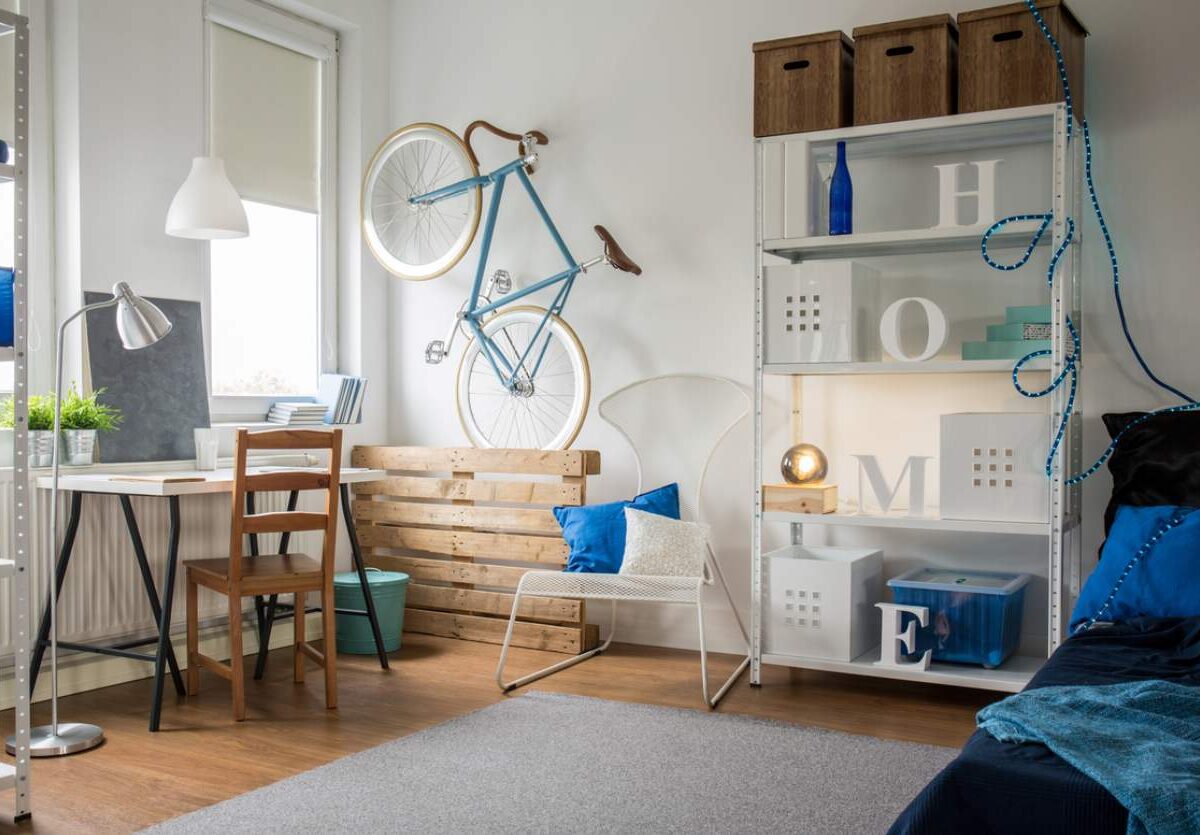
Floor-to-ceiling shelving systems utilise the full height of rooms, accommodating both daily-use items at eye level and less frequently accessed items above. Design research indicates that these systems eliminate wasted space above standard furniture by using 100% of available wall height. Wall-mounted shelves above doorways, windows, and furniture create additional storage without impeding movement through the space.
| Vertical Storage Type | Best For | Installation Requirements | Rental Suitability |
|---|---|---|---|
| Floor-to-ceiling shelving | Books, decorative items, everyday storage | Tension or bracket mounting | High – removable systems available |
| Over-door storage | Cleaning supplies, shoes, small items | Hook or bracket systems | High – minimal wall impact |
| Wall-mounted hooks | Bags, keys, lightweight items | Screws or adhesive mounting | Medium – depends on wall type |
| High shelf storage | Seasonal items, rarely used belongings | Bracket mounting to studs | Medium – requires careful installation |
“Keep frequently used items easily accessible at eye level and store rarely used belongings in higher, less convenient areas to maintain daily efficiency while maximising storage capacity.”
How flexible storage systems reduce wasted space
Customisable storage systems adapt to your apartment’s specific dimensions and changing needs, making full use of cupboard interiors and awkward spaces that fixed shelving often wastes. Industry studies show that these systems can be tailored to individual requirements and modified as lifestyles evolve.
Adjustable shelving systems allow you to modify compartment heights based on what you’re storing, eliminating the wasted vertical space that occurs with standard fixed shelves. Under-bench slide-out containers and drawer organisers make deep cupboards more accessible and functional.
- Modular shelving that adjusts to different ceiling heights and room configurations
- Drawer dividers and organisers that maximise small storage areas
- Expandable wardrobe systems that adapt to different closet sizes
- Stackable containers that reconfigure based on changing storage needs
How does decluttering support apartment storage
Effective apartment storage begins with conscious decisions about what to keep, what to store elsewhere, and what to remove entirely. Storage professionals emphasise that decluttering isn’t just about tidiness – it’s about making limited space work efficiently for your actual lifestyle.
What items should you prioritise keeping
Apartment living requires prioritising items that serve multiple purposes or bring genuine value to your daily life. Focus on keeping belongings that you use regularly, have strong sentimental value, or would be expensive and difficult to replace.
Kitchen equipment provides a clear example of prioritisation in action. Rather than keeping every possible cooking gadget, successful apartment dwellers focus on versatile tools that handle multiple cooking tasks and store efficiently.
When does external storage make sense
External storage becomes valuable when you need to keep items that don’t fit comfortably in your apartment but aren’t ready to dispose of permanently. This includes seasonal items, sentimental belongings, or possessions you’ll need when moving to a larger space.
The decision often comes down to balancing storage costs against the value of maintaining a comfortable, uncluttered living environment. Items stored externally should justify their storage expense through either practical necessity or significant emotional importance.
What external storage options support apartment living
External storage solutions provide apartment residents with flexible ways to maintain belongings that don’t fit comfortably in limited living space, offering alternatives that range from traditional self-storage to more convenient mobile options.
How traditional self-storage works for apartments
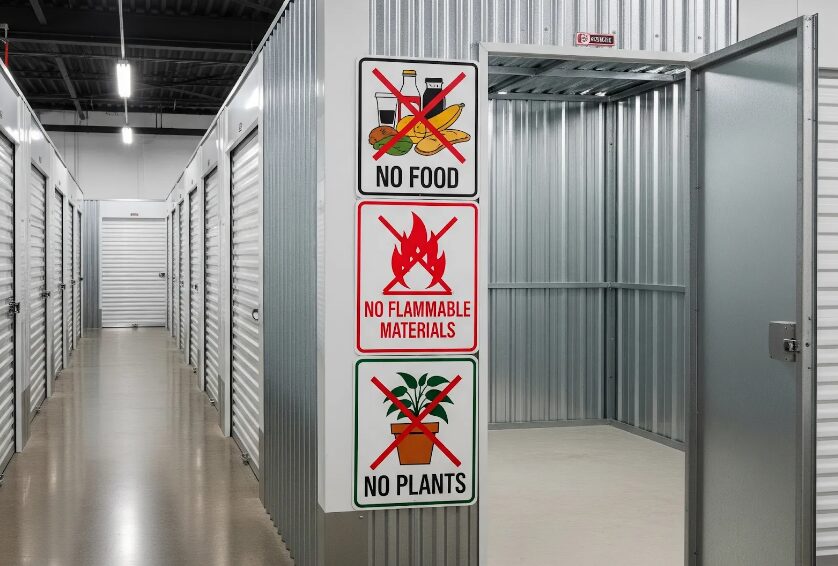
Traditional self-storage facilities offer apartment dwellers access to additional space for belongings that won’t fit in their unit. These facilities typically require visits to the storage location when you need to access items, making them suitable for long-term storage of seasonal or rarely used possessions.
The main considerations for apartment dwellers include transport logistics, since many apartment residents don’t have large vehicles for moving items to and from storage facilities. Access hours and security measures also matter when choosing between different facilities.
Why mobile storage appeals to urban residents
Mobile storage solutions address many of the logistical challenges that apartment dwellers face with traditional storage. Research demonstrates that these services deliver storage containers directly to your location, allowing you to pack at your own pace before the unit is collected and stored securely off-site.
This approach eliminates the need for transport arrangements and repeated trips to storage facilities, making it particularly appealing for apartment residents who rely on public transport or don’t own suitable vehicles for moving large items.
- Door-to-door delivery eliminates transport logistics
- Pack at your own pace without time pressure from truck rentals
- No need for repeated site visits to access stored items
- Professional handling of heavy or awkward items during collection
How do you plan effective apartment storage
Planning apartment storage successfully requires understanding your specific space constraints, lifestyle needs, and budget limitations while creating systems that can adapt as your circumstances change.
What should you assess before choosing solutions
Start by cataloguing your current storage challenges and identifying which areas of your apartment feel most cluttered or dysfunctional. Take measurements of available spaces and note any structural limitations such as low ceilings or awkward corners.
Consider your lifestyle patterns and how you actually use your space. Items you access daily need different storage solutions than seasonal belongings or emergency supplies. Your storage plan should reflect these usage patterns rather than just maximising capacity.
How do you balance cost and convenience
Effective apartment storage balances the immediate costs of storage solutions against long-term benefits such as reduced stress, easier cleaning, and improved quality of life in your living space.
Internal storage solutions typically require higher upfront investment but provide ongoing convenience and immediate access. Industry data shows that external storage involves ongoing monthly costs but can significantly improve your apartment’s livability by removing excess belongings.
| Storage Approach | Upfront Cost | Ongoing Cost | Access Convenience | Best For |
|---|---|---|---|---|
| Multi-functional furniture | Medium to high | None | Immediate | Daily-use items, space efficiency |
| Vertical storage systems | Low to medium | None | Immediate | Books, decorative items, supplies |
| Traditional self-storage | Low | Medium | Limited | Long-term storage, large items |
| Mobile storage | Low | Medium | Scheduled | Seasonal items, flexible needs |
What should you consider for different apartment types
Different apartment configurations present unique storage opportunities and challenges that influence which solutions work most effectively for your specific living situation.
How studio apartments require different approaches
Studio apartments demand storage solutions that maintain visual separation between living areas without creating physical barriers. Storage furniture that defines spaces while providing function helps create the illusion of separate rooms.
Vertical storage becomes even more critical in studios since floor space must serve multiple purposes. Space planning research confirms that wall-mounted solutions and ceiling-high storage keep belongings organised without impeding the apartment’s flow.
Why one-bedroom units offer more flexibility
One-bedroom apartments provide dedicated bedroom space that can accommodate larger storage furniture without compromising living areas. This separation allows for different storage strategies in each area based on their specific functions.
The bedroom can house seasonal clothing storage, while living areas focus on daily-use items and entertainment-related belongings. This functional separation makes storage planning more straightforward than studio arrangements.
What the research says about apartment storage
Understanding what works best for apartment storage helps you make informed decisions about your living space organisation and external storage needs.
- Multi-functional furniture consistently proves most effective for maximising limited floor space without compromising functionality
- Vertical storage solutions can increase usable storage capacity by up to 100% when utilising full wall height rather than standard furniture heights
- Mobile storage eliminates transport barriers that make traditional facilities less convenient for urban apartment dwellers
- Evidence on optimal storage placement strategies is still emerging, with experts having different views on the best approaches for different apartment layouts
- Customisable systems show the strongest adaptability to changing needs, though the evidence on long-term effectiveness compared to fixed solutions remains mixed
How can Smartbox support your apartment storage needs
When apartment storage reaches its limits, external solutions provide the breathing room needed to maintain comfortable living without sacrificing belongings that matter to you. The key lies in choosing storage that works with your urban lifestyle rather than complicating it.
Many apartment residents find that mobile self-storage solutions address the logistical challenges of traditional storage while providing the flexibility that apartment living demands. This approach eliminates transport concerns and repeated facility visits.
For residents focused on downsizing or decluttering, external storage provides a middle ground between keeping everything and disposing of belongings permanently. This flexibility supports thoughtful decision-making about possessions over time.
“Mobile storage works particularly well for apartment dwellers because it removes the transport barriers that make traditional storage facilities less convenient for urban residents without large vehicles.”
Understanding how mobile self-storage can improve your home life helps apartment residents see beyond simple storage to the lifestyle benefits of maintaining uncluttered, functional living spaces.
What steps should you take next
Start by implementing internal storage improvements that provide immediate benefits – multi-functional furniture and vertical storage solutions often deliver the biggest impact for apartment living. Focus on one area at a time rather than attempting to reorganise everything simultaneously.
For belongings that don’t fit comfortably in your improved apartment storage, consider external options that match your access needs and budget. Self-storage solutions work well when you need occasional access, while mobile storage suits longer-term storage of seasonal or transitional items.
Key takeaways for apartment storage success
Successful apartment storage combines strategic internal organisation with realistic external storage decisions. The goal isn’t to fit everything into your apartment but to maintain a comfortable, functional living environment that supports your lifestyle.
Multi-functional furniture and vertical storage provide the foundation for apartment storage, making use of limited space efficiently. Flexible storage systems that adapt to your changing needs prevent wasted space and support long-term organisation.
External storage becomes valuable when internal solutions reach their practical limits. Choose external storage based on your access needs, transport capabilities, and budget considerations, recognising that the right storage investment supports a better quality of life in your apartment.