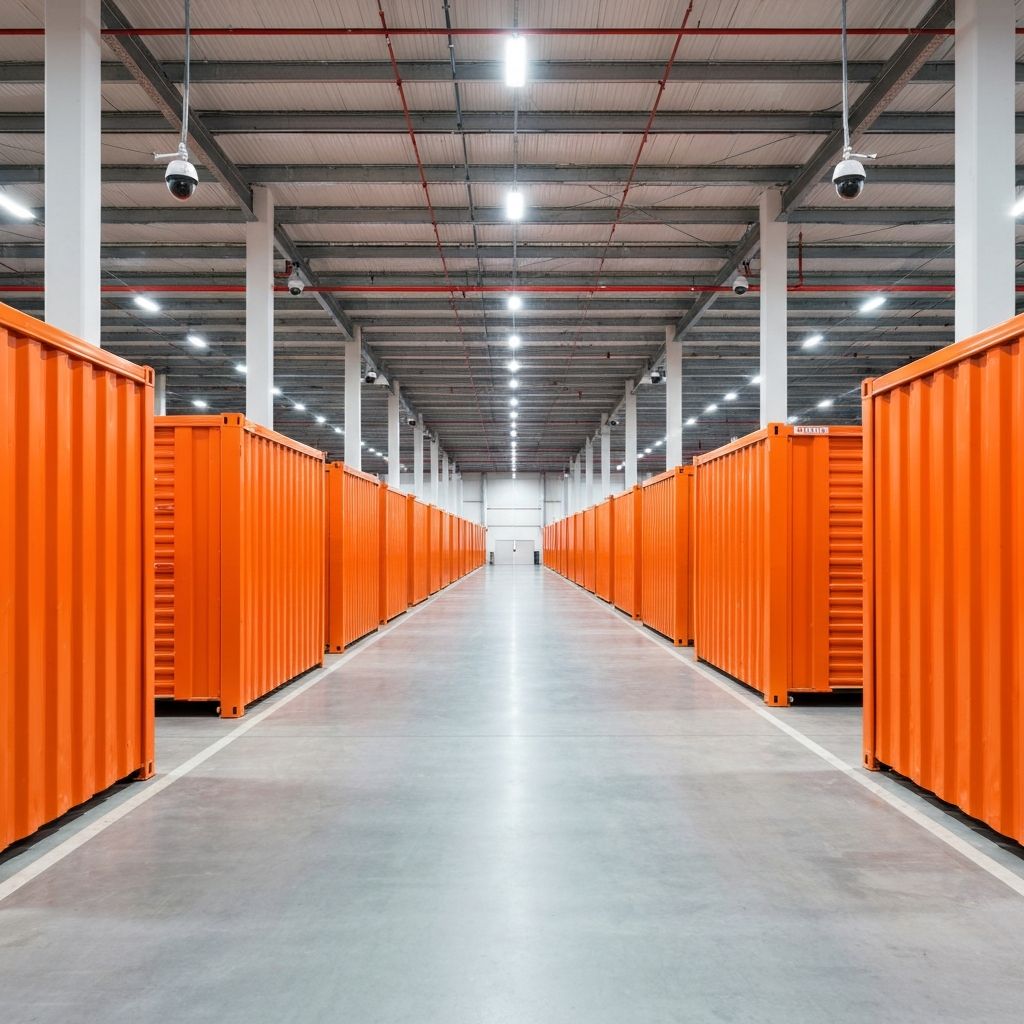


Storage used to be something you reluctantly considered during a move or crisis. Today, lifestyle storage represents a fundamental shift in how Australians think about their living spaces and possessions. Rather than viewing storage as a last resort, many people now integrate it deliberately into their home management strategy.
This transformation reflects broader changes in Australian living patterns, from smaller urban apartments to flexible work arrangements. The concept of lifestyle storage encompasses everything from seasonal rotation systems to intentional downsizing support, helping people create more functional and enjoyable living environments.
Understanding this trend requires looking at both the benefits and potential pitfalls of making storage a regular part of your lifestyle planning.
What makes storage a lifestyle choice rather than emergency solution
Traditional storage typically emerged from immediate needs such as moving house, relationship changes, or unexpected circumstances. Lifestyle storage operates differently, becoming an intentional tool for enhancing daily life and managing space more effectively.
How intentional storage use differs from crisis management
The key difference lies in planning and purpose. People choosing lifestyle storage often have specific goals such as seasonal rotation, hobby management, or gradual downsizing support. They view their storage unit as an extension of their home rather than a place to dump unwanted items.
Research suggests that effective lifestyle storage requires treating the space as you would any other area of your home, with regular reviews and clear organisation systems. This approach can deliver genuine value when implemented thoughtfully, though success depends on active management rather than passive accumulation.
However, without proper planning, even well-intentioned storage can become expensive holding areas for items you rarely revisit or need. The monthly costs can quickly exceed the replacement value of stored items, particularly for everyday household goods, though the evidence is still emerging on exactly how often this occurs in practice.
Which life situations drive the shift toward lifestyle storage
Several common scenarios push Australians toward viewing storage as a lifestyle enhancement rather than temporary necessity. Understanding these patterns helps you evaluate whether this approach might work for your situation.
Urban living and space optimisation
High-density living in major Australian cities often means compromising on storage space. Many residents find that external storage costs less than equivalent apartment square footage, making it economically sensible for managing seasonal items or bulky possessions, though we don’t yet have complete data comparing storage costs to apartment rental rates across all Australian markets.
This calculation works particularly well for items you need occasionally but don’t want to replace repeatedly, such as camping gear, holiday decorations, or seasonal clothing. The key is ensuring your storage costs remain significantly below what additional living space would cost.
Relationship and living arrangement changes
Moving in with a partner often creates immediate space challenges. Research shows that storage can provide emotional relief during these transitions, protecting sentimental items while you negotiate shared living arrangements and make gradual decisions about possessions.
This approach works best when you set clear timelines for reviewing stored items and making final decisions. Without these boundaries, storage can simply delay necessary conversations about space and belongings.
| Life Situation | Storage Benefit | Potential Pitfall | Success Factor |
|---|---|---|---|
| Urban downsizing | Preserve important belongings | Storage costs outweigh space savings | Review value versus cost regularly |
| Relationship transition | Creates breathing room during change | Avoids making necessary decisions | Define a clear decision timeline |
| Seasonal living | Simplifies rotating seasonal possessions | Limited access reduces usefulness | Choose a convenient storage location |
| Hobby management | Frees up space for daily living | Reduces spontaneous engagement | Ensure easy and regular access |
How seasonal rotation makes storage more practical
One of the most successful applications of lifestyle storage involves seasonal rotation of clothing, sports equipment, and home decorations. Studies have found that this approach maximises your living space while keeping valued possessions accessible when needed.
What items work best for seasonal storage
Seasonal storage works most effectively for items with clear usage patterns and sufficient bulk to justify the effort. Industry guidelines indicate that winter clothing, holiday decorations, camping equipment, and sports gear often fall into this category.
- Clothing for opposite seasons, particularly bulky winter items
- Holiday and celebration decorations used once or twice yearly
- Seasonal sports equipment such as ski gear or beach accessories
- Garden furniture and outdoor entertaining items
- Air conditioning units, heaters, and seasonal appliances
The rotation system requires some planning but can dramatically improve your daily living environment. Many people find their homes feel more spacious and organised when they’re not accommodating items for every possible season simultaneously.
“Using storage seasonally transformed how we think about our wardrobe and home space. Instead of cramming everything into cupboards year-round, we can actually enjoy the items we’re currently using and access stored items when the season changes.”
What are the real costs and benefits of lifestyle storage
Making an informed decision about lifestyle storage requires honest assessment of both financial and practical impacts. The equation differs significantly depending on your location, storage needs, and usage patterns.
How to calculate true storage value
Beyond monthly rental costs, factor in access time, transport expenses, and opportunity costs of maintaining stored items. In some cases, replacing items seasonally might cost less than storing them, particularly for rapidly changing technology or fashion items.
Evidence shows that items remaining untouched for extended periods often indicate emotional attachment rather than practical value. Consider whether stored items genuinely enhance your lifestyle or simply delay decluttering decisions.
Location matters significantly for lifestyle storage success. Units requiring lengthy travel times can discourage regular access, reducing the practical benefits and making spontaneous retrieval difficult for hobbies or seasonal needs, though experts have different views on exactly how much travel time affects usage patterns.
When storage becomes counterproductive
Storage can inadvertently discourage the natural editing process that comes with limited space. When you can always store something rather than deciding whether to keep it, you may miss opportunities to refine your possessions and living approach.
This is particularly relevant for items related to hobbies or interests that change over time. Research suggests that poorly organised or hard-to-access storage can preserve possessions for activities you no longer enjoy, creating ongoing costs without corresponding lifestyle benefits.
How to implement lifestyle storage successfully
Success with lifestyle storage requires treating it as an active part of your home management system rather than a passive holding area. This means establishing clear systems and regular review processes.
What systems support effective storage use
Effective lifestyle storage resembles good home organisation, with clear categorisation, easy identification, and regular maintenance. Items should be packed and labelled for easy retrieval, and you should maintain an inventory of stored possessions.
- Create detailed inventory lists with dates items were stored
- Photograph valuable items and their storage locations
- Use clear, well-sealed containers with descriptive labels
- Establish regular review schedules for reassessing stored items
- Choose storage locations that balance cost with convenient access
Consider starting with a trial period to test whether lifestyle storage genuinely improves your living situation. Six to twelve months provides enough time to experience seasonal cycles while avoiding long-term commitments before you understand your usage patterns.
How to avoid common lifestyle storage mistakes
The most common mistake involves treating storage as indefinite holding rather than active space management. Without regular review and clear purposes, storage units can accumulate items that provide little ongoing value.
Another frequent issue involves storing items that discourage engagement with activities you enjoy. If your storage unit contains hobby supplies or seasonal gear that becomes difficult to access, you may find yourself participating less in activities that previously brought satisfaction.
What to consider when choosing lifestyle storage options
Different storage approaches suit different lifestyle goals and practical requirements. Understanding your options helps you select an approach that genuinely supports your living situation rather than creating additional complexity.
How mobile storage supports lifestyle flexibility
Mobile storage solutions can be particularly effective for lifestyle applications because they reduce access barriers and transport requirements. When storage comes to your location, seasonal rotation becomes more practical and less time-consuming.
This approach works especially well for planned transitions such as renovations, seasonal changes, or gradual downsizing processes. You can pack at your own pace and schedule pickup when convenient, reducing the stress often associated with traditional storage logistics.
The ability to have storage delivered to your location also supports better organisation, as you can sort and pack items in comfortable, well-lit conditions rather than rushing to fill a unit during a brief rental truck window.
When traditional self storage makes more sense
Traditional self storage facilities work better when you need regular, unpredictable access to stored items. If your lifestyle storage involves frequently rotating items or accessing supplies for active hobbies, having a permanent location you can visit anytime provides more flexibility.
Consider your access patterns realistically. Items you need monthly or seasonally at specific times might work well with mobile storage, while supplies for spontaneous activities often require more immediate availability.
What the research says about lifestyle storage
Understanding the evidence behind lifestyle storage helps you make informed decisions about whether this approach suits your situation:
- Seasonal rotation delivers space benefits: Multiple studies confirm that rotating seasonal items like clothing and garden furniture effectively maximises living space while maintaining access to valued possessions.
- Emotional support during transitions: Research consistently shows that storage provides genuine emotional relief during relationship changes and life transitions by reducing decision pressure and protecting sentimental items.
- Organisation systems matter: Evidence suggests that well-organised storage with clear labelling and accessible layouts supports continued engagement with stored items and hobbies.
- Cost considerations vary: The evidence is still emerging on exactly how storage costs compare to replacement values across different item categories, making individual cost-benefit analysis important.
- Access patterns affect success: While convenience clearly matters, experts have different views on how much travel time or access barriers actually reduce storage effectiveness in practice.
How to get started with lifestyle storage
Beginning with lifestyle storage requires careful planning and realistic expectations. Start small and scale up based on actual experience rather than assumptions about what you’ll need or use.
Identify specific lifestyle improvements you want to achieve through storage, such as seasonal clothing rotation, hobby space optimisation, or transition support during living arrangement changes. Clear goals help you evaluate whether the approach delivers promised benefits.
Consider beginning with a short-term arrangement to test your usage patterns and space requirements. Many people overestimate how much they’ll access stored items or underestimate the practical barriers to regular retrieval.
Taking the next step toward intentional storage
Lifestyle storage represents a significant shift from crisis-driven storage decisions toward intentional space management. Success requires honest assessment of your needs, realistic expectations about costs and access patterns, and commitment to active management rather than passive accumulation.
The approach works best when you have specific goals for improving your living situation and clear plans for reviewing and rotating stored items. Without these elements, storage can become an expensive way to delay necessary decisions about possessions and space.
Consider starting with a trial period focused on one specific application, such as seasonal rotation or transition support. This allows you to understand your actual usage patterns and determine whether lifestyle storage genuinely enhances your living situation or simply creates additional complexity and expense.