
Understanding when short-term storage is your best option
Deciding whether to rent short term storage can feel overwhelming, especially when you’re already dealing with a house move, renovation, or major life change. The good news is that temporary storage solutions work brilliantly for specific situations, but knowing when they make financial and practical sense can save you both money and stress.
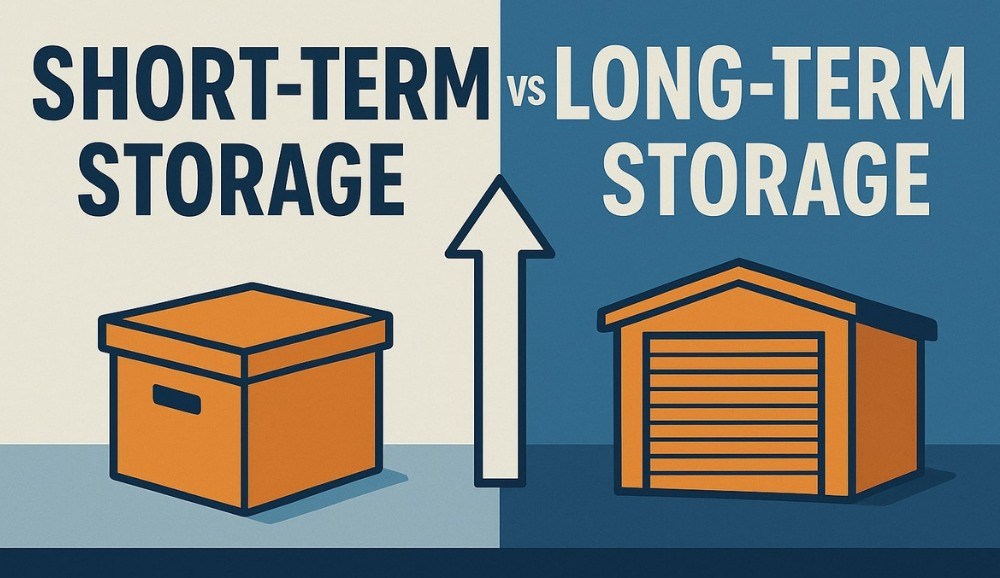
Short-term storage typically refers to rental periods from one week up to 12 months. Research suggests these flexible arrangements let you adapt as your circumstances change without being locked into contracts that no longer suit your needs.
The key to making smart storage decisions lies in understanding your specific situation, timeline, and what alternatives you’re comparing against. Whether you’re weighing up a bigger rental property, considering selling belongings, or trying to manage a temporary space crunch, short-term storage often provides the breathing room you need to make better long-term choices.
What situations benefit most from temporary storage
Moving between properties
The most common scenario for short-term storage is bridging the gap between old and new homes. Settlement delays, lease overlaps, or renovation work at your new place can leave you without adequate space for several weeks or months. Industry data shows that 42% of self-storage renters use units while switching homes, making this one of the most recognised applications for temporary storage.
Rather than rushing to find a larger intermediate rental or cramming everything into temporary accommodation, storage units let you move at your own pace. This is particularly valuable in Australia’s competitive rental markets, where holding onto a good property while searching for your next home can be more cost-effective than starting fresh.
Home renovations and decluttering projects
Renovations create chaos, and protecting your belongings from dust, paint, and construction damage is essential. Studies have found that short-term storage effectively protects belongings from renovation hazards by providing a secure, controlled environment away from construction sites.
Many people also use temporary storage as a decluttering tool. By removing items from your daily environment, you gain perspective on what you actually need and use. This breathing space often makes it easier to make thoughtful decisions about what to keep, donate, or sell without feeling rushed or overwhelmed.
Seasonal and lifestyle transitions
Life changes such as downsizing, combining households, or managing an estate can create temporary storage needs. You might need time to sort through inherited items, coordinate with family members, or gradually integrate belongings from two homes.
Similarly, seasonal workers, students, or people taking extended travel breaks often find short-term storage more practical than maintaining a full rental property they won’t occupy.
How short-term storage compares to alternatives
| Option | Best For | Cost Range | Access Level | Flexibility |
|---|---|---|---|---|
| Mobile storage | Moving, renovation | $150–400 per month | On-demand delivery | Very high |
| Self-storage facility | Regular access needed | $80–300 per month | Daily access hours | Medium |
| Larger rental property | Permanent solution | $200–800+ extra per month | Full access | Low |
| Selling or donating | Permanent decluttering | Potential income | Not applicable | None |
When storage beats upsizing your living space
In expensive housing markets, storage can be significantly cheaper than renting a larger property. Research shows that swapping 100 square feet of apartment space for storage can yield substantial savings in major markets, as apartment rents per square foot typically exceed storage rates.
This approach works particularly well when you have items that bring value to your life but don’t need daily access. Think seasonal sports equipment, hobby supplies, sentimental items, or furniture you’re keeping for a future home.
The financial reality check
Storage makes sense when the monthly cost is substantially less than your alternatives. Industry analysis confirms that storage is most cost-effective when monthly rates are lower than alternatives like portable containers or larger rental properties.
However, it’s important to be realistic about timeframes. If you’re likely to need storage for over a year, the cumulative costs might approach what you’d pay for a larger rental. Evidence shows that costs can add up significantly over time, making it important to factor in transport to and from the facility, any items you might need to replace because they’re in storage, and opportunity costs of time spent managing stored belongings.
What types of items work best in short-term storage
Items you know you’ll need again
Short-term storage works best for belongings you’re confident about keeping. Research indicates that seasonal items and furniture for future moves are ideal matches for temporary storage due to their predictable use patterns.
- Furniture for a future home or larger space
- Seasonal equipment and decorations
- Important documents and keepsakes
- Electronics and appliances in good condition
- Clothes for different climates or life stages
What to avoid storing short-term
Resist the temptation to store items you’re unsure about. While experts have different views on this approach, many in the industry suggest that “maybe I’ll need this someday” thinking can turn storage into expensive procrastination. If you haven’t used something in over a year and can’t identify a specific future need, it’s usually better to donate or sell.
- Broken items you haven’t fixed in months
- Clothes that no longer fit or suit your lifestyle
- Duplicates of items you already have access to
- Outdated technology or reference materials
- Items with purely sentimental value that you never actually look at
“Storage should support your life goals, not become a holding pattern for indecision. The most successful short-term storage users have clear timelines and specific plans for when and why they’ll retrieve their belongings.”
How to decide if short-term storage is right for you
Ask yourself these key questions
Before committing to storage, work through these decision points honestly. They’ll help you determine whether storage genuinely solves your problem or just delays dealing with it.
- Do I have a specific timeline for when I’ll need these items again?
- Is the monthly storage cost less than my other options?
- Can I clearly explain why each stored item is worth keeping?
- Will I realistically have more space for these belongings in my known future?
- Are there items I could replace cheaply if needed instead of storing?
Setting boundaries to avoid storage creep
Successful short-term storage users typically set clear rules about what goes into storage. Having firm boundaries prevents the unit from becoming a dumping ground for items you can’t decide about.
Some effective approaches include only storing items you’ve used in the past year, setting a firm retrieval deadline, or limiting storage to specific categories like furniture or seasonal items. The key is choosing boundaries that align with your lifestyle and sticking to them.
Planning your exit strategy
The most important part of short-term storage is knowing when and how you’ll end it. Industry evidence shows that having a clear endpoint prevents storage from becoming a long-term expense due to higher monthly rates for short-term arrangements. Whether that’s moving into a larger space, completing your renovation, or making final decisions about belongings, having a clear endpoint prevents storage from drifting into an expensive long-term commitment.
Build regular review points into your timeline. Every few months, reassess whether your storage arrangement still makes sense or if circumstances have changed enough to warrant a different approach.
Making short-term storage work practically
Choosing the right storage type
Different storage options suit different needs. Traditional self-storage facilities work well if you need regular access and have reliable transport. Mobile storage services excel for one-time moves or renovations where convenience outweighs cost.
Consider factors like how often you’ll need access, whether you have a vehicle suitable for transport, and your tolerance for managing logistics yourself. Climate control becomes important for electronics, documents, or items sensitive to temperature and humidity changes. Research consistently shows that climate-controlled storage is essential for protecting sensitive items from environmental damage.
Maximising value from your storage investment
To get the most from short-term storage, pack efficiently and organise thoughtfully. Use uniform box sizes when possible, fill gaps with soft items, and protect fragile belongings adequately.
Take advantage of the breathing space storage provides to make quality decisions about your belongings. Use the time to research better storage solutions for items you decide to keep, or to properly sell or donate things you no longer need.
Common mistakes to avoid
- Storing items without clear future plans for them
- Choosing storage based on monthly cost alone without considering access needs
- Failing to check on stored items periodically
- Using storage to avoid making decisions about belongings
- Not factoring in the total cost of transport and time
What the evidence shows about short-term storage
Research from the storage industry reveals several key insights about when short-term storage works best:
- Timing matters: Short-term storage is most effective when aligned with specific events like moves or renovations, with clear start and end dates
- Cost comparison is crucial: Monthly storage rates should be substantially lower than alternatives to remain cost-effective over time
- Flexibility has value: Month-to-month arrangements provide genuine advantages during life transitions, allowing adaptation as circumstances change
- Not all items suit storage: The evidence is still emerging on optimal decision-making approaches, but seasonal and temporary-need items consistently perform better than uncertain belongings
- Climate considerations vary: While experts agree on protecting sensitive items, not all studies agree on the necessity of climate control for every situation
What to do next
Start by being honest about your timeline and specific storage needs. Calculate the real costs of storage versus your alternatives, including any transport, time, and opportunity costs involved.
If short-term storage makes sense for your situation, focus on solutions that match your access needs and budget. Mobile storage works well for moves and renovations, while traditional facilities suit ongoing access requirements.
Remember that the goal of short-term storage is supporting your transition to a better long-term situation. Whether that’s a new home, completed renovation, or simplified lifestyle, keep your end goal in mind to ensure storage remains a helpful tool rather than becoming a problem itself.
Key takeaways
Short-term storage makes the most sense when you have a clear timeline, specific future need for your belongings, and when storage costs less than your alternatives. It works brilliantly for transitions like moving, renovating, or decluttering, but requires honest assessment of what you truly need to keep.
The most successful approach involves setting clear boundaries about what you store, planning regular reviews of your stored items, and maintaining a firm timeline for when you’ll retrieve your belongings or make final decisions about them.
By treating storage as a tool to support your life goals rather than a way to avoid making decisions, you can use short-term storage effectively to navigate transitions while keeping costs reasonable and stress levels manageable.