

Choosing the right storage solution for your small business can make a significant difference to your operational efficiency and bottom line. Whether you’re running an online store from home, managing seasonal inventory, or looking to expand without committing to expensive premises, understanding the practical differences between self storage vs warehousing will help you make an informed decision.
Self storage typically offers individual units that you access independently, while warehousing usually involves shared facilities with additional services like logistics support. Research from industry providers shows that for most small businesses, the choice comes down to factors such as access requirements, budget constraints, power needs, and how much control you want over your inventory.
This comparison will walk you through the real-world differences, helping you weigh up convenience, costs, and operational requirements based on your specific business needs.
What Are the Main Differences Between Self Storage and Warehousing
The fundamental distinction lies in how these storage solutions are designed and operated. Self storage facilities focus on providing secure, accessible units that individuals and small businesses can manage independently. Studies from storage industry providers confirm that you receive your own key or access code, pack and organise the space as needed, and typically have 24-hour access to your belongings.
How Does Self Storage Work for Business Use
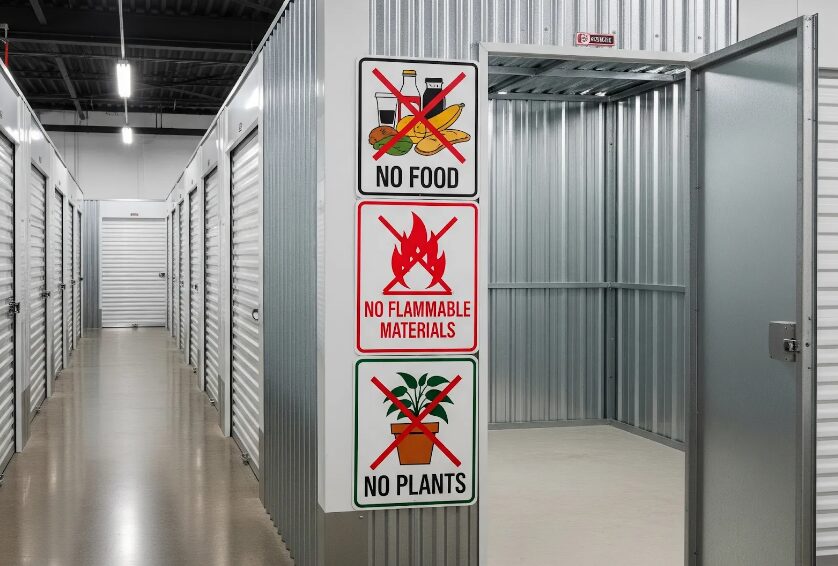
Self storage units function like a private room or garage that you rent monthly. You’re responsible for loading, organising, and retrieving items yourself. Most facilities offer drive-up access, making it easier to move stock in and out using a ute or van. Security typically includes CCTV monitoring, controlled access gates, and individual unit locks.
However, traditional self storage units rarely include electricity or other utilities. Industry standards show this limitation affects businesses that need to process orders, run equipment, or work from their storage space for extended periods, as most standard units don’t provide power due to zoning restrictions and operational complexity.
How Does Warehousing Differ in Practice
Warehousing involves larger facilities designed for commercial operations. These spaces often include loading docks, higher ceilings, and utilities as standard features, though evidence shows that climate control varies by facility and isn’t universally standard. Some warehouse providers also offer additional services such as inventory management, order fulfilment, or logistics coordination, particularly in shared warehousing arrangements.
The trade-off is usually higher costs, longer lease commitments, and less flexibility in terms of space size and contract terms. Warehouses are designed for businesses with consistent, higher-volume storage needs rather than flexible or seasonal requirements.
Which Storage Option Suits Different Business Types
Your business model and operational requirements will largely determine which storage solution makes practical sense. Consider how often you need access, what equipment you’ll be using, and how your storage needs might change over time.
When Does Self Storage Work Best for Small Businesses
Self storage typically suits businesses with straightforward storage needs and minimal on-site operational requirements. Storage industry research confirms that online retailers storing packaged inventory, service businesses keeping equipment and supplies, or seasonal operations work well with this model.
- Businesses with predictable access patterns (daily or weekly retrieval)
- Operations that can handle packaging and processing elsewhere
- Start-ups wanting to test demand before committing to larger premises
- Seasonal businesses needing flexible storage during peak periods
- Home-based businesses managing overflow inventory
💡 Tip – Power Solutions for Self Storage
If you only need power for light tasks like running a laptop, label printer, and basic lighting, portable battery stations can provide several hours of operation without requiring permanent electrical installation.
When Does Warehousing Make More Sense
Warehousing becomes necessary when your business needs consistent utilities, larger workspace, or integrated logistics support. This usually applies to operations with higher inventory turnover or more complex operational requirements, particularly for high-volume order processing and climate-sensitive products.
- Businesses needing regular electrical power for equipment
- Operations requiring climate-controlled environments
- Companies with high-volume order processing needs
- Businesses wanting integrated logistics or fulfilment services
- Operations needing loading dock access for larger deliveries
| Business Requirement | Self Storage Suitability | Warehousing Suitability |
|---|---|---|
| Low-power equipment (laptop, printer) | Good with battery station | Excellent with utilities |
| Climate-sensitive products | Limited options available | Standard feature |
| Frequent access (daily) | Very good with 24-hour access | Good during business hours |
| Large vehicle access | Good with drive-up units | Excellent with loading docks |
| Flexible lease terms | Excellent (month-to-month) | Limited (annual contracts) |
What Are the Real Costs and Practical Considerations
Understanding the full cost picture helps avoid surprises and ensures your storage solution fits within your business budget. Beyond the base rental, consider access requirements, insurance, and any additional services you might need.
How Do Self Storage Costs Compare to Warehousing
Self storage typically offers lower entry costs and more predictable pricing. Industry analysis shows that most facilities charge a straightforward monthly rate with minimal additional fees, avoiding the complex triple net leases that affect warehousing costs. You’ll usually pay for insurance separately, and some locations charge small administration fees for access cards or locks.
Warehousing costs vary significantly based on location, services included, and lease length. While the per-square-metre rate might be lower than self storage, minimum space requirements and additional service fees can push total costs higher, especially for smaller operations.
“Small businesses often find self storage provides the right balance of security, access, and affordability while they’re establishing their operational requirements and growth patterns.”
What Hidden Costs Should You Consider
Both storage options can involve costs beyond the basic rental rate. For self storage, factor in travel time and vehicle costs for regular access, especially if the facility is distant from your business location. You might also need additional equipment such as shelving, security systems, or portable power solutions.
Warehousing often includes utilities and services in the base rate, but may require longer-term commitments, security deposits, and specific insurance coverage. Some facilities also charge for services like after-hours access or additional loading dock time.
- Travel costs for regular inventory access
- Additional security or monitoring systems
- Insurance coverage specific to business inventory
- Portable power stations or equipment rental
- Vehicle hire for moving larger items
💡 Tip – Budget for Access Time
Include travel time and fuel costs in your storage budget calculations. A facility that’s 30 minutes away might save money upfront but cost more in operational time over the year.
How Do Access and Operational Flexibility Compare
Your storage solution needs to fit your working patterns and business growth plans. Consider how often you need access, what times of day you typically work, and how your requirements might change as your business develops.
What Access Options Work Best for Different Business Models
Self storage facilities typically offer 24-hour access through electronic gates and individual unit access codes. This flexibility suits businesses with varied schedules or those operating outside standard business hours. You can access your inventory early in the morning, late at night, or on weekends without coordinating with facility staff.
Traditional warehousing may restrict access to business hours or require advance notice for extended access. Industry guidance shows that this contrasts with self storage’s emphasis on flexibility for frequent visits. However, some modern commercial storage providers offer flexible access arrangements specifically designed for small business users.
How Can You Work Around Power Limitations in Self Storage
Many small businesses successfully operate from self storage units despite the lack of permanent electrical connections. Storage experts recommend portable battery stations that can power laptops, label printers, and LED lighting for several hours of work. These solutions work particularly well for operations that only need power occasionally or for light equipment.
For businesses requiring more consistent power access, some newer storage facilities offer units with electrical connections, though these typically cost more and may have usage restrictions. Alternatively, working from a vehicle parked near a drive-up unit can provide power through 12-volt inverters while maintaining easy inventory access.
💡 Tip – Vehicle Power Solution
If you have a drive-up storage unit, working from your vehicle with a power inverter can provide electricity for equipment while keeping you close to your inventory. This works well for order processing and basic administrative tasks.
What Alternative Storage Solutions Should Small Businesses Consider
The storage landscape includes options beyond traditional self storage and large-scale warehousing. Understanding these alternatives can help you find a solution that better matches your specific operational requirements and budget.
How Do Specialised Business Storage Providers Work
Several companies now offer storage solutions specifically designed for small business use. These providers typically offer flexible commercial spaces with utilities included, designed for businesses that need more than basic storage but less than full warehouse facilities.
These specialised providers often feature smaller unit sizes than traditional warehousing, month-to-month contracts, and amenities such as loading areas, meeting rooms, and business-hour staffing. While costs are typically higher than basic self storage, they’re often more affordable than traditional commercial leasing.
Should You Consider Shared Office Spaces with Storage
Small office suites that include storage space can provide an effective middle ground for businesses needing both workspace and inventory storage. These arrangements typically include utilities, internet access, and professional environments suitable for client meetings.
For businesses processing moderate inventory volumes, a 150-200 square foot office space can accommodate both working requirements and reasonable storage needs. Costs typically range from $300-400 monthly, depending on location and included services.
How Does Mobile Storage Compare to Fixed Facilities
Mobile storage services deliver storage units directly to your location, allowing you to pack and access inventory on-site. Industry studies confirm this approach eliminates travel time to storage facilities and provides greater flexibility for loading and sorting inventory.
- Units delivered to your premises for convenient packing
- Option to keep units on-site for regular access
- Professional storage at secure facilities when not needed on-site
- Flexible scheduling for delivery and collection
- No travel time or vehicle requirements for access
What the Research Says About Storage Solutions for Small Business
Understanding the evidence around different storage options helps make informed decisions for your business needs.
- Flexibility matters most for growing businesses: Studies consistently show that month-to-month contracts in self storage provide better adaptability than long-term warehouse leases for small operations.
- Access patterns vary by business type: Research confirms that 24-hour access in self storage suits businesses with varied schedules, while warehousing works better for operations with standard business hours.
- Power solutions are evolving: Evidence shows portable battery stations effectively support light equipment use in self storage, though the effectiveness varies depending on specific power requirements.
- Cost predictability differs significantly: Studies indicate self storage offers more straightforward pricing, while warehousing costs can be more complex due to additional service fees and utilities.
- Mobile storage is gaining acceptance: Research suggests businesses value the convenience of on-site delivery, though long-term costs need careful evaluation.
- Shared warehousing benefits are mixed: While some studies show advantages for inventory management services, experts note that not all warehousing arrangements include these features as standard.
What Should You Do Next to Choose the Right Storage Solution
Start by listing your actual storage and operational requirements rather than what you think you might need in the future. Consider your current inventory volume, how often you access stored items, what equipment you use regularly, and your budget for both storage costs and operational time.
How Should You Evaluate Your Storage Needs
Calculate your space requirements based on current inventory plus reasonable growth expectations. Factor in working space if you plan to process orders or handle inventory management on-site. Consider seasonal variations and whether you need the flexibility to scale storage space up or down.
Assess your power and utility needs realistically. If you only need occasional laptop use and basic lighting, portable solutions might suffice. For regular equipment use or climate-controlled environments, facilities with utilities become necessary.
💡 Tip – Start Small and Scale
Choose a storage solution that meets your current needs with room for modest growth. Most providers allow you to upgrade space as your business expands, making it better to start conservatively than overcommit early.
What Questions Should You Ask Storage Providers
Contact potential storage providers with specific questions about access hours, security features, insurance requirements, and any restrictions on business use. Ask about electrical availability, climate control options, and policies around extended on-site time if relevant to your operations.
For mobile storage options, inquire about delivery scheduling flexibility, on-site storage duration options, and costs for both storage and logistics services. Understanding the full service model helps you compare true costs across different providers.
Making Your Storage Decision Work Long-Term
Your storage solution should adapt to your business growth rather than constraining it. Choose providers and contracts that offer flexibility as your operational requirements develop and change over time.
Most small businesses find that starting with flexible, affordable storage allows them to understand their actual operational patterns before committing to larger, more expensive solutions. Self storage often provides the right balance of cost, access, and flexibility for businesses establishing their storage requirements.
Remember that your storage needs will likely evolve as your business grows. The key is finding a solution that works well for your current requirements while offering reasonable options for scaling up or adjusting your approach as needed.
💡 Tip – Review and Adjust Regularly
Evaluate your storage solution every six months to ensure it still matches your business needs. Growing businesses often find their storage requirements change faster than expected, making regular reviews valuable for cost management.