
When you’re facing a household move, downsizing, or simply need extra space, the choice between self storage vs traditional storage can feel overwhelming. Both options promise to keep your belongings safe, but they work very differently in practice.
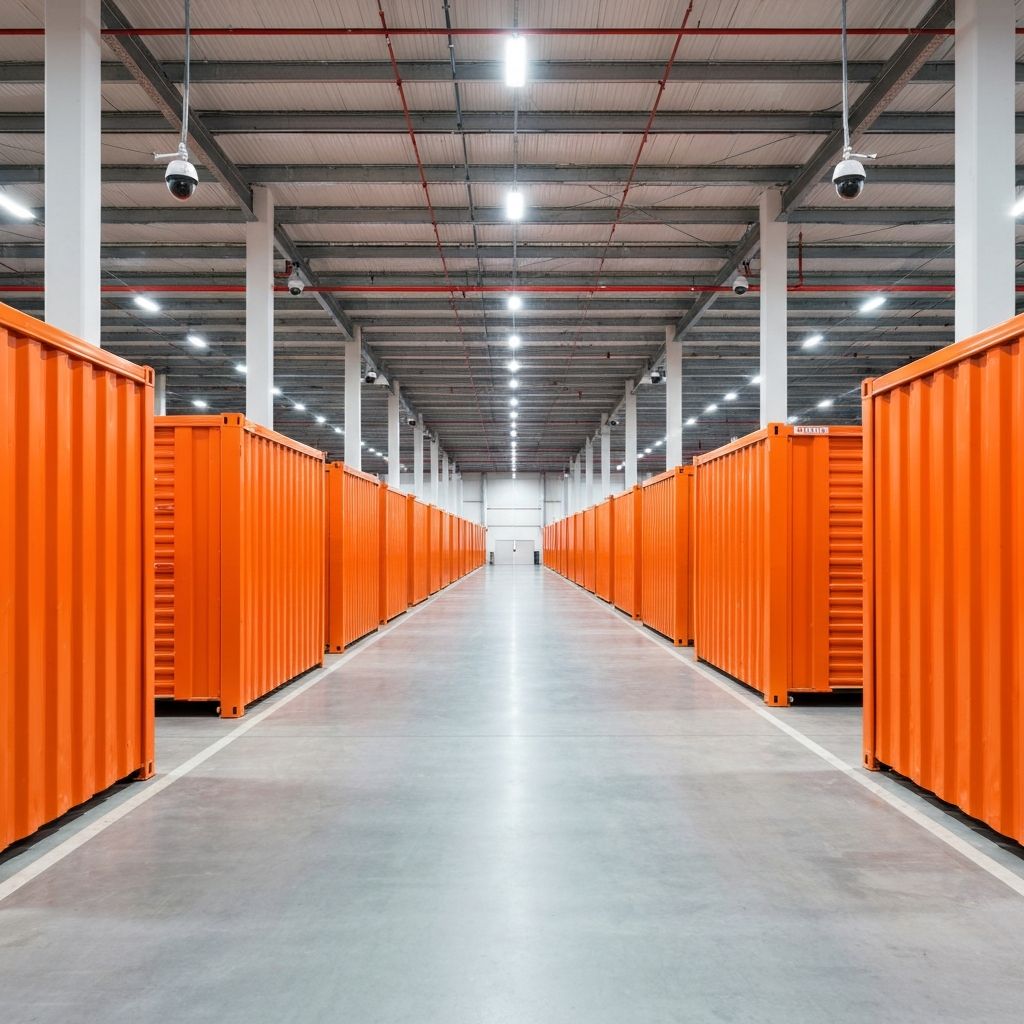
Self storage facilities offer individual units that you can access independently, usually with your own lock and key. Research shows that self-storage units provide exclusive access through personal locks or keys, distinguishing them from shared or restricted access models. Traditional storage, on the other hand, typically involves a service provider managing your items in their warehouse, often with less frequent access but sometimes including additional services like packing assistance.
The decision isn’t just about monthly costs. You’ll need to consider how often you’ll need your items, whether you’re comfortable handling the logistics yourself, and what your storage timeline looks like. Getting this choice right can save you hundreds or even thousands of dollars over time.
What Makes Self Storage Different From Traditional Storage
Self storage gives you direct control over your belongings. You rent a specific unit, receive access codes or keys, and can visit during business hours or sometimes 24/7 depending on the facility. You’re responsible for packing, transporting, and organising your items within the space.
How Does Self Storage Access Work in Practice
Most Australian self storage facilities provide drive-up access, meaning you can pull your vehicle right up to your unit. This makes loading and unloading straightforward, especially for heavier items like furniture or appliances. Many facilities offer trolleys and basic moving equipment on-site.
Access hours vary significantly between providers. Some facilities offer 24/7 access, while others restrict visits to business hours or extended hours like 6am to 10pm. Industry standards show that access policies range from continuous availability to specific gate hours for security reasons. Before committing, consider when you’re realistically likely to need your items.
What Traditional Storage Services Include
Traditional storage services often handle more of the logistics for you. However, the evidence shows that most traditional storage facilities operate as self-service options where customers transport items themselves, rather than including pickup and delivery services. Traditional providers typically offer climate-controlled warehouse storage, though not all include professional packing assistance.
The trade-off is reduced access. You usually need to arrange appointments or provide notice before retrieving specific items. Some traditional providers offer inventory lists or photo documentation to help you track what’s stored.
Which Storage Option Costs Less Over Time
The financial comparison between storage options isn’t always straightforward. Monthly rental rates are just the starting point, and the total cost can vary dramatically based on your specific situation.
How Do Upfront Costs Compare
Self storage typically requires you to handle transport yourself, which means hiring a truck or van, recruiting help, or making multiple car trips. These costs can add expense to your initial setup, depending on how much you’re storing and how far you need to travel, though specific transport costs vary widely based on individual circumstances.
Traditional storage often includes pickup and delivery in their service fee, which can make the upfront cost more predictable. However, their base rates are usually higher to account for these included services.
| Cost Factor | Self Storage | Traditional Storage |
|---|---|---|
| Monthly rental | Generally lower base rate | Higher base rate includes services |
| Initial transport | Your responsibility | Usually included |
| Access visits | Unlimited during hours | May incur fees per visit |
| Final collection | Your responsibility | Usually included |
When Does Long Term Storage Become Expensive
Here’s where the mathematics can be sobering. Many households discover that storing low-value items for extended periods costs more than replacing them entirely. Monthly storage costs typically range from $70-$300, meaning if you’re paying $150-300 monthly for storage, that’s $1,800-3,600 per year.
The key question becomes whether your stored items are worth more than your total storage costs over your intended timeframe. For items with high replacement costs or sentimental value, long-term storage makes sense. For everyday furniture and household goods, the numbers often don’t add up favourably.
“Before choosing any storage option, calculate your total expected costs including transport and compare them honestly to replacement costs. Many people are surprised to discover storage isn’t always the economical choice they assumed.”
Consider also that storage costs may increase over time, while the replacement value of your stored items might depreciate, though the evidence on annual cost increases is still emerging across the industry. What seems cost-effective in year one might become questionable by year three or four.
What Are the Security and Protection Differences
Both storage types offer security measures, but they work differently and protect against different risks. Understanding these differences helps you choose based on what you’re storing and your peace of mind requirements.
How Secure Are Self Storage Facilities
Modern self storage facilities typically feature gated access, security cameras, and individual unit locks. Industry standards include electronic gates, surveillance systems, and individual unit locks that you control. You control who has access to your specific unit, which can feel reassuring. However, you’re also responsible for choosing an appropriate lock and securing your belongings properly within the unit.
The main vulnerability comes from the individual access model. While rare, break-ins can occur, and you’re relying on your own packing and organisation to protect valuable items. Insurance is usually available but may not cover everything at full replacement value.
What Protection Does Traditional Storage Offer
Traditional storage providers typically offer comprehensive security through professional facility management. Research indicates that industrial storage facilities commonly feature advanced security measures including electronic access controls and surveillance systems. Your belongings are usually stored in climate-controlled warehouses with professional security systems and staff oversight.
The downside is less direct control. You’re trusting the provider’s systems and procedures, and if something goes wrong, it might be harder to identify exactly what happened since multiple customers’ items share the same spaces.
- Professional handling reduces damage from poor packing
- Climate control protects against temperature and humidity extremes
- Industrial security systems often exceed typical self storage measures
- Professional inventory management reduces misplacement risk
How Often Will You Need Access to Your Items
Access frequency is often the deciding factor between storage options, yet many people underestimate how their needs will change over time. Getting this assessment right prevents frustration and unexpected costs later.
What Counts as Frequent Access
If you expect to visit your storage more than once monthly, self storage usually makes more sense practically, though the cost-effectiveness depends on individual circumstances. Self-storage offers superior accessibility with extended or 24/7 access compared to traditional storage’s limited hours. Traditional storage providers often charge per-visit fees or require advance booking, making frequent access expensive and inconvenient.
Common scenarios requiring regular access include storing seasonal items you rotate regularly, keeping business inventory you need to access for orders, or storing belongings during a staged move where you’re gradually relocating items.
When Is Infrequent Access Acceptable
Traditional storage works well when you genuinely plan to leave items untouched for months or years. Examples include storing family heirlooms during downsizing, keeping household goods during extended overseas travel, or preserving items while transitioning between life stages.
Be realistic about this assessment. Many people think they won’t need access but find themselves wanting specific items more often than anticipated. Consider whether you have essential items mixed in with less important belongings.
Which Items Suit Each Storage Type Best
The type of belongings you’re storing significantly influences which option serves you better. Some items thrive in self storage environments, while others benefit from professional traditional storage handling.
What Works Well in Self Storage
Self storage excels for items you might need regularly or want to organise yourself. Furniture that doesn’t require special climate control, sporting goods, tools, and seasonal decorations typically do well in standard self storage units.
- Furniture and appliances you’ll use again soon
- Items you want to access for seasonal rotation
- Belongings you prefer to pack and organise personally
- Things that don’t require special climate conditions
What Benefits From Traditional Storage
Traditional storage often provides better protection for valuable, delicate, or climate-sensitive items. Climate-controlled environments help preserve artwork, important documents, electronics, and antiques, though evidence suggests that professional packing services aren’t consistently included across traditional storage providers.
Items requiring careful handling, such as pianos, artwork, or fragile collectibles, may benefit from facilities with specialised equipment, though you’ll need to verify which specific services each provider offers.
What About Mobile Storage as a Third Option
Mobile storage has emerged as a hybrid solution that addresses some limitations of both traditional options. Understanding how it works helps you evaluate whether it might suit your specific situation better than conventional alternatives.
How Does Mobile Storage Work
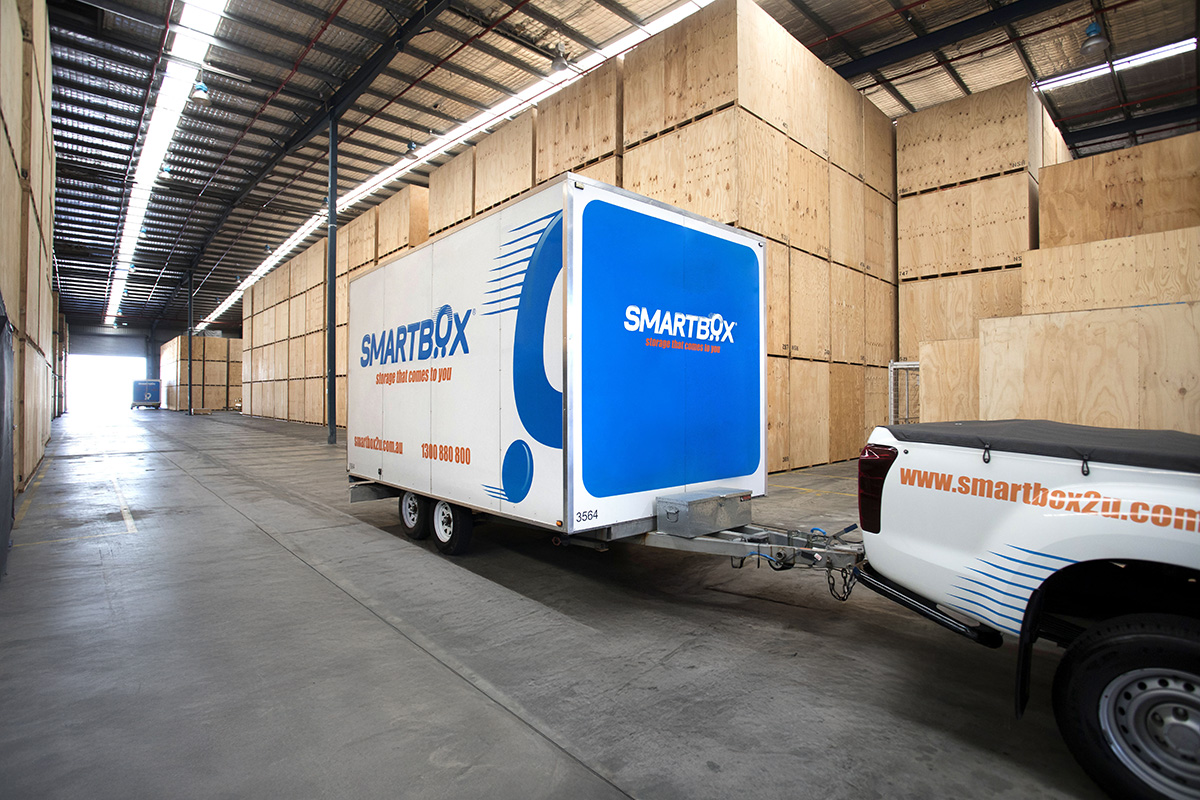
Mobile storage providers deliver a secure container directly to your location. You pack the container at your own pace, then the provider collects it for storage at their facility. When you need access, you can either visit the facility or arrange delivery back to your location.
This approach combines the convenience of professional logistics with the control of self-packing. Professional companies handle transport and storage while eliminating the need for customers to rent trucks, avoiding the transport costs and time of moving items to a storage facility, while maintaining more control than traditional full-service storage.
When Does Mobile Storage Make the Most Sense
Mobile storage particularly suits households facing temporary displacement, such as during renovations, downsizing, or staged moves. Research shows portable storage is ideal for short-term needs like renovations, remodeling, or home staging. The door-to-door service eliminates the logistical challenges of coordinating trucks, helpers, and multiple trips to storage facilities.
It’s also practical for people who want self storage benefits but lack reliable transport or the physical capability to move heavy items repeatedly. The delivered container gives you time to pack properly without the pressure of rental truck time limits.
What the Research Says About Storage Options
Understanding what evidence exists around different storage approaches can help you make a more informed decision for your circumstances.
- Access flexibility matters most for frequent users: Studies consistently show that self-storage’s superior accessibility, including 24/7 options at many facilities, makes it more practical for regular access compared to traditional storage’s limited hours.
- Monthly costs vary significantly by location and features: Industry data shows storage costs typically range from $70-$300 monthly, with climate control and security features affecting pricing.
- Security standards differ between facility types: Modern facilities commonly feature gated access, surveillance cameras, and electronic security systems, though implementation varies between providers.
- Transport costs are often underestimated: The evidence suggests many customers don’t factor in ongoing transport expenses when comparing storage options, which can significantly impact total costs.
- Long-term storage economics require careful analysis: Research indicates that for ordinary household items, extended storage costs can exceed replacement values, though this depends heavily on item types and local market conditions.
- Mobile storage addresses specific pain points: Evidence shows portable storage effectively combines professional logistics with user control, particularly benefiting temporary displacement scenarios like renovations.
How to Make Your Storage Decision
With a clear understanding of each option’s strengths and limitations, you can now evaluate which approach aligns best with your specific circumstances and priorities.
What Questions Should Guide Your Choice
Start by honestly assessing your storage timeline. If you’re unsure how long you’ll need storage, flexibility becomes more important than marginal cost savings. Consider whether your life situation might change in ways that affect your access needs.
- How long do you realistically expect to need storage
- What’s the replacement cost of your items versus total storage costs
- How often will you genuinely need to access stored belongings
- Do you have reliable transport and help for moving items
- Are any items particularly valuable or climate-sensitive
What Are the Common Decision Mistakes
The biggest mistake is underestimating total costs and overestimating the value of stored items. Many households store ordinary furniture and appliances for years, paying more in storage fees than replacement would cost.
Another common error is choosing based solely on monthly rates without considering access frequency, transport costs, and convenience factors. The cheapest monthly option often becomes expensive when you factor in all associated costs and time.
When Should You Reconsider Storing at All
Sometimes the best storage solution is no storage at all. If your items have low replacement value, or if storage costs approach or exceed replacement costs, selling or donating might be more sensible financially.
This is particularly relevant for extended storage periods or when moving long distances. The combination of storage fees, insurance, and eventual transport costs can quickly exceed the value of ordinary household items.
What to Do Next for Your Storage Needs
Armed with a clear understanding of how different storage options work in practice, you can now take concrete steps toward the solution that best fits your situation and budget.
Start by creating a realistic inventory of what you need to store, including rough replacement values. This helps you identify items worth storing versus items that might be better sold or donated. Calculate your total expected costs for each storage option, including transport and access fees.
If you’re looking for the convenience of self storage without the transport hassles, mobile storage offers an excellent middle ground. The door-to-door service eliminates the need for truck rentals and multiple trips while giving you control over packing and timing.
Remember that storage is ultimately about buying yourself time and space to make thoughtful decisions about your belongings. The best choice is the one that gives you peace of mind without creating financial stress or logistical headaches down the track.
Key Takeaways for Your Storage Decision
The choice between self storage and traditional storage ultimately depends on your specific balance of cost, convenience, and control priorities. Neither option is universally better, but one will likely suit your circumstances more effectively.
Self storage offers maximum flexibility and control, making it ideal when you need regular access or want to manage costs carefully. Traditional storage provides comprehensive service and protection, making it worthwhile when convenience outweighs cost considerations or when storing particularly valuable items.
Mobile storage has emerged as a compelling hybrid that addresses many common frustrations with both traditional approaches. By bringing the storage unit to you, it eliminates transport challenges while maintaining the benefits of self-managed packing and timing.
Most importantly, be realistic about storage duration and costs. What seems like a temporary solution can easily become an expensive long-term commitment if you don’t actively plan your storage exit strategy from the beginning.