
Deciding whether self storage is safe enough for your belongings is a legitimate concern, especially when you’re trusting a facility with items that matter to you. The short answer is that self storage can be quite secure, but the level of safety depends heavily on the specific facility you choose and the precautions you take.
Most people wonder about self storage safety because they’re weighing up convenience against security risks. You might be decluttering your home, moving between properties, or need temporary storage during renovations. Understanding what makes storage safe helps you make the right choice for your situation.
The reality is that storage security varies significantly between facilities and storage types. Some offer bank-level security measures, while others provide basic protection. Your belongings’ safety ultimately comes down to choosing the right facility, understanding what’s covered by insurance, and taking appropriate personal precautions.
What security features make self storage facilities safe
Professional storage facilities typically employ multiple layers of security to protect your belongings. Research shows these measures work together to create barriers against theft, damage, and unauthorised access.
How access control systems protect your storage unit
Most secure facilities use electronic access control systems that track who enters and when. Industry standards show that modern access control systems create detailed audit trails through unique access codes or swipe cards that log your entry and exit times. This creates an audit trail and prevents unauthorised individuals from wandering through the facility.
Some facilities also use biometric scanners or require photo identification for additional verification. The best facilities limit access to business hours or specific time windows, reducing the risk of after-hours break-ins.
What surveillance and monitoring systems are standard
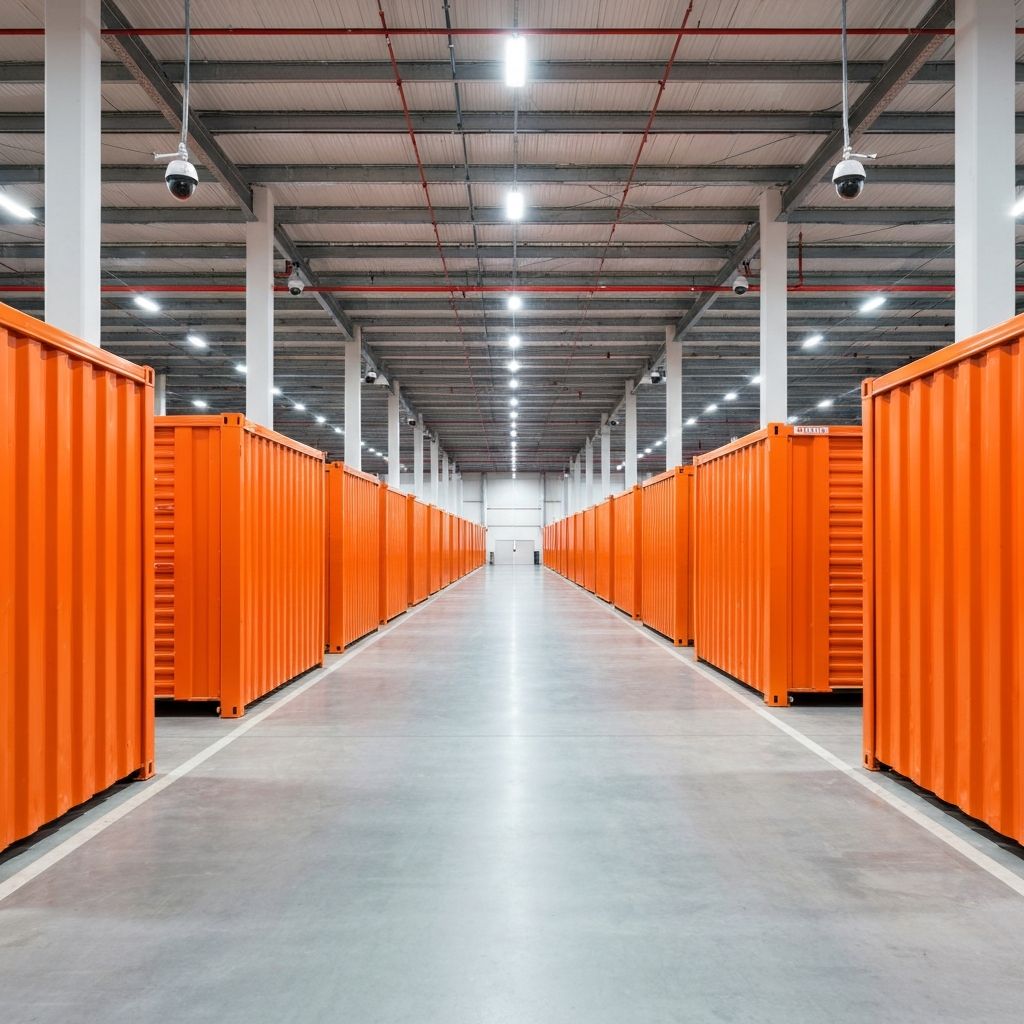
Security cameras are now standard at reputable storage facilities, but their effectiveness varies based on placement and quality. Look for facilities with cameras covering entry points, corridors, and individual unit areas rather than just common spaces.
- Motion-activated cameras that record 24/7
- Well-lit areas to ensure clear footage quality
- Remote monitoring systems that alert staff to unusual activity
- Regular security patrols, either by staff or professional security guards
Some facilities employ on-site managers who live at the location, providing an extra deterrent against break-ins and faster response times to any incidents. Studies have found that 24/7 surveillance combined with motion detection creates effective deterrence and enables rapid response to security incidents.
How physical security measures add protection
The physical design of storage facilities plays a crucial role in security. Evidence shows that well-designed facilities feature strong perimeter fencing, robust construction materials, and strategic lighting to eliminate blind spots.
Individual unit security also matters significantly. Quality facilities provide sturdy roll-up doors with reinforced locks, but many allow you to add your own high-security padlock for additional peace of mind.
How does mobile storage compare for safety and security
Mobile storage solutions like Smartbox offer a different security approach compared to traditional self storage facilities. Research suggests mobile storage provides distinct security features because your storage unit comes directly to your location.
What security advantages does door-to-door storage provide
With mobile storage, your belongings never sit unattended in a shared facility where multiple people have access. The storage unit is delivered to your property, allowing you to pack privately and securely before it’s collected.
This eliminates several common security risks associated with traditional storage facilities, such as other customers observing what you’re storing or opportunistic theft during loading and unloading.
“The beauty of mobile storage is that you control the packing environment completely. Your belongings go straight from your home into a secure unit without exposure to public areas or shared facility risks.”
How secure storage facilities protect mobile units
Once collected, mobile storage units are typically stored in purpose-built, highly secure facilities with restricted access. These facilities often have stronger security measures than traditional self storage because they don’t need to accommodate regular customer visits.
The storage locations usually feature comprehensive surveillance systems, professional security measures, and climate-controlled environments designed specifically for long-term storage protection.
What are the main safety risks with self storage
Understanding the potential risks helps you make informed decisions about what to store and which precautions to take. While storage facilities generally maintain good security, no system is completely foolproof.
How common are break-ins and theft incidents
Break-ins at storage facilities are relatively uncommon but do occur. Industry data shows that most incidents happen at facilities with inadequate security measures or during periods when security systems are compromised.
The risk varies significantly based on location, with facilities in high-crime areas facing greater challenges. However, even secure facilities can experience occasional incidents, which is why insurance coverage becomes important.
| Risk Factor | Traditional Self Storage | Mobile Storage |
|---|---|---|
| Theft during transport | High (multiple trips required) | Low (single delivery/collection) |
| Unauthorised facility access | Medium (shared facility access) | Low (restricted facility access) |
| Opportunistic theft | Medium (visible loading/unloading) | Low (private property packing) |
| Weather exposure | Low (covered loading areas) | Medium (weather-dependent delivery) |
What environmental hazards should you consider
Beyond security concerns, storage facilities face environmental risks that can damage your belongings. These include flooding, fire, extreme temperatures, and pest infestations.
Quality facilities address these risks through proper construction, climate control systems, regular pest management, and fire suppression systems. However, not all facilities maintain the same standards.
How to choose the safest storage option for your needs
Selecting a secure storage solution requires evaluating multiple factors beyond just price and location. Your decision should balance security needs with practical considerations like access requirements and budget.
What security features should you prioritise
When comparing storage options, focus on facilities that demonstrate multiple security layers rather than relying on a single measure. The most secure facilities combine electronic access control, comprehensive surveillance, physical barriers, and active monitoring.
- 24/7 surveillance with recorded footage retention
- Electronic access control with individual codes or cards
- Well-maintained lighting throughout the facility
- Regular security patrols or on-site management
- Secure perimeter fencing and controlled entry points
Don’t hesitate to visit facilities in person and ask detailed questions about their security procedures. Reputable operators welcome these inquiries and should be transparent about their safety measures.
How to evaluate insurance coverage and protection
Insurance coverage varies dramatically between storage providers, and understanding what’s protected is crucial for your peace of mind. Studies show significant variation in coverage limits, deductibles, and covered perils between providers, with some facilities including basic coverage in their rental fees, while others require separate insurance purchases.
Review insurance policies carefully, paying attention to coverage limits, excluded items, and claim procedures. Many policies have restrictions on high-value items, electronics, or items with sentimental rather than monetary value.
What items need special security considerations
Certain belongings require extra thought when it comes to storage safety. Understanding which items face higher risks helps you make appropriate decisions about storage methods and insurance coverage.
Why valuable items need different storage approaches
High-value items like jewellery, important documents, artwork, or electronics often exceed standard insurance coverage limits and attract more attention from potential thieves. Research shows that standard policies impose low coverage limits for valuable items, often leaving them underinsured.
Bank safety deposit boxes offer superior security for important documents, small valuables, and irreplaceable items. While more expensive than storage units, they provide bank-level security that far exceeds typical storage facility protection.
How to protect sentimental and irreplaceable items
Items with sentimental value present unique challenges because they’re often irreplaceable regardless of monetary worth. Family photos, heirlooms, and personal memorabilia require careful consideration before placing them in any storage facility.
For irreplaceable documents, creating digital copies provides an additional layer of protection. Store digital versions separately from originals, ensuring you have backups even if physical items are compromised.
What practical steps improve storage safety
Even with secure facilities, taking personal precautions significantly reduces your risk of loss or damage. These steps cost little but provide substantial additional protection for your belongings.
How to secure your storage unit effectively
Your choice of lock plays a crucial role in unit security. Avoid the cheap locks often sold at storage facilities, as these provide minimal protection and can be easily compromised.
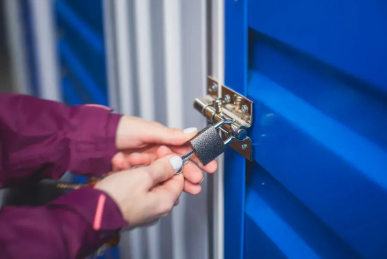
Invest in a high-quality disc lock or closed-shackle padlock designed specifically for storage units. These locks resist common attack methods and signal to potential thieves that your unit is well-protected.
- Choose locks with hardened steel construction
- Avoid combination locks, which can be more vulnerable
- Consider using two locks for additional deterrence
- Ensure locks are weather-resistant for outdoor units
What packing strategies enhance security and protection
How you pack and organise your storage unit affects both security and accessibility. Place less valuable items near the front of the unit, keeping valuable or sensitive items toward the back and out of sight.
Use sturdy boxes and containers that don’t reveal their contents. Clear plastic bins might be convenient, but they advertise what’s inside to anyone who gains access to your unit.
What the research says about storage security
Understanding what industry research reveals about storage security helps you make informed decisions and set realistic expectations.
- Professional facilities with multiple security layers (access control, surveillance, perimeter protection) significantly reduce theft incidents compared to basic facilities
- Electronic access control systems that track entries create effective deterrence and aid investigations when incidents occur
- Mobile storage reduces common risk factors by eliminating shared facility access and multiple transportation trips
- However, the evidence is still emerging on optimal security combinations, as facilities continue implementing new technologies
- Insurance coverage varies dramatically between providers, with significant gaps in protection for high-value items
- Environmental risks like flooding and pests cause damage regardless of security measures, making facility maintenance standards crucial
How to get started with secure storage
Once you understand storage safety factors, the next step is finding a solution that matches your specific security needs and practical requirements. Whether you choose traditional self storage or mobile storage depends on your priorities around convenience, security, and budget.
Start by clearly defining what you need to store and identifying any items requiring special security considerations. This assessment guides your choice between different storage options and insurance coverage levels.
Research multiple providers in your area, focusing on their security measures rather than just pricing. Visit facilities when possible, ask detailed questions about their safety procedures, and read recent reviews from other customers about their experiences.
What to expect from professional mobile storage
Mobile storage services handle the transportation and facility storage aspects, reducing your exposure to security risks during multiple trips to traditional storage facilities. You pack at your own pace in a secure environment, then professional staff handle the collection and storage.
This approach minimises the time your belongings spend in transit or exposed to potential security risks. The storage facilities used for mobile units typically maintain higher security standards than traditional customer-access facilities.
Key takeaways about self storage safety
Self storage can be quite safe when you choose reputable facilities and take appropriate precautions. The level of security varies significantly between providers, making research and comparison essential for protecting your belongings.
Mobile storage solutions often provide enhanced security by eliminating many risks associated with traditional facilities, such as shared access and multiple transportation trips. However, both options can work well when proper security measures are in place.
Remember that no storage solution is completely risk-free. Focus on choosing providers with multiple security layers, understanding insurance coverage limitations, and taking personal precautions to protect your most valuable or irreplaceable items.
The safest approach combines choosing a secure facility, using quality locks, maintaining detailed inventories, and ensuring appropriate insurance coverage for your specific needs and circumstances.