
When you’re choosing between self storage, industrial storage, or warehouse facilities, safety naturally becomes a top priority. The security of your belongings depends on much more than just locks and cameras – it’s about understanding how different storage models actually protect your items in real-world conditions.
Self storage security has evolved significantly, with most reputable facilities now offering comprehensive protection measures. However, the safety comparison isn’t always straightforward, as industrial storage and warehouse facilities serve different purposes and often have varying security standards.
The key to making the right choice lies in understanding what security features truly matter for your specific storage needs, how different facility types approach protection, and what you can realistically expect from each option.
What Security Features Actually Matter in Storage Facilities
Modern storage facilities implement multiple layers of protection, but not all security measures are equally effective. Understanding which features provide genuine protection helps you evaluate any storage option more accurately.
How Do Access Controls Work in Different Storage Types
Self storage facilities typically use electronic gate systems with individual PIN codes or access cards. Research confirms that modern self-storage facilities commonly employ electronic gate systems using individual credentials like PIN codes, keypads, key cards, or mobile apps, which generate digital logs of entries for monitoring and security purposes. This creates a digital record of who enters and when, which provides accountability that many warehouse facilities lack.
Industrial storage often relies on broader facility security rather than individual unit monitoring. The most effective access control systems combine electronic gates with on-site staff presence during business hours, creating both technological monitoring and human oversight when most people access their storage.
Why Surveillance Systems Vary Between Storage Models
Self storage facilities usually install CCTV coverage across common areas, corridors, and unit doors. Industry guides confirm that professional self-storage facilities commonly install CCTV cameras in common areas, corridors, entrances, and around units for comprehensive coverage. The footage is typically monitored remotely after hours, with some facilities offering real-time surveillance during peak times.
Industrial and warehouse storage often focus surveillance on perimeter security rather than individual storage areas. While this can be effective for large-scale protection, it may offer less detailed monitoring of individual storage spaces.
- 24/7 CCTV coverage of all common areas and unit access points
- Motion-activated lighting in corridors and around buildings
- Remote monitoring with immediate response protocols
- Digital recording systems that store footage for investigation purposes
How Does Self Storage Compare to Industrial Storage for Safety
Self storage and industrial storage serve different purposes, which directly affects their security approaches. Understanding these differences helps you choose the option that best matches your protection needs.
What Makes Self Storage Security More Personalised
Self storage facilities design security around individual unit protection. Each storage space typically has its own alarm system that triggers when unauthorised access occurs. Industry sources confirm that self-storage facilities commonly provide individually alarmed units as part of their security features, distinguishing them from warehouses where tenants often manage their own security. This means your belongings get dedicated monitoring rather than sharing general facility security with dozens of other users.
Many modern self storage facilities also conduct daily manual checks of unit locks and doors. Staff members physically verify that units remain secure, which catches problems that electronic systems might miss.
Industrial storage, by contrast, usually operates on a larger scale with shared security measures. While this can be cost-effective, it means less individualised protection for your specific storage needs.
“Self storage typically provides more direct control over your security choices, from lock selection to access timing, which many customers find reassuring compared to shared warehouse arrangements.”
When Does Industrial Storage Offer Better Protection
Industrial storage facilities often excel in perimeter security and environmental controls. These facilities frequently maintain stricter climate control, which protects against moisture damage that can occur in some storage environments.
The scale of industrial operations also means they typically invest in professional-grade fire suppression systems and structural security measures that smaller self storage facilities might not match. Multiple industry sources confirm that industrial storage facilities commonly invest in professional-grade fire suppression systems such as sprinklers, gas suppression, and advanced detection to meet safety codes and insurance requirements.
- Enhanced climate control reducing moisture-related damage
- Professional fire suppression and safety systems
- Robust perimeter security with professional monitoring
- Structured loading and unloading procedures
What About Warehouse Storage Security Compared to Self Storage
Warehouse storage operates differently again, typically offering shared space rather than individual units. This fundamental difference affects security in ways that matter for your belongings’ safety.
How Shared Warehouse Space Affects Security
In warehouse storage, your items often share space with other customers’ belongings, sometimes separated only by shelving or basic partitions. Multiple sources confirm that warehouse storage involves communal spaces where multiple businesses share the area, leading to limited control and security risks from multiple occupants. While this can be cost-effective, it creates security challenges that individual self storage units avoid.
Access control becomes more complex in shared warehouse environments. Multiple customers may need access to the same general area, which can make it harder to track who accessed which items and when.
However, warehouse facilities often employ on-site staff during business hours, providing direct human oversight that some self storage facilities lack. This can offer immediate response to security concerns, though it typically operates during limited hours.
Which Storage Type Offers Better Environmental Protection
Professional warehouse facilities sometimes maintain consistent environmental controls, protecting against temperature fluctuations and moisture issues that can damage sensitive items. However, the evidence on warehouse climate control is mixed – while some facilities offer superior environmental systems, this isn’t universal across all warehouse operations.
The trade-off is less personal control over storage conditions. In self storage, you can add your own moisture absorbers, arrange items as you prefer, and make individual environmental modifications that warehouse storage might not permit. Sources confirm that self-storage provides personal control through individual locks and flexibility for environmental modifications like moisture absorbers.
| Storage Type | Individual Unit Security | Environmental Control | Access Flexibility | Personal Control |
|---|---|---|---|---|
| Self Storage | High – individual alarms | Variable by facility | High – usually 24/7 | High – your own lock and arrangement |
| Industrial Storage | Medium – shared monitoring | High – professional systems | Medium – business hours | Low – facility-controlled |
| Warehouse Storage | Low – shared space | Variable – not always climate controlled | Medium – scheduled access | Low – limited customisation |
What Security Risks Should You Actually Worry About
Understanding real security risks helps you focus on protection measures that matter, rather than worrying about unlikely scenarios or overlooking genuine concerns.
Which Problems Occur Most Often in Storage Facilities
While break-ins do occur, environmental damage often poses significant risks to stored belongings. Industry research shows that weather damage, water-related issues, temperature problems, and pest intrusion are common causes of storage damage, though the evidence is mixed on whether these definitively cause more damage than break-ins at reputable facilities.
When theft does occur, it’s often related to inadequate individual security measures rather than facility-wide problems. Using quality locks, avoiding obviously valuable items in transparent containers, and following basic storage security practices prevents most theft issues.
Self storage facilities with good track records typically see very few serious security incidents. The combination of individual unit alarms, access controls, and regular monitoring creates effective deterrence against most security threats.
How Weather and Environmental Factors Affect Storage Safety
Australian weather conditions create specific storage challenges that vary by location and facility type. Humidity and temperature fluctuations can damage belongings more quickly than many people expect, especially in coastal areas. Research confirms that Australian coastal areas experience high humidity and moisture retention due to coastal climates, increasing risks of moisture-related damage.
Self storage facilities in well-designed buildings offer better protection against weather-related damage than improvised storage solutions. However, the quality varies significantly between operators, making facility inspection essential.
- Moisture buildup leading to mould and mildew damage
- Temperature extremes affecting sensitive items
- Pest intrusion through inadequate sealing
- Storm damage from inadequate building maintenance
How Can You Verify Storage Security Before Committing
Choosing secure storage requires more than reading facility descriptions or comparing advertised features. Practical verification helps you understand what protection you’re actually getting.
What Should You Check During a Facility Visit
Visit potential storage facilities during different times of day to observe actual security operations. Check that cameras are functioning, lighting is adequate, and access controls work properly. Look for signs of regular maintenance and cleanliness, which indicate professional facility management.
Ask to see the actual storage areas you’d be using, not just display units or office spaces. Storage security depends on the specific location where your belongings will be kept, and conditions can vary within the same facility.
Test the facility’s response to questions about security procedures. Professional operators should clearly explain their monitoring systems, access protocols, and incident response procedures without hesitation.
Which Questions Help You Assess Real Security Levels
Ask about recent security incidents and how they were handled. Reputable facilities should be transparent about their security track record while explaining what measures they’ve taken to prevent similar issues.
Inquire about staff training and background checks. Security depends on people as much as technology, so understanding who has access to your storage area provides important insight into actual protection levels.
- How often are security systems tested and maintained
- What happens when alarms are triggered after hours
- How quickly can staff respond to security concerns
- What insurance coverage protects stored belongings
- How are access records maintained and monitored
What Are the Real-World Security Trade-offs Between Storage Types
Every storage option involves security trade-offs. Understanding these compromises helps you choose the option that best balances protection, convenience, and cost for your specific situation.
When Does Convenience Affect Security
24/7 access, a major advantage of many self storage facilities, can create security challenges if not properly managed. Industry sources confirm that self-storage facilities offering 24/7 access rely on robust monitoring systems like AI-powered CCTV, remote video surveillance, and alarms to ensure security during unstaffed hours.
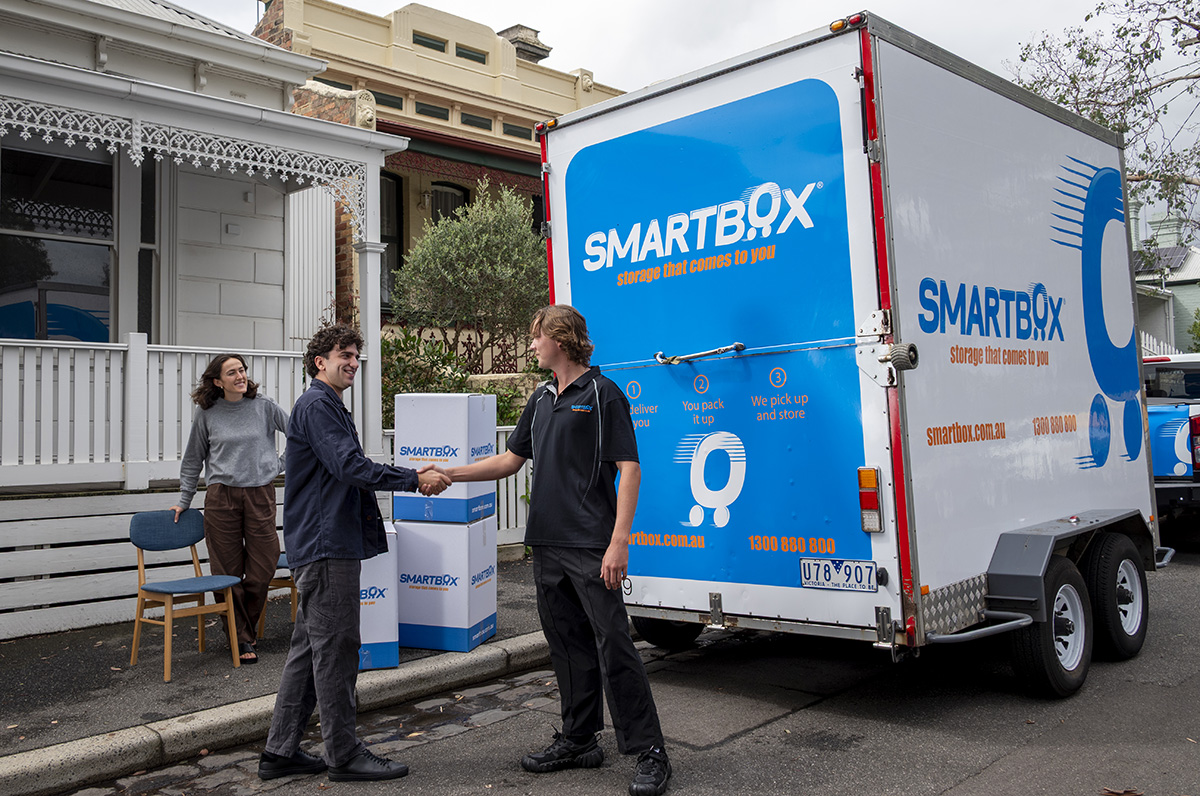
Mobile storage solutions, where units come to your location, offer unique security benefits during the packing process but may involve different protection standards during transportation and storage phases.
Warehouse storage often requires scheduling access appointments, which can be inconvenient but ensures staff supervision during all access periods. This trade-off between flexibility and oversight affects your overall storage experience.
How Does Cost Relate to Security Quality
Lower-cost storage options sometimes achieve savings by reducing security measures, but this isn’t always the case. Some budget facilities maintain good security while saving money through operational efficiency or location choices.
Premium storage facilities typically offer enhanced security features, but the additional cost doesn’t always translate to meaningfully better protection for typical storage needs. Focus on security features that address your specific risks rather than paying for comprehensive measures you don’t need.
The most cost-effective security often comes from choosing reputable facilities with proven track records rather than facilities with the most extensive security features on paper.
How Should You Decide Which Storage Type Is Safest for Your Needs
The safest storage choice depends on your specific belongings, access requirements, and risk tolerance. A systematic evaluation approach helps you weigh security factors against other important considerations.
What Makes Mobile Self Storage a Secure Alternative
Mobile self storage combines the individual unit security of traditional self storage with the convenience of door-to-door service. This approach eliminates transport risks while maintaining controlled access to your belongings.
The security advantages include reduced handling by facility staff, since you pack the unit yourself at your location. Multiple sources confirm that mobile self-storage minimises staff handling by allowing customers to personally pack and arrange items, providing greater control compared to warehouse storage where staff often manage inventory. This minimises opportunities for damage or loss during the storage process while giving you complete control over how items are arranged and protected.
Professional mobile storage operators maintain secure facility-based storage between pickups and deliveries, combining the benefits of controlled warehouse environments with individualised unit security.
When Should You Choose Traditional Self Storage for Security
Traditional self storage works best when you need regular access combined with individual unit security. The ability to visit your storage unit whenever needed, combined with personal control over locks and arrangement, suits many storage situations effectively.
Self storage also allows you to implement additional security measures like inventory tracking, special packaging for valuable items, and personal monitoring of storage conditions over time. However, the evidence is mixed on some features – while self storage consistently provides regular access and personal lock control, additional security measures and climate control availability varies between facilities.
For valuable or sensitive items requiring specific environmental conditions, self storage units with climate control offer a good balance of protection and personal oversight.
What the research says about storage security
Based on current industry evidence and security standards, here’s what we know about storage safety:
- Electronic access controls with digital logging significantly improve security accountability across all storage types
- Individual unit alarms in self storage provide more targeted protection than shared facility monitoring
- Industrial facilities typically invest in superior fire suppression and structural security measures
- Coastal Australian locations face higher humidity-related damage risks that require specific environmental precautions
- Evidence is mixed on whether environmental damage or theft causes more storage problems – both require prevention strategies
- 24/7 access facilities need robust remote monitoring systems to maintain security during unstaffed periods
What Should You Do Next to Secure Proper Storage
Choosing secure storage requires balancing multiple factors including security features, access requirements, cost, and convenience. The right choice protects your belongings while fitting your practical needs and budget.
Start by visiting potential facilities in person to verify actual security conditions rather than relying solely on descriptions or advertising. Look for facilities with proven track records, functioning security equipment, and professional management practices.
Consider your specific storage timeline and access needs when evaluating security trade-offs. Short-term storage with frequent access has different security requirements than long-term storage for items you rarely need.
For many Australian customers, mobile self storage provides an ideal balance of security, convenience, and personal control. This approach eliminates many traditional storage security concerns while maintaining individual unit protection.
Professional storage solutions like those offered through self storage services combine proven security measures with flexible access options. Understanding your specific security needs helps you choose the storage approach that best protects your belongings while meeting your practical requirements.
Key Takeaways for Storage Security Decisions
Self storage typically offers the best balance of individual unit security, access flexibility, and personal control for most storage needs. The combination of individual alarms, controlled access, and personal lock selection provides comprehensive protection for typical storage situations.
Industrial and warehouse storage can offer superior environmental controls and professional facility management, but often at the cost of individual unit security and access flexibility. These options work best for long-term storage with minimal access requirements.
The safest storage choice depends on your specific needs rather than any single “best” option. Consider your access requirements, the value and type of items you’re storing, and your comfort level with different security approaches when making your decision.
Regardless of storage type, verify security features in person, understand facility policies clearly, and implement additional protection measures like moisture absorbers and quality locks to maximise the safety of your stored belongings.