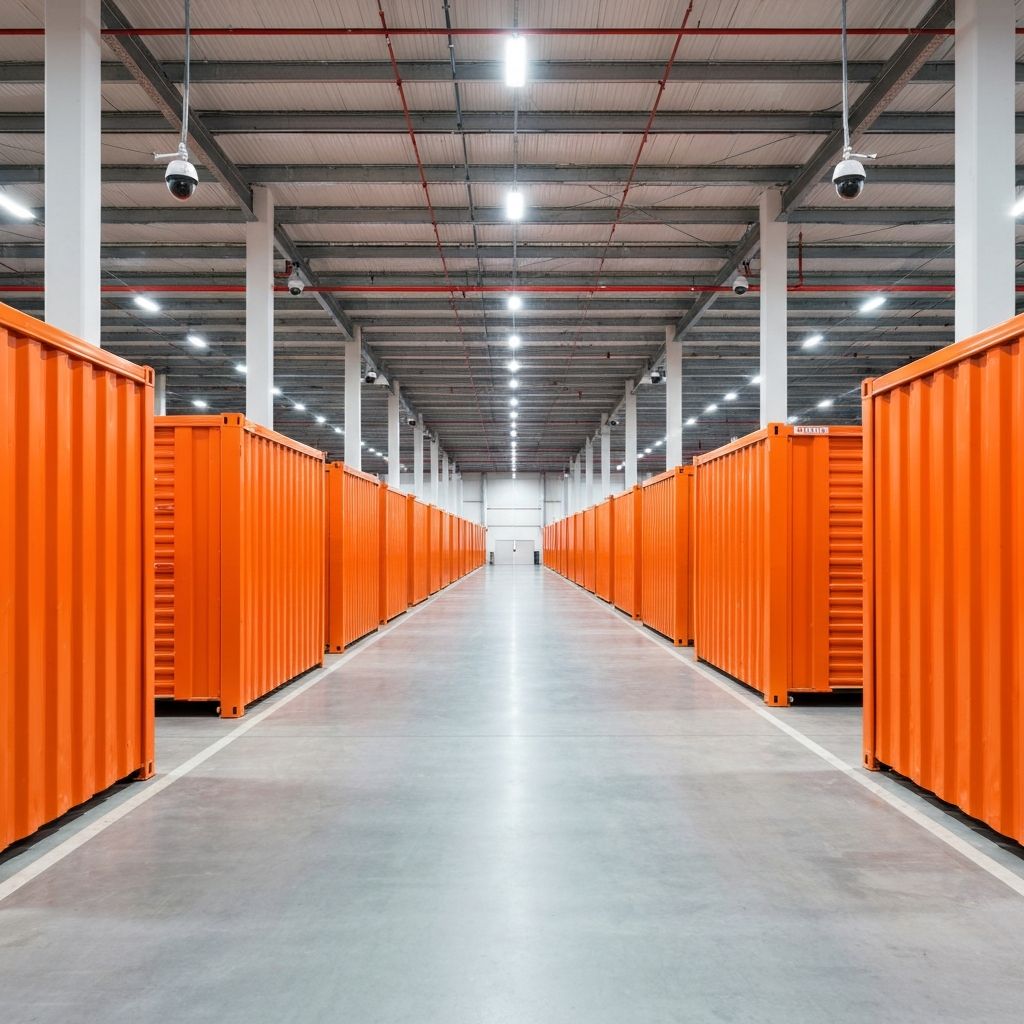


Self storage cost Australia varies significantly based on location, unit size, access requirements and contract terms. Industry pricing data shows costs can range from around $2 per month for small lockers to over $25,000 monthly for large commercial units. Whether you’re decluttering your home, moving between properties, or need business storage space, understanding pricing helps you budget properly and choose the right solution for your needs.
Storage costs aren’t always transparent upfront, which makes planning tricky. Many Australians find themselves surprised by additional fees, access restrictions, or pricing changes after signing contracts. The good news is that with the right approach, you can get accurate quotes and make informed decisions about your storage investment.
This guide breaks down the real costs of self storage across Australia, explains what influences pricing, and shows you how to compare options effectively. You’ll learn practical strategies for getting the best value and avoid common pricing pitfalls that catch many first-time storage users off guard.
What factors determine self storage costs in Australia
Self storage pricing depends on several key variables that work together to create your final monthly cost. Understanding these factors helps you predict expenses and negotiate better deals.
How does location affect storage pricing
Storage costs vary dramatically between Australian cities and suburbs. Research from storage industry experts confirms that inner-city facilities typically charge premium rates due to high property values and strong demand, while suburban and regional locations often offer more competitive pricing with savings of 20-60% in non-urban areas.
Supply and demand dynamics play a major role in local pricing, as confirmed by multiple industry pricing studies. Areas with limited storage options can charge higher rates, while competitive markets tend to drive prices down. This market reality means calling multiple providers in your specific area gives you a better understanding of realistic costs.
What unit sizes are available and how much do they cost
Storage units range from small lockers suitable for documents and seasonal items to large warehouse-style spaces for entire household contents. Common size categories include:
- Small units (1-3 cubic metres) for boxes, documents, and seasonal clothing
- Medium units (4-8 cubic metres) for studio apartment contents or excess furniture
- Large units (9-15 cubic metres) for two to three-bedroom house contents
- Extra large units (16+ cubic metres) for full house moves or business inventory
Pricing generally scales with size, but industry data shows per-cubic-metre costs often decrease as you move to larger units. Many providers offer volume discounts that make upgrading to a slightly larger space more economical than cramming items into a smaller unit.
How do access hours impact storage costs
Access arrangements significantly influence monthly fees. However, evidence suggests that facilities offering 24-hour access don’t consistently charge premium rates across the Australian market – many providers now include round-the-clock access as a standard feature rather than a premium add-on.
Consider your actual access needs realistically. If you only plan occasional visits during normal hours, paying extra for round-the-clock access may not provide value. However, if your schedule requires flexibility or you’re storing business inventory, having unrestricted access can be beneficial for your storage experience.
What are typical self storage prices across Australian cities
Storage costs vary significantly between major Australian cities, reflecting local property markets and demand patterns. While specific pricing changes regularly, understanding general cost ranges helps set realistic expectations.
How much does storage cost in Sydney and Melbourne
Sydney and Melbourne are among Australia’s most expensive storage markets, though the evidence shows some variation in rankings. Recent market data indicates Sydney averages around $317 monthly and Melbourne $310 monthly for medium units, placing them consistently in the top tier for storage costs. The strong rental markets in both cities create consistent demand for storage space, supporting higher pricing levels.
Small units in these major cities might start around certain monthly rates, with larger units scaling proportionally. However, pricing varies considerably between suburbs, with some areas offering significantly better value than others within the same city.
What about storage costs in other Australian capitals
Brisbane, Perth, Adelaide, and other capital cities generally offer more competitive storage pricing than Sydney and Melbourne. Industry research describes Brisbane and Perth as “more affordable but still on the higher end” compared to Sydney and Melbourne, while regional centres typically offer 20-40% cheaper rates than major capitals.
Regional centres and smaller cities typically offer the most affordable storage options in Australia. If you’re flexible about location or storing items you don’t need regular access to, regional facilities can provide substantial cost savings.
| Market Type | Cost Level | Access Options | Best For |
|---|---|---|---|
| Inner City | Highest | Usually 24/7 | Frequent access needed |
| Suburban | Moderate | Mixed options | Balanced cost and convenience |
| Regional | Lowest | Often limited hours | Long-term, infrequent access |
How can you get accurate storage cost estimates
Getting realistic pricing information requires a strategic approach, as many storage providers don’t publish comprehensive pricing online. The most effective method involves direct contact with facilities to discuss your specific requirements.
Why should you call storage companies directly
Calling storage providers directly remains the most reliable way to get accurate cost estimates. Phone conversations allow you to explain your specific needs, timeline, and any special requirements that might affect pricing. Many facilities offer personalised quotes that consider factors like duration, payment terms, and current availability.
Direct contact also helps you understand what’s included in quoted prices versus additional fees. Some providers bundle services like insurance, while others charge separately for access cards, administrative fees, or security deposits.
What questions should you ask when getting quotes
Effective quote conversations cover both obvious and hidden costs. Essential questions include monthly rental rates, bond requirements, insurance options, access fees, and contract terms. Ask specifically about promotional pricing and whether quoted rates apply long-term or just for initial periods.
- What’s the total monthly cost including all fees
- How much deposit or bond is required upfront
- What notice period is required to terminate
- Are there any restrictions on stored items
- What security measures are in place
- How does pricing change after promotional periods
How do online quotes compare to phone quotes
Some storage users report that online quotes can be more competitive than in-person or phone quotes. Online systems may offer automated promotions or pricing that reflects current inventory levels more accurately than staff quotes.
However, online quotes often lack the detail needed for accurate budgeting. They may not include mandatory fees, insurance requirements, or access charges that significantly impact your total monthly cost. Using online quotes as a starting point, then following up with direct contact, often provides the most complete pricing picture.
What additional costs should you expect with self storage
Monthly rental fees represent just one component of total storage costs. Understanding additional charges helps you budget accurately and avoid surprise expenses during your storage period.
What upfront costs do storage facilities charge
Industry experts note that upfront payments beyond first month’s rent are common in the Australian self-storage market, though practices vary between providers. Common initial costs include security deposits, administration fees, and lock purchases. Some facilities also require insurance, either through their provider or proof of coverage through your existing policies.
Security deposits are typically refundable when you vacate the unit in good condition, though the evidence shows deposit amounts vary significantly – some providers charge fixed amounts while others may not require deposits at all. Administration fees cover account setup and may be non-refundable. Budget for these upfront costs when comparing total storage expenses.
Are there ongoing fees beyond monthly rent
Many facilities charge additional monthly fees for services like insurance, access cards, or facility maintenance. Some providers include these in their quoted monthly rate, while others charge separately. Insurance costs vary but typically represent a small percentage of your stored items’ declared value.
Access-related fees might include replacement key charges, after-hours access fees, or charges for bringing vehicles into the facility. Understanding these potential costs upfront prevents budget surprises later.
How do mobile storage services compare to traditional self storage costs
Mobile storage represents an alternative approach that can offer different cost structures compared to traditional self storage facilities. Understanding these differences helps you evaluate which option provides better value for your specific situation.
What are the cost advantages of mobile storage
Mobile storage eliminates several costs associated with traditional self storage, particularly transport expenses. Industry research confirms that mobile storage providers typically include delivery and collection in their base pricing, avoiding expenses such as truck rental, fuel, and multiple facility trips that are required with traditional storage. This can represent significant savings, especially for larger households or business moves.
The convenience factor also translates to cost savings in terms of time and effort. Being able to pack at your own pace without time pressure can reduce the risk of damage and eliminate rush fees or extended truck rental charges.
How does mobile storage pricing work
Mobile storage pricing structures vary between providers – some bundle delivery, pickup, and monthly storage fees in a single package, while others list these components separately. Mobile storage pricing guides show this bundled approach can provide better budget predictability compared to traditional storage where transport costs are separate and variable.
Many mobile storage providers offer flexible contract terms without long-term commitments, which can reduce costs if your storage needs change. The ability to have units delivered back to your location when needed can also eliminate ongoing access fees charged by traditional facilities.
For guidance on mobile storage pricing explained, many providers offer transparent cost breakdowns that help with comparison shopping.
What storage companies publish pricing online
While many storage providers prefer phone quotes, some major companies do publish basic pricing information online. This transparency can help with initial comparison shopping and shortlisting potential providers.
Which providers offer online pricing tools
Several national storage chains provide online pricing calculators or published rate cards. These tools typically show base monthly rates for different unit sizes at specific locations. However, online pricing may not reflect current promotions, availability, or additional fees.
Online pricing tools work best for getting rough cost estimates and identifying providers worth contacting directly. They provide a starting point for budget planning but shouldn’t be considered final pricing without confirmation.
How accurate is published online pricing
Online pricing accuracy varies significantly between providers and locations. Some companies update their online rates regularly to reflect current market conditions, while others may show outdated or promotional pricing that doesn’t represent typical costs.
Supply and demand fluctuations can make online pricing less reliable, particularly during peak moving seasons or in high-demand areas. Facilities experiencing high occupancy may charge rates above their published online prices, while those with available space might offer discounts not reflected online.
How can you minimise self storage costs
Strategic approaches to storage can significantly reduce your monthly expenses while still meeting your storage needs effectively. These cost-saving strategies work regardless of which type of storage you choose.
What timing strategies reduce storage costs
Storage demand fluctuates seasonally, creating opportunities for better pricing. End-of-financial-year periods and post-holiday seasons often see promotional pricing as facilities seek to fill vacant units. Avoiding peak moving times like summer months can also provide access to better rates.
Longer-term commitments sometimes unlock discounted monthly rates, but only commit to extended contracts if you’re certain about your storage timeline. Some providers offer graduated pricing where monthly costs decrease after certain duration milestones.
How does choosing the right size unit affect costs
Selecting the optimal unit size balances cost efficiency with practical access needs. Cramming items into too-small spaces can damage belongings and make retrieval difficult, while paying for unnecessarily large units wastes money monthly.
Consider that slightly larger units often provide disproportionate value improvements. The cost difference between size categories may be small compared to the convenience and protection benefits of having adequate space for proper organisation and item protection.
- Measure your items before choosing unit sizes
- Account for access pathways between stored items
- Consider whether you’ll add more items during storage
- Factor in protective wrapping that increases item dimensions
What negotiation strategies work with storage providers
Direct negotiation can yield better storage rates, particularly for longer-term storage or larger unit requirements. Facilities with available capacity often have flexibility in their pricing, especially during slower demand periods.
Comparing quotes from multiple providers gives you negotiation leverage. Being prepared to commit to longer terms or pay several months upfront can also unlock discounted rates from providers seeking to secure reliable income.
What the research says about storage costs in Australia
Industry research and pricing data provide valuable insights into storage market trends and cost factors across Australia.
- Location remains the strongest predictor of storage costs, with inner-city facilities charging significantly more than suburban or regional options due to property values and demand levels.
- Unit size economics favour larger spaces, with per-cubic-metre costs typically decreasing as storage capacity increases, making slight size upgrades often worthwhile.
- Mobile storage can eliminate transport-related expenses that add considerable cost to traditional storage solutions, particularly for short to medium-term needs.
- The evidence on 24-hour access pricing premiums is mixed – while some facilities may charge extra, many providers now include round-the-clock access as standard rather than a premium feature.
- Security deposit practices vary widely across the industry, with some providers requiring substantial upfront payments while others operate with minimal or no deposit requirements.
- Bundled pricing approaches in mobile storage can provide more predictable total costs compared to traditional storage where transport, access, and additional fees are often charged separately.
What should you do next to find affordable storage
Finding cost-effective storage requires a systematic approach that considers both immediate costs and long-term value. Taking time to research and compare options properly can save hundreds of dollars over your storage period.
How should you approach getting storage quotes
Start by identifying your specific storage requirements, including size needs, access frequency, and timeline. This clarity helps you ask relevant questions and compare quotes accurately across different providers.
Contact multiple storage providers to build a realistic picture of market pricing in your area. Take notes on what each quote includes and excludes, as this information is crucial for accurate comparisons. Consider using a dedicated email address for storage inquiries to manage follow-up communications effectively.
For those exploring alternatives to traditional storage, cheap storage options may include mobile solutions that eliminate transport costs and offer flexible access arrangements.
What questions help evaluate total storage value
Beyond monthly rental costs, evaluate providers based on security measures, access convenience, customer service quality, and contract flexibility. The cheapest option isn’t always the best value if it compromises item security or creates access difficulties.
Ask about the provider’s track record, insurance requirements, and policies for rate increases. Understanding these factors helps you predict total costs over your expected storage duration and avoid providers with poor service reputations.
Free quote Sydney services demonstrate how some providers make pricing comparison easier through transparent quoting processes.
How can mobile storage provide cost-effective alternatives
Mobile storage services deliver units directly to your location, eliminating transport costs and time investments required for traditional self storage. This approach can provide significant savings, particularly for households without large vehicles or those facing tight moving timelines.
The convenience of packing at your own pace reduces the risk of damage from rushed packing and eliminates fees for extended truck rentals. Many mobile storage providers also offer flexible access arrangements and transparent pricing that includes delivery, storage, and return services.
Consider mobile storage particularly if you value convenience, want to avoid transport logistics, or need flexible access to stored items. The bundled pricing approach often provides better budget predictability compared to traditional storage with separate transport costs.
Key takeaways for self storage costs in Australia
Self storage pricing in Australia reflects local market conditions, facility quality, and service levels rather than following standardised national rates. Getting accurate cost estimates requires direct contact with providers to discuss your specific requirements and timeline.
Budget for additional costs beyond monthly rental fees, including deposits, insurance, and access-related charges. These extra expenses can significantly impact your total storage investment, particularly for shorter-term storage arrangements.
Consider mobile storage alternatives that eliminate transport costs and offer flexible contract terms. While monthly rates may be comparable to traditional storage, the total cost of ownership often favours mobile solutions when transport and convenience factors are included.
Take time to compare multiple providers and understand what services are included in quoted prices. The cheapest monthly rate doesn’t always represent the best value when security, access, and service quality are considered alongside cost factors.