
What Is the Key Difference Between Mobile and Traditional Self Storage
When you’re looking at storage options, the main difference between mobile self storage vs self storage facilities comes down to where the storage happens. Traditional self storage requires you to drive to a facility, load your belongings into a unit, and return whenever you need access. Industry research confirms that this model has remained consistent across Australia’s storage sector. Mobile self storage brings the unit to your location, letting you pack at home before it’s collected and stored securely.
Both options protect your belongings, but they work quite differently in practice. Understanding these differences helps you choose the right solution for your situation, whether you’re decluttering, renovating, moving house, or need business storage.
How Mobile Storage Works in Practice
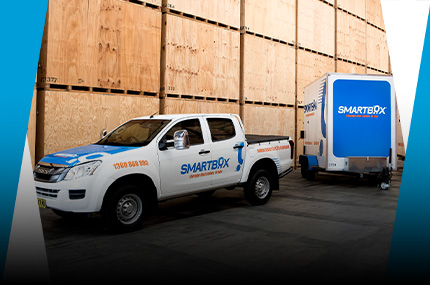
Mobile storage providers deliver a weatherproof unit to your home or business. You pack it at your own pace, then arrange collection when you’re ready. The unit goes to a secure facility, though some providers offer on-site storage if you have space and prefer immediate access.
How Traditional Storage Operates
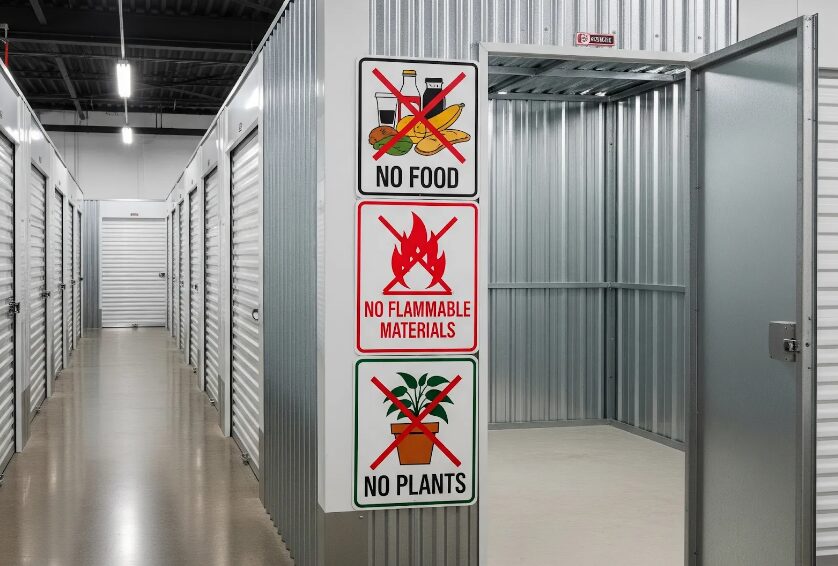
Traditional self storage facilities offer units in various sizes that you rent monthly. You drive to the facility with your belongings, load them into your assigned unit, and return whenever you need something. Many facilities provide trolleys, lifts, and packing supplies on-site.
Which Storage Option Offers Better Convenience
Mobile storage clearly wins on convenience during the initial packing phase. You avoid hiring trucks, making multiple trips, or rushing to load everything in one day. This is particularly helpful for families juggling work and children, or anyone dealing with mobility limitations. Studies show that mobile storage eliminates the transport logistics that often create stress during moves or renovations.
What About Ongoing Access Convenience
Traditional storage facilities offer more flexibility for ongoing access. You can visit your unit during operating hours, browse through boxes, and take only what you need. Mobile storage typically requires scheduling pickup and delivery, which can take 24-48 hours notice according to industry standards.
For short-term storage where you won’t need frequent access, mobile storage maintains its convenience advantage. For longer-term storage where you might want to retrieve seasonal items or gradually sort through belongings, traditional facilities often work better.
| Convenience Factor | Mobile Storage | Traditional Storage |
|---|---|---|
| Initial packing | Pack at home, no transport needed | Must transport items to facility |
| Access frequency | Best for minimal access needs | Unlimited access during hours |
| Access timing | 24–48 hours notice required | Same-day access available |
| Physical effort | Load once at ground level | Multiple trips, stairs or lifts |
How Do Costs Compare Between Storage Types
Mobile storage often costs less upfront because you avoid truck rental, fuel, and multiple trips to a facility. Research from storage industry analysts shows that these transport-related expenses can add significant costs to traditional storage. However, the ongoing monthly fees and any delivery charges need factoring into your total cost calculation.
What Hidden Costs Should You Consider
Traditional storage may require additional expenses such as truck rental, fuel, packing supplies purchased on-site, and your time for multiple facility visits. Some facilities charge access fees or require insurance purchases. Industry research reveals that these hidden costs often catch customers off guard.
Mobile storage providers typically include delivery and collection in their base pricing, but check for additional charges if you need the unit returned to your location mid-storage. Some providers offer free delivery within certain distances but charge for longer trips.
Which Option Offers Better Value for Different Timeframes
For storage periods under six months, industry analysis suggests mobile storage often provides better overall value when you include transport costs and time savings. For longer-term storage, traditional facilities may work out cheaper, particularly if you can size down to a smaller unit after initial sorting.
- Short-term storage (1-6 months) – Mobile storage typically offers better value
- Medium-term storage (6-18 months) – Costs are often comparable, choice depends on access needs
- Long-term storage (18+ months) – Traditional storage may be more economical
What About Security and Item Protection
Both storage types provide secure environments, but they protect your belongings differently. Traditional facilities typically offer 24-hour surveillance, controlled access, and on-site staff during business hours according to security industry standards. Mobile storage facilities also maintain high security standards with monitoring systems and restricted access.
How Does Weather Protection Compare
Quality mobile storage units are weatherproof and designed to protect contents from rain, dust, and temperature fluctuations. Research on portable storage performance suggests that properly maintained units perform well even in challenging Australian weather conditions, though moisture prevention remains important.
Traditional storage facilities in climate-controlled buildings may offer better protection for extremely sensitive items such as antiques, electronics, or documents. However, most household items store safely in quality mobile units.
Which Storage Type Has Better Security
Mobile storage can actually offer enhanced security because your unit’s location isn’t publicly visible, reducing theft risk. Traditional facilities have excellent security systems, but the higher visibility and traffic may present slightly more opportunity for issues.
“The best storage security comes from choosing a reputable provider and properly preparing your items, regardless of whether you choose mobile or traditional storage.”
Which Storage Option Works Best for Different Situations
Your ideal choice depends on your specific circumstances, timeline, and access requirements. Understanding when each option excels helps you make a confident decision.
When Does Mobile Storage Make More Sense
Mobile storage works particularly well for house moves, renovations, or decluttering projects where you need storage quickly without the hassle of transport. It’s ideal when you have limited time, lack access to a suitable vehicle, or prefer packing at your own pace without facility time pressure.
- House moves with flexible timing
- Home renovations requiring temporary item removal
- Decluttering projects with gradual sorting needs
- Business relocations with minimal access requirements
- Situations where transport logistics are challenging
When Does Traditional Storage Work Better
Traditional storage suits situations where you need regular access, want to gradually move items in and out, or have very large volumes requiring multiple unit sizes. It’s often better for long-term storage where you might want to reorganise or retrieve specific seasonal items.
- Long-term storage with regular access needs
- Seasonal item storage requiring periodic retrieval
- Business inventory with frequent access requirements
- Large volumes requiring immediate size flexibility
- Situations where same-day access is important
What About Combining Both Approaches
Some people use mobile storage for initial decluttering or moving, then transition to traditional storage for long-term needs. This hybrid approach captures the convenience benefits upfront while maintaining access flexibility later.
What the Research Says About Storage Choices
Evidence from storage industry studies and customer surveys provides valuable insights into when each storage type performs best:
- Mobile storage excels for convenience – Multiple studies confirm that mobile storage eliminates transport costs and saves significant time during moves or renovations
- Traditional storage offers better long-term value – Industry analysis shows that for storage periods over 18 months, traditional facilities often cost less due to lower monthly rates and long-term discounts
- Security standards are comparable – Both storage types maintain high security standards, though traditional facilities typically offer more visible security measures
- Weather protection varies by quality – While both options protect belongings adequately, the evidence shows that climate-controlled traditional units may better suit extremely sensitive items
- Access needs drive satisfaction – Research indicates that customers are most satisfied when their storage choice matches their actual access requirements, not their initial assumptions
How to Choose the Right Storage Solution for Your Needs
Making the right choice requires honest assessment of your priorities, timeline, and practical constraints. Consider not just the immediate costs but the total value including your time and convenience.
What Questions Should You Ask Yourself
Start by clarifying your storage timeline and access requirements. How long will you need storage? How often might you want to access your belongings? Do you have transport readily available, or would delivery service provide significant value?
- How frequently will you need to access stored items?
- What’s your total storage timeline?
- Do you have suitable transport for traditional storage?
- How much flexibility do you need with timing?
- What’s your budget including time and transport costs?
[tip tip-title=”Consider Future Access Needs” tip-text=”Think beyond immediate storage requirements. If you might need to access items more frequently than initially planned, traditional storage could save you delivery fees and scheduling hassles.”]
What to Do Next
If mobile storage suits your situation, research providers in your area and compare their coverage, pricing, and unit specifications. For traditional storage, visit facilities to assess security, cleanliness, and access convenience.
Either way, get quotes from multiple providers and ask about any additional fees, insurance requirements, and access policies. Quality providers will clearly explain their processes and help you understand what to expect.
Making Your Storage Decision With Confidence
Both mobile and traditional self storage have clear advantages depending on your circumstances. Mobile storage excels at convenience and simplicity, particularly for house moves, renovations, or short-term storage needs. Traditional storage offers better ongoing access flexibility and often better long-term value.
The key is matching your choice to your actual needs rather than assumptions about what storage should look like. Consider your timeline, access requirements, transport options, and total costs including your time investment.
Quality providers in both categories will protect your belongings effectively and offer reliable service. Focus on choosing the approach that best fits your situation and provides genuine convenience for your lifestyle.