
Why people consider living in storage units
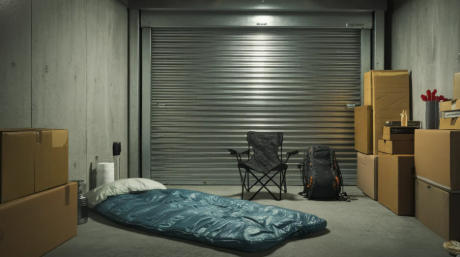
Australia’s housing crisis has pushed many people to explore unconventional living arrangements, including the possibility of living in storage units. Rising rental costs, limited availability, and financial pressures have led some to wonder whether storage facilities could provide temporary shelter.
While the desperation behind this question is understandable, it’s important to address both the legal realities and safety concerns upfront. Storage units are not designed for human habitation and come with significant restrictions that make this option both legally problematic and potentially dangerous.
What drives people to consider storage units as housing
The appeal of storage units as potential living spaces stems from several factors. They offer relatively affordable monthly rates compared to rental properties, provide enclosed shelter from the elements, and don’t require the same application processes or credit checks as traditional rentals.
Some people facing housing instability see storage units as a bridge solution while they work toward more stable accommodation. The perceived privacy and security of these facilities can seem attractive to those with limited options.
However, what appears to be a practical solution on the surface involves serious legal and safety complications that need careful consideration.
Is it legal to live in a storage unit in australia
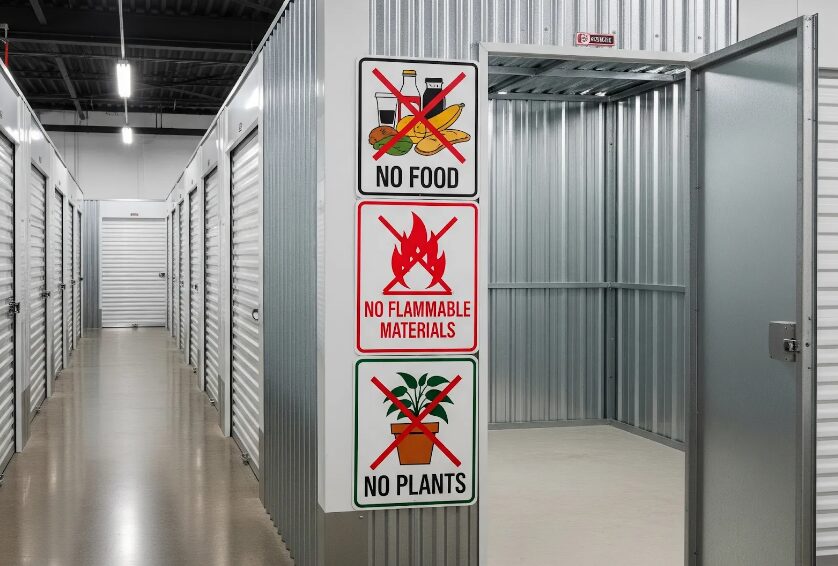
Living in a storage unit is illegal across Australia. Industry experts confirm that storage facilities are not zoned for residential use and do not meet the building codes, health standards, or safety requirements mandated for human habitation.
Storage unit rental agreements explicitly prohibit using the space as living accommodation. Research shows that violating these terms can result in immediate eviction from the facility and potential legal consequences.
Legal consequences of living in storage units
When storage facilities discover tenants living in units, they typically terminate the rental agreement immediately. Studies by storage providers show this can leave people in vulnerable situations with little notice to find alternative accommodation.
Beyond contract violations, living in storage units can involve:
- Breaching local council zoning laws
- Violating building and fire safety codes
- Potential trespassing charges if you remain after eviction
- Loss of any belongings stored in the unit
Property managers and facility owners face their own legal risks if they knowingly allow residential use, though the evidence on specific prosecution outcomes is still emerging and experts have different views on the exact legal implications.
Why storage facilities actively prevent residential use
Storage companies have strong incentives to prevent people from living in their facilities. Insurance policies typically exclude coverage for residential use, leaving operators exposed to significant financial risk if accidents occur.
Facilities also face potential liability for injuries or health problems that could arise from unsuitable living conditions. The regulatory and legal complications of residential tenancies are far beyond what storage businesses are equipped to handle.
Safety concerns with storage unit living
Even setting aside legal issues, storage units present serious safety and health risks that make them unsuitable for human habitation.
Environmental and structural hazards
Storage units lack proper ventilation systems designed for occupied spaces. While we don’t yet know for sure all the specific health impacts, this creates potential risks of poor air quality and dangerous accumulation of fumes from vehicles or chemicals stored nearby.
Temperature control in most storage facilities is minimal or non-existent. Extreme heat in summer and cold in winter can create dangerous conditions, particularly for vulnerable individuals.
Fire safety systems in storage facilities are designed for stored goods, not for people sleeping inside. Emergency exits may be limited, and sprinkler systems might not provide adequate protection for occupied spaces.
Health and hygiene challenges
Research confirms that storage units typically lack access to:
- Running water for drinking, cooking, or washing
- Proper bathroom facilities
- Kitchen amenities for food preparation
- Adequate lighting for daily activities
The lack of these basic amenities creates significant health risks and makes maintaining personal hygiene extremely difficult. Mould and moisture problems common in storage environments can also pose respiratory health risks.
“While we understand people face genuine housing struggles, storage units simply aren’t safe or legal living spaces. We encourage anyone in housing difficulty to explore proper support services and legitimate accommodation options.”
Security and personal safety considerations
Storage facilities often have limited security presence during evening and overnight hours. While this might seem to make discreet living easier, it also reduces available help in emergencies.
The isolated nature of storage units can make people vulnerable to criminal activity or unable to quickly access help if medical emergencies arise.
What happens if you’re caught living in a storage unit
Storage facility operators typically conduct regular inspections and have security measures that make it difficult to live in units undetected for extended periods.
Detection methods used by facilities
Facilities use various methods to identify unauthorised residential use, including:
- Regular visual inspections during business hours
- Monitoring unusual patterns of access or extended stays
- Security camera surveillance
- Reports from other tenants or staff
- Detection of living-related items during routine checks
Once detected, the consequences are usually swift and decisive.
Immediate and long-term consequences
When facilities discover residential use, industry standards indicate they typically:
- Issue immediate notice to vacate the premises
- Terminate the storage rental agreement
- Require removal of all belongings within a short timeframe
- May involve local authorities or police if necessary
This can create additional hardship for people already facing housing difficulties, potentially leaving them with even fewer options and immediate homelessness.
Alternative housing options during difficult times
While storage units aren’t viable living solutions, several legitimate alternatives exist for people facing housing challenges in Australia.
Emergency accommodation services
Each state and territory provides emergency accommodation services for people in crisis situations. Evidence shows that these include crisis accommodation centres and transitional housing programs, though the evidence is still emerging on the full range of what constitutes emergency relief services. These services typically encompass:
- Crisis accommodation centres
- Transitional housing programs
- Supported temporary accommodation
- Emergency relief services
Contact your local housing authority or community services department to access these programs.
Affordable housing and rental assistance
Government programs confirm that various forms of housing assistance are available:
| Program type | What it provides | How to access |
|---|---|---|
| Rental assistance | Financial help with rent payments | Centrelink or state housing departments |
| Public housing | Subsidised long-term rental accommodation | State housing authority applications |
| Community housing | Non-profit managed affordable rentals | Community housing providers |
| Private rental schemes | Support accessing private rental market | Local council or community organisations |
Temporary living arrangements
While working toward stable housing, consider legal temporary options such as:
- Staying with friends or family members
- House-sitting arrangements
- Short-term rental accommodations
- Caravan parks with cabin accommodations
- Boarding houses or share accommodation
These options, while not ideal long-term solutions, provide legal and safer alternatives to storage unit living.
What the research says about storage unit living
The evidence surrounding storage unit living is clear in several key areas:
- Studies consistently show that storage units lack essential amenities like plumbing, ventilation, and fire safety systems designed for human habitation
- Research confirms that living in storage units violates zoning laws and rental agreements across all Australian states and territories
- Evidence demonstrates that proper support services and legitimate housing alternatives offer more stable and safe accommodation compared to illegal storage unit arrangements
- Industry data shows that insurance policies exclude coverage for residential use of storage facilities, creating significant liability risks
- The evidence is still emerging on some specific health impacts of poor ventilation in storage spaces, but experts consistently recommend against residential use
- Not all studies agree on the exact legal penalties facility owners face, but there’s consensus that allowing residential use creates serious compliance issues
How proper storage solutions can help during housing transitions
While you can’t live in storage units, legitimate storage services can play an important role during housing transitions and difficult periods.
Supporting housing transitions
When moving between accommodations or downsizing due to financial constraints, professional storage services help by:
- Providing secure space for belongings during transitions
- Reducing moving costs by eliminating multiple trips
- Offering flexibility without long-term commitments
- Allowing you to downsize to smaller, more affordable accommodation
This legitimate use of storage can help reduce overall living costs while maintaining access to important possessions.
What to look for in storage services
When selecting storage during housing difficulties, prioritise:
- Flexible rental terms without long lock-in periods
- Competitive pricing that fits tight budgets
- Easy access when you need your belongings
- Security features to protect your possessions
- Climate control for sensitive items
Mobile storage solutions can be particularly helpful during housing transitions, as they bring storage directly to you and can adapt to changing circumstances.
Getting help and support
If you’re considering storage unit living due to housing difficulties, it’s important to seek proper support and explore all available options.
Where to get immediate help
Contact these services for housing assistance and support:
- National Homelessness Hotline (1800 474 753)
- Your local council’s community services department
- State housing authority offices
- Community housing organisations
- Local Salvation Army or other charitable organisations
These organisations can provide immediate guidance and connect you with appropriate services in your area.
Planning for stable housing
While seeking immediate help, work on longer-term strategies such as:
- Applying for public or community housing waitlists
- Exploring rental assistance programs
- Connecting with employment services if needed
- Building a support network through community organisations
- Accessing financial counselling services
Remember that many people have successfully navigated housing difficulties with proper support and persistence.
Moving forward with realistic expectations
Understanding the realities around storage unit living is an important step toward finding legitimate solutions to housing challenges. While the desire to find any form of affordable shelter is completely understandable, storage units simply cannot provide the safe, legal accommodation people need.
The good news is that Australia has support systems and services designed to help people through housing difficulties. These may not solve problems immediately, but they offer genuine pathways toward stable, safe accommodation.
Rather than risking the legal and safety complications of storage unit living, focus your energy on accessing proper support services and exploring legitimate housing alternatives. This approach takes more effort initially but leads to better outcomes and avoids the additional problems that illegal accommodation creates.
Remember that housing difficulties, while extremely stressful, are often temporary situations that can improve with proper support and planning. Many people have successfully navigated similar challenges and found stable housing through persistence and appropriate help.