
When you’re drowning in household clutter or planning a major life transition, the appeal of industrial-strength storage solutions can be tempting. After all, if these systems can handle warehouse inventory and commercial goods, surely they’ll make short work of your household belongings.
Industrial storage for households refers to using commercial-grade storage systems, facilities, or equipment designed for business and warehouse applications in residential settings. This might include heavy-duty pallet racking, cantilever systems, wire shelving units, or even renting space in industrial warehouses rather than traditional self-storage facilities.
While industrial storage solutions offer impressive durability and space efficiency, they’re not always the right fit for household storage needs. Understanding when industrial-grade options make sense and when they’re overkill can save you money and frustration while ensuring your belongings get the care they deserve.
What Makes Industrial Storage Different from Household Storage
How Industrial Storage Systems Are Designed
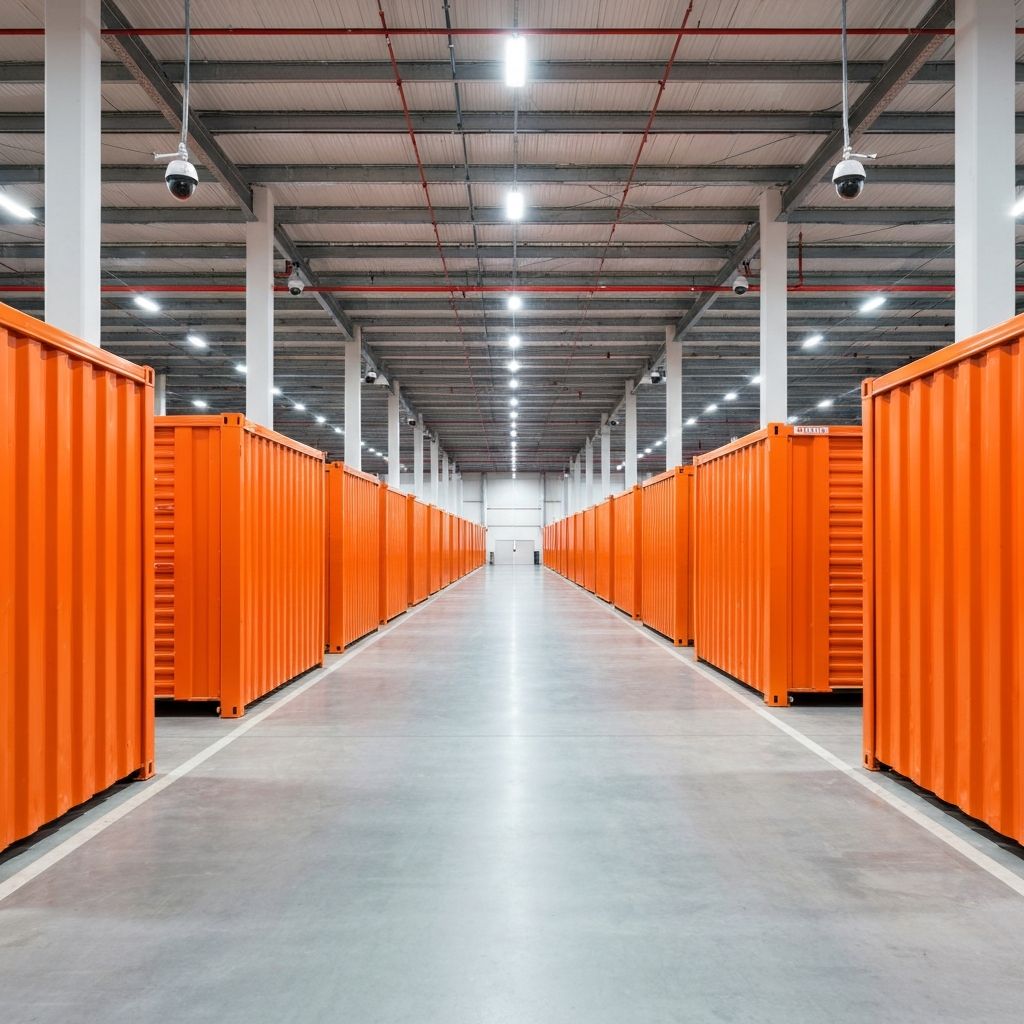
Industrial storage systems prioritise maximum space utilisation and heavy load capacity over convenience and accessibility. Research shows these solutions typically feature robust steel construction, modular designs, and configurations optimised for forklifts and warehouse equipment rather than human-scale access. A comprehensive overview of industrial storage systems confirms that they’re built for durability and maximum efficiency in commercial environments.
Key characteristics include high vertical capacity, standardised dimensions for efficient packing, minimal aesthetic considerations, and durability designed for constant commercial use. Industrial facilities often operate with concrete floors, high ceilings, and climate control focused on preventing damage rather than comfort.
Why Traditional Household Storage Takes a Different Approach
Residential storage solutions prioritise accessibility, security for personal belongings, and human-friendly scale. Studies on storage preferences show that traditional self-storage facilities offer ground-level access, reasonable unit sizes, and features like individual climate control, security cameras, and convenient access hours, though not all facilities provide every feature equally.
The materials and construction reflect different priorities too. Household storage often includes features like carpeted floors, interior lighting, and easy-access door mechanisms that make regular visits more comfortable and practical.
When Does Industrial Storage Make Sense for Households
Large Volume Storage Requirements
Industrial storage becomes worthwhile when you’re dealing with substantial volumes that exceed typical household storage capacity. This might apply during major downsizing, estate management, or business inventory that overlaps with personal storage needs.
- Moving from a large family home to a smaller property
- Storing furniture and belongings for multiple family members simultaneously
- Managing collections or hobby materials that require significant space
- Temporary storage during extensive renovations affecting the entire home
Items That Benefit from Heavy-Duty Storage
Certain household items genuinely benefit from industrial-grade storage systems. Heavy tools, outdoor equipment, seasonal decorations, and bulk household supplies can work well with robust shelving and pallet systems, as these systems are designed to handle substantial weight and harsh environments.
Industrial storage particularly suits items you access infrequently but want to preserve long-term, though experts note that the evidence is mixed on whether this approach is cost-effective for typical household items. This includes archived documents, seasonal sporting goods, camping equipment, or furniture pieces you’re keeping for future use.
| Storage Type | Best For | Access Needs | Typical Cost |
|---|---|---|---|
| Industrial Warehouse | Large volumes, long-term | Scheduled access only | Lower per cubic metre |
| Self-Storage Unit | Regular household items | Convenient daily access | Higher per square metre |
| Mobile Storage | Flexible household needs | On-demand delivery | Variable based on service |
What Are the Practical Limitations of Industrial Storage for Households
Access and Convenience Challenges
Industrial storage facilities typically operate on business schedules with limited access hours and advance booking requirements. Unlike self-storage where you can pop in whenever needed, industry analysis shows that industrial warehouses often require appointments and may restrict weekend or evening access.
The physical environment poses additional challenges. High ceilings and pallet-based systems mean you’ll likely need assistance or equipment to retrieve items stored above ground level. Research on industrial property specifications confirms that typical ceiling heights of 32-40+ feet require specialised equipment for safe access to upper storage levels. Loading docks and concrete floors aren’t designed for comfortable pedestrian access.
Cost Considerations That Affect Value
While industrial storage often offers lower per-cubic-metre rates, the minimum storage requirements can make it expensive for typical household volumes. Evidence suggests that many facilities require minimum commitments that exceed what most households need, negating potential savings.
Additional costs frequently include handling fees, access charges, and insurance requirements that can add up quickly, though the evidence on specific fee structures varies between providers. The current storage market shows inflated pricing due to high demand, making cost comparisons even more critical.
“Storage is best reserved for items with genuine value or sentimental importance, not everyday household goods that depreciate over time. Focus your budget on protecting what truly matters.”
How to Evaluate Whether Industrial Storage Fits Your Household Needs
Calculating Your Storage Volume and Access Patterns
Start by honestly assessing how much you’re storing and how often you’ll need access. Research consistently shows that industrial storage works best for large volumes, though the evidence is mixed on access patterns – some facilities offer flexible access while others have strict limitations.
- Measure your total storage volume in cubic metres
- List how often you’ll need specific items
- Consider seasonal access patterns for holiday decorations or sporting equipment
- Factor in whether items require climate control or special handling
Understanding Security and Insurance Implications
Industrial facilities may offer different security standards than residential storage options. While commercial facilities often have robust perimeter security, individual item protection might be less comprehensive than purpose-built self-storage facilities.
Insurance coverage varies significantly between industrial and residential storage options. Verify what’s included and what additional coverage you’ll need for valuable household items.
Comparing Total Costs Beyond Base Rates
Effective cost comparison requires looking beyond headline rates to include all associated expenses. Factor in transport costs, access fees, insurance premiums, and any handling charges when evaluating options.
Consider upfront costs like security deposits and setup fees alongside ongoing monthly charges. Some industrial facilities require significant advance payments that impact cash flow compared to monthly self-storage arrangements.
What Alternative Storage Solutions Work Better for Most Households
Traditional Self-Storage Advantages
Purpose-built self-storage facilities offer the convenience and accessibility most households need. Comparative studies show that ground-level units, personal access codes, and extended hours make them practical for storing items you might need with short notice.
The security features in reputable self-storage facilities are designed specifically for personal belongings, with individual unit alarms, comprehensive surveillance, and staff oversight during business hours.
Mobile Storage as a Flexible Middle Ground
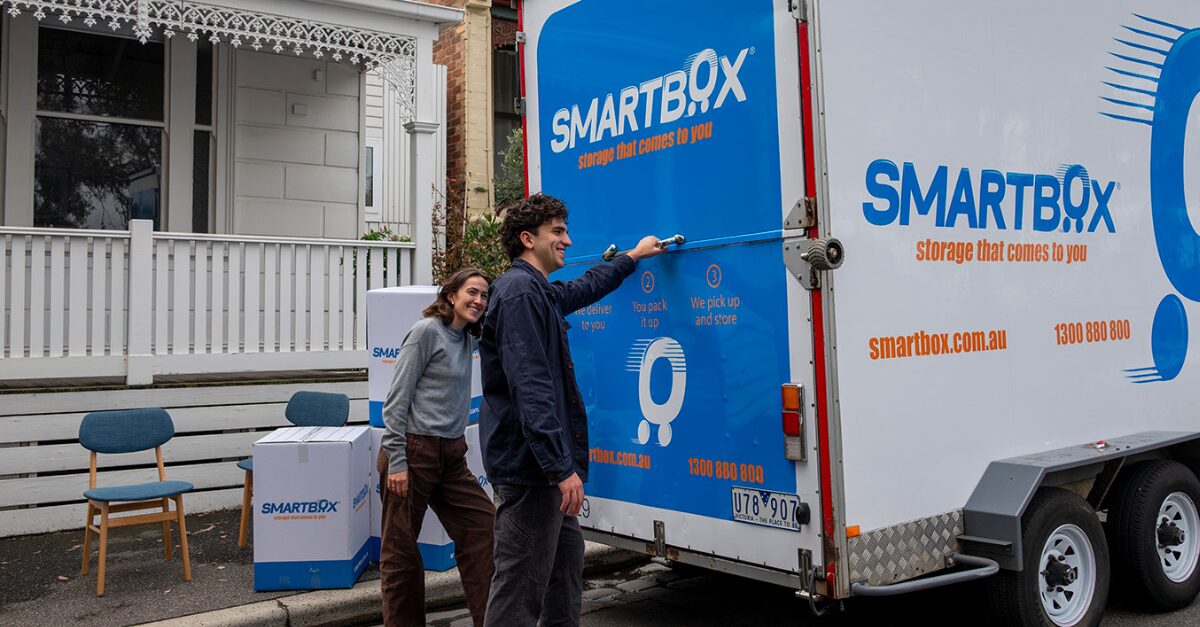
Mobile storage services bridge the gap between convenience and cost-effectiveness by delivering storage units directly to your location. This eliminates transport hassles while offering the flexibility to keep units on-site or have them stored at secure facilities.
For households managing temporary storage needs during moves or renovations, mobile options provide the convenience of loading at your own pace without the ongoing access limitations of industrial facilities.
Hybrid Approaches for Different Item Categories
Many households benefit from using different storage solutions for different types of belongings. Keep frequently needed items in accessible self-storage while using more cost-effective options for long-term archive storage.
- Use mobile storage for furniture and large items during transitions
- Keep seasonal clothing and sports equipment in convenient self-storage
- Consider peer-to-peer storage platforms for overflow items
- Reserve industrial options only for truly large-volume, long-term needs
What the research says about storage choices
Industry studies provide helpful insights for Australian households considering their storage options:
- Industrial systems excel for heavy-duty needs: Storage system research confirms that steel construction and forklift-optimised designs make industrial solutions ideal for heavy tools and bulk materials.
- Self-storage offers better accessibility: Evidence consistently shows that purpose-built facilities prioritise convenient access over maximum capacity utilisation.
- Cost structures vary significantly: While industrial storage shows lower per-cubic-metre rates, minimum commitments often exceed household needs.
- Access patterns matter more than expected: The evidence is mixed on optimal access frequency, but most households overestimate how often they’ll visit stored items.
- Climate control availability varies: Not all traditional storage facilities offer individual climate control, so this feature requires specific investigation.
How to Make the Right Storage Decision for Your Household
Prioritising Items by Value and Access Needs
Focus your storage budget on items with genuine irreplaceable or high sentimental value rather than everyday household goods that lose value over time. This approach helps justify storage costs and guides your choice between different storage types.
Create categories based on how often you’ll need items and their replacement cost. Frequently needed items warrant convenient storage, while rarely accessed belongings can tolerate less convenient but more cost-effective options.
Planning for Realistic Access Requirements
Be honest about how often you’ll actually visit your storage. Many people overestimate their access needs initially, then find they rarely retrieve stored items. This insight can guide you toward more cost-effective solutions with limited access.
Consider seasonal patterns and life changes that might affect your storage needs. Young families often need more flexible access than empty nesters, while temporary storage during moves has different requirements than long-term archive storage.
What to Do Next for Your Storage Needs
Start by cataloguing what you need to store and honestly assessing your access patterns. Get quotes from multiple providers including traditional self-storage, mobile storage services, and any industrial options you’re considering.
For most Australian households, mobile storage offers the best combination of convenience and cost-effectiveness for temporary storage needs, while traditional self-storage works well for ongoing requirements with regular access.
Smartbox provides mobile storage solutions that eliminate the transport hassles and access limitations that make industrial storage impractical for most household needs, delivering secure storage units directly to your location when you need them.
Making Storage Work for Your Australian Household
Industrial storage can work for households with genuinely large volumes and infrequent access needs, but most families benefit more from purpose-built residential storage solutions. The convenience, security features, and human-friendly scale of traditional or mobile storage options typically outweigh the potential cost savings of industrial facilities.
Focus on protecting items with real value or sentimental importance rather than paying to store replaceable household goods. With current market pressures keeping storage costs elevated, choosing the right solution for your specific needs becomes even more important for your budget and peace of mind.
The key is matching your storage choice to your actual usage patterns, access needs, and the true value of what you’re storing. Industrial storage has its place, but for most Australian households, more conventional storage solutions offer better value and convenience.