
Moving house, renovating, or downsizing often means finding temporary homes for valuable electronics like televisions, gaming consoles, computers, and sound systems. The worry about storing electronics in storage units is completely understandable – these items represent significant investments and hold irreplaceable content like photos, documents, and entertainment libraries.
The reality is that most modern electronics are surprisingly resilient when stored properly. Manufacturers design TVs, monitors, and computers to survive shipping conditions that are often harsher than typical storage environments, though proper protective measures during both shipping and storage remain important for preventing damage. However, success depends on understanding the specific risks and taking straightforward protective measures.
This guide examines the real factors that can damage electronics in storage, explains practical protection strategies, and helps you make informed decisions about storage duration and conditions based on your specific electronics and circumstances.
What are the main risks to electronics in storage
Understanding the primary threats helps you focus your protection efforts where they matter most. Electronics face several environmental challenges in storage that differ significantly from normal household conditions.
How does moisture affect stored electronics
Moisture poses the greatest risk to stored electronics, but not always in the way people expect. While light condensation rarely causes immediate damage, sustained high humidity can lead to corrosion of internal components over time. Research shows that prolonged exposure to humid conditions can cause moisture accumulation, electrochemical migration, and gradual degradation of electrical contacts.
- Circuit boards and metal connections gradually corrode in consistently humid environments
- Screens may develop spots or clouding if moisture penetrates protective seals
- Hard drives and optical drives are particularly vulnerable to humidity damage
- Batteries can leak or corrode more rapidly in damp conditions
Interestingly, modern electronics often include moisture-resistant features that provide reasonable protection for short-term storage. Electronics manufacturing guidance typically recommends humidity levels around 30% to 70% relative humidity, though the evidence suggests specific operating ranges vary by device type rather than following a universal 10% to 90% standard.
What temperature extremes can electronics withstand
Temperature fluctuations worry many people, but electronics typically handle temperature variations better than sustained moisture exposure. Most devices are designed to function across temperature ranges that exceed what they encounter in storage.
The real concern occurs when rapid temperature changes create condensation. When cold electronics are moved to warm environments, moisture can form on internal components, creating temporary electrical risks until the device dries out completely.
Which other environmental factors matter
Beyond moisture and temperature, several additional factors influence electronics safety in storage environments.
- Dust accumulation can clog ventilation and create insulation problems
- Direct sunlight through windows may cause screen damage or case warping
- Vibrations from nearby traffic or machinery rarely affect solid-state devices but can impact traditional hard drives
- Pest intrusion poses minimal risk to sealed electronics but can damage cables and packaging
How long can electronics safely remain in storage
Storage duration significantly influences the protection strategies you need and the risks your electronics face. Short-term and long-term storage present different challenges and require different approaches.
What constitutes short-term electronics storage
Storage periods under six months generally pose minimal risk to properly protected electronics. Industry guidance confirms that adequately packaged components can be stored for six-month periods without significant degradation when environmental controls are maintained. During this timeframe, the moisture-absorbing materials included in original packaging often provide adequate protection.
Many electronics enthusiasts report successful short-term storage even in challenging conditions like non-climate-controlled units during humid seasons. The key lies in proper preparation rather than perfect environmental control.
“Most people worry unnecessarily about short-term electronics storage. With basic precautions like original boxes and moisture absorbers, your devices will handle a few months in storage without issues.”
When does long-term storage require additional precautions
Storage extending beyond six months introduces additional considerations, particularly regarding battery health and moisture control systems. Batteries naturally discharge and may leak if left unattended for extended periods, especially under unfavourable conditions such as heat exposure or deep discharge states.
| Storage Duration | Primary Concerns | Protection Level Needed |
|---|---|---|
| 1-3 months | Basic moisture protection | Original packaging sufficient |
| 3-6 months | Battery care, elevated storage | Additional moisture absorbers recommended |
| 6-12 months | Battery removal, enhanced moisture control | Climate-controlled storage preferred |
| Over 12 months | Component degradation prevention | Professional storage solutions recommended |
How do seasonal factors influence storage planning
Australian climate variations affect storage conditions significantly. Summer humidity in northern regions and winter dampness in southern areas create different challenges for electronics storage.
Planning storage timing around seasonal weather patterns can reduce environmental stress on sensitive equipment. Spring and autumn often provide the most stable conditions for placing items into storage.
What preparation steps protect electronics effectively
Proper preparation before storage prevents most electronics damage. These steps address the specific vulnerabilities of different device types while remaining practical for typical household situations.
How should you clean electronics before storage
Cleaning removes dust, oils, and debris that can attract moisture or cause corrosion during storage. However, thorough drying is essential before packing to prevent trapping moisture inside protective coverings.
- Use microfibre cloths and electronics-safe cleaning solutions
- Clean all ports, vents, and connection points carefully
- Allow complete air drying for at least 24 hours after cleaning
- Remove any removable components like batteries, memory cards, or cables
Which packing materials work best for electronics
Original packaging provides optimal protection because it includes moisture-absorbing materials and precise cushioning designed for each specific device. When original boxes are unavailable, specific alternatives offer comparable protection.
Anti-static bubble wrap protects against both physical damage and static electricity buildup. Regular plastic wrap can create condensation problems, so breathable protective materials work better for electronics storage.
Why is elevation important for stored electronics
Keeping electronics off storage unit floors helps protect against minor water intrusion and reduces exposure to ground-level moisture. While the evidence suggests that elevating items is beneficial, the specific height needed depends on your storage environment and flood risk rather than following a universal measurement standard.
What moisture control methods actually work
Effective moisture control goes beyond simply adding silica gel packets. Understanding how different moisture absorbers work helps you choose appropriate protection for your specific storage situation and duration.
How effective are silica gel packets for electronics storage
Silica gel packets excel at maintaining stable moisture levels within sealed containers, making them ideal for electronics packed in boxes or protective cases. Industry sources confirm that these desiccant packets effectively absorb water vapour and help control humidity, particularly in well-sealed environments. However, their capacity is limited and they become less effective in very high humidity environments.
Fresh silica gel packets work best – those saved from previous purchases may already be saturated. Adding extra packets beyond what came with the original packaging provides additional protection buffer.
What other moisture absorbers suit electronics storage
Calcium chloride products absorb larger quantities of moisture than silica gel but can create liquid as they work. These products suit storage units rather than sealed boxes because they need space for air circulation.
- Calcium chloride absorbers work continuously without saturation concerns
- Activated charcoal provides moisture control plus odour absorption
- Desiccant clay offers natural moisture absorption for organic materials
- Commercial moisture control systems suit valuable electronics collections
How do you monitor moisture levels in storage
Digital hygrometers provide ongoing moisture level monitoring, helping you understand whether your protection measures are working effectively. These instruments continuously measure humidity levels and can support remote monitoring in some cases. Ideal humidity levels for electronics storage range between 30% and 50%.
Which electronics need special storage consideration
Different electronic devices have varying sensitivities to storage conditions. Understanding these differences helps you allocate protection efforts appropriately and avoid over-protecting resilient items while under-protecting vulnerable ones.
How should TVs and monitors be stored safely
Large screens require physical protection as much as environmental protection. Modern LCD and LED displays handle temperature variations well but need protection from pressure and impact.
Screen-down storage risks pressure damage, while screen-up storage can allow dust accumulation. Vertical storage in original packaging provides optimal protection for most television models, though storage guides recommend this as the safest practical option rather than providing comparative testing across all TV and monitor types.
What makes computers and laptops more vulnerable
Computers contain more diverse components than single-function electronics, creating multiple vulnerability points. Hard drives, power supplies, and cooling systems each respond differently to storage conditions.
- Traditional hard drives need protection from vibration and magnetic fields
- Power supplies can develop capacitor problems in extreme temperature cycles
- Cooling fans may stick if dust accumulates during storage
- Memory modules rarely experience storage-related problems
Which audio equipment requires extra care
Audio equipment often includes analogue components that are more sensitive to environmental conditions than modern digital electronics. Speakers, amplifiers, and turntables each need specific protection considerations.
Speaker cones can warp in high humidity, while amplifier components may drift out of calibration during long storage periods. Proper climate control becomes more important for high-end audio equipment.
What warning signs indicate storage problems
Recognising early warning signs allows you to address storage problems before they cause permanent damage. Regular monitoring helps protect valuable electronics during extended storage periods.
How can you spot moisture damage early
Moisture damage often appears gradually, starting with subtle changes that become more obvious over time. Early detection prevents minor issues from becoming major problems.
| Warning Sign | Severity Level | Recommended Action |
|---|---|---|
| Condensation on packaging | Minor concern | Improve ventilation, add moisture absorbers |
| Musty odours from boxes | Moderate concern | Repack with fresh moisture control |
| Visible corrosion on metal parts | Serious concern | Consider climate-controlled storage |
| Water stains on packaging | Critical concern | Immediate inspection and relocation |
What other damage indicators should concern you
Beyond moisture problems, several other indicators suggest environmental or security issues that could affect stored electronics.
- Temperature logging devices showing extreme readings
- Pest activity evidence like droppings or chewed materials
- Dust accumulation patterns suggesting air circulation problems
- Package shifting indicating vibration or security issues
How to choose appropriate storage for your electronics
Selecting suitable storage depends on your electronics’ value, storage duration, and tolerance for risk. Understanding your options helps balance protection needs with practical considerations like cost and convenience.
When is climate-controlled storage worth the investment
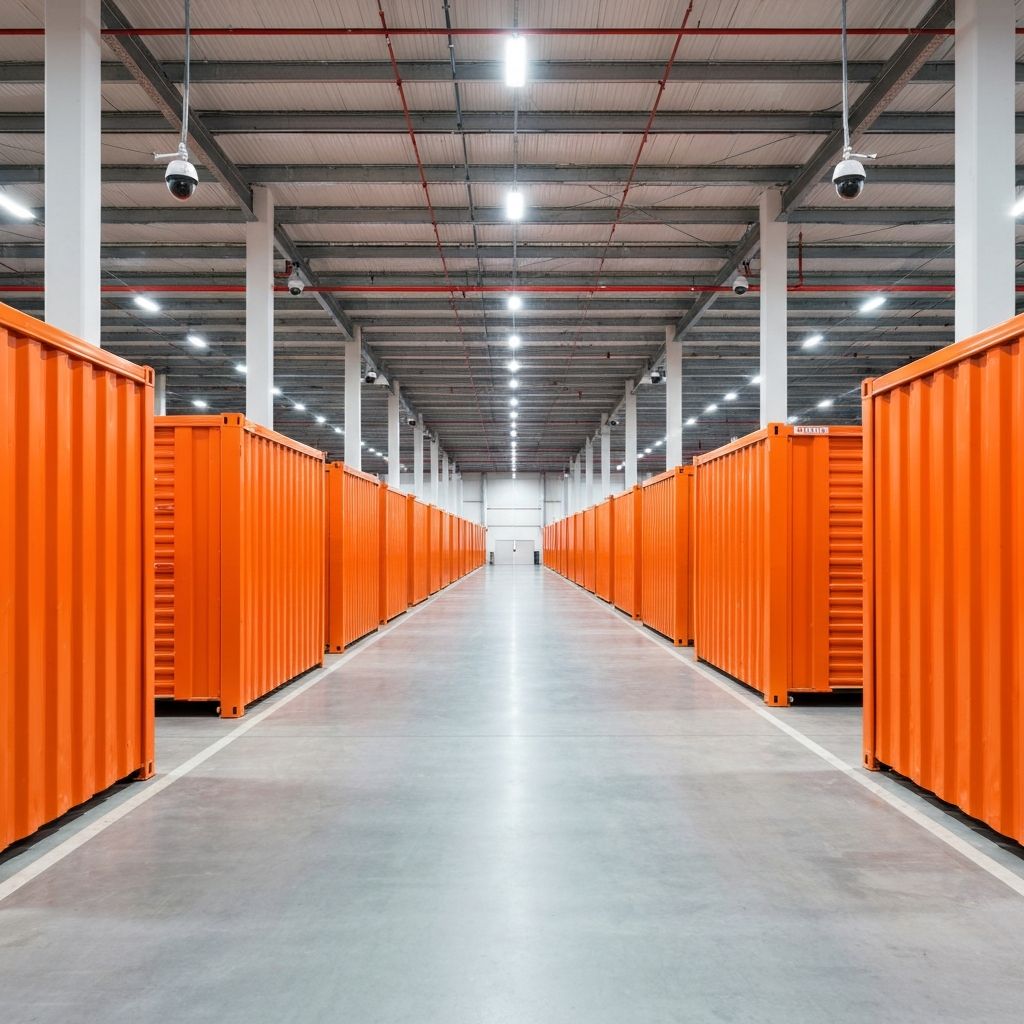
Climate-controlled storage significantly reduces environmental risks but costs more than standard storage options. Multiple industry sources confirm that stable temperature and humidity control lower the chance of damage from heat, cold, humidity, mould, rust, and warping compared to uncontrolled storage. The investment becomes worthwhile for valuable electronics, extended storage periods, or situations where replacement costs exceed storage premiums.
Professional electronics collections, business equipment, and irreplaceable items with personal value often justify climate-controlled storage regardless of replacement cost considerations.
What makes mobile storage suitable for electronics
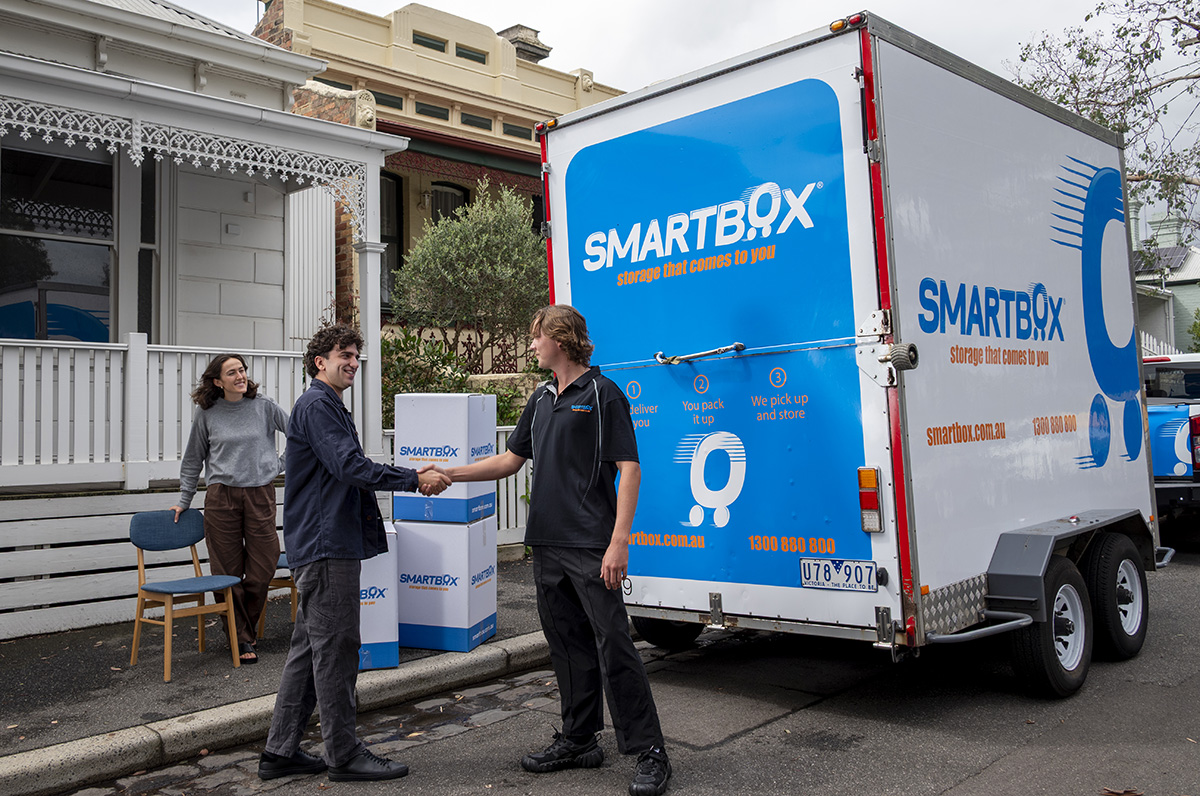
Mobile storage services deliver secure units directly to your location, allowing controlled packing environments and reducing transport risks for fragile electronics. This approach particularly suits short-term storage during renovations or moves.
The ability to pack electronics in familiar, stable environments often results in better protection than transport to traditional storage facilities. Mobile self storage solutions provide flexibility while maintaining security standards suitable for valuable electronics.
What questions should you ask storage providers
Different storage providers offer varying levels of environmental control and security features. Asking specific questions helps you understand what protection your electronics will actually receive.
- What humidity and temperature ranges does the facility maintain
- How often are environmental conditions monitored and recorded
- What pest control measures are implemented regularly
- Are units individually climate controlled or facility-wide
- What security measures protect against theft and unauthorised access
What the research says about electronics storage
- Industry guidelines confirm that properly packaged electronics can be stored for up to six months without significant risk when basic environmental controls are maintained
- High humidity poses the greatest long-term threat through gradual corrosion of internal components, while rapid temperature changes create short-term condensation risks
- Original manufacturer packaging with included moisture absorbers provides adequate protection for most short-term storage situations
- Climate-controlled storage demonstrably reduces environmental risks, though the evidence comes primarily from practical industry guidance rather than controlled comparative studies
- Battery removal before storage is widely recommended, as batteries naturally discharge and may leak during extended storage periods
- The evidence on specific humidity operating ranges varies by source, with manufacturing environments typically targeting 40-60% relative humidity rather than the broader 10-90% range sometimes cited
What to do next for safe electronics storage
Protecting electronics in storage requires planning but doesn’t need to be complicated or expensive. Focus on the basics first – proper cleaning, original packaging when available, moisture control, and elevation off floors.
Start by assessing your specific electronics and storage timeline. Items stored for less than three months need minimal intervention beyond original packaging and basic moisture protection. Longer storage periods or valuable equipment may justify additional precautions like climate-controlled facilities.
Consider your storage options carefully. Traditional storage works well for prepared electronics, while mobile storage provides additional control over packing conditions. Understanding the protection versus cost trade-offs helps you make decisions aligned with your electronics’ value and your peace of mind.
For comprehensive electronics storage protection with the convenience of door-to-door service, Smartbox delivers secure, weatherproof storage units directly to your location. This approach lets you pack electronics in controlled conditions while maintaining professional storage security standards.
Remember that proper preparation prevents most storage damage to electronics. Taking time to clean, pack appropriately, and protect against moisture creates significantly better outcomes than perfect environmental control without preparation.
Key takeaways for electronics storage success
Modern electronics handle storage better than many people expect, especially when basic protection measures are followed. Moisture control remains the primary concern, but simple solutions like original packaging and silica gel packets provide adequate protection for most situations.
Storage duration influences risk levels more than perfect environmental control. Short-term storage rarely causes problems with proper preparation, while long-term storage may require enhanced protection measures regardless of facility type.
Focus protection efforts on the most valuable or irreplaceable items first. Basic protection works well for most consumer electronics, while professional equipment or items with significant personal value warrant additional investment in climate-controlled storage.
Regular monitoring during storage helps catch problems early when solutions remain simple and inexpensive. Understanding how moisture affects stored items supports better decision-making about protection measures and storage duration.
The goal is protecting your valuable electronics while maintaining practical, affordable storage solutions that fit your specific situation and timeline.