
When you’re researching storage solutions, one of the most important factors to consider is how and when you’ll need to access your belongings. Storage access planning involves understanding the different ways you can retrieve items from various storage options, from mobile storage units that come to your door to traditional self storage facilities you visit yourself.
Getting storage access wrong can lead to unexpected costs, inconvenient scheduling, and frustration when you need your items most. Whether you’re decluttering during a renovation, downsizing to a smaller home, or managing seasonal business inventory, understanding how access works with different storage types helps you choose the right solution for your specific needs.
The key is matching your access requirements to the storage model that best supports them, while being realistic about trade-offs around cost, convenience, and flexibility.
What are the main types of storage access models
Different storage solutions offer vastly different access experiences, each designed for specific use patterns and customer needs. Understanding these models helps you set realistic expectations and choose appropriately.
How does mobile storage access work
Mobile storage operates on a delivery and collection model where the storage unit comes to your location. You pack the unit at your own pace, then the provider collects it for secure storage at their facility. When you need access, you typically schedule a delivery window for the unit to be brought back to you.
This model works well when you need occasional access to seasonal items, archived documents, or belongings you’re storing during a move or renovation. The trade-off is that spontaneous access isn’t possible, and you’ll usually need to plan ahead with advance notice.
What makes traditional self storage different
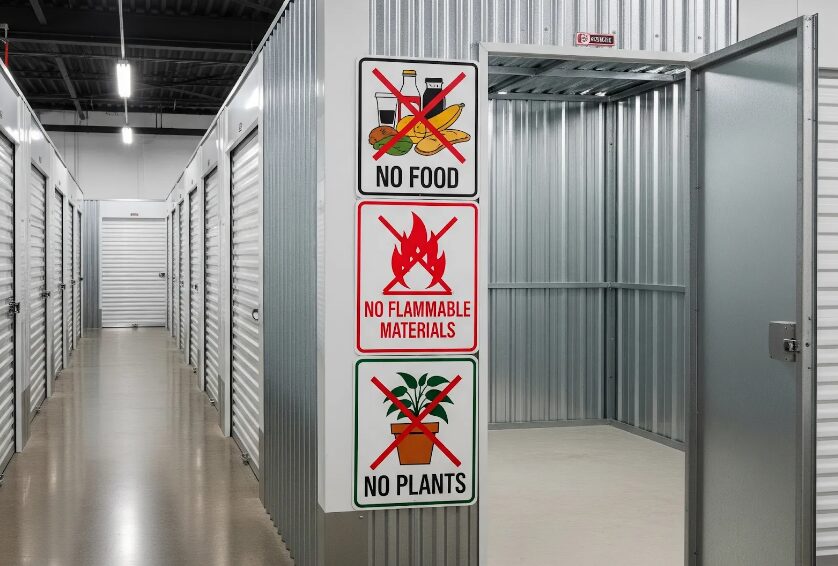
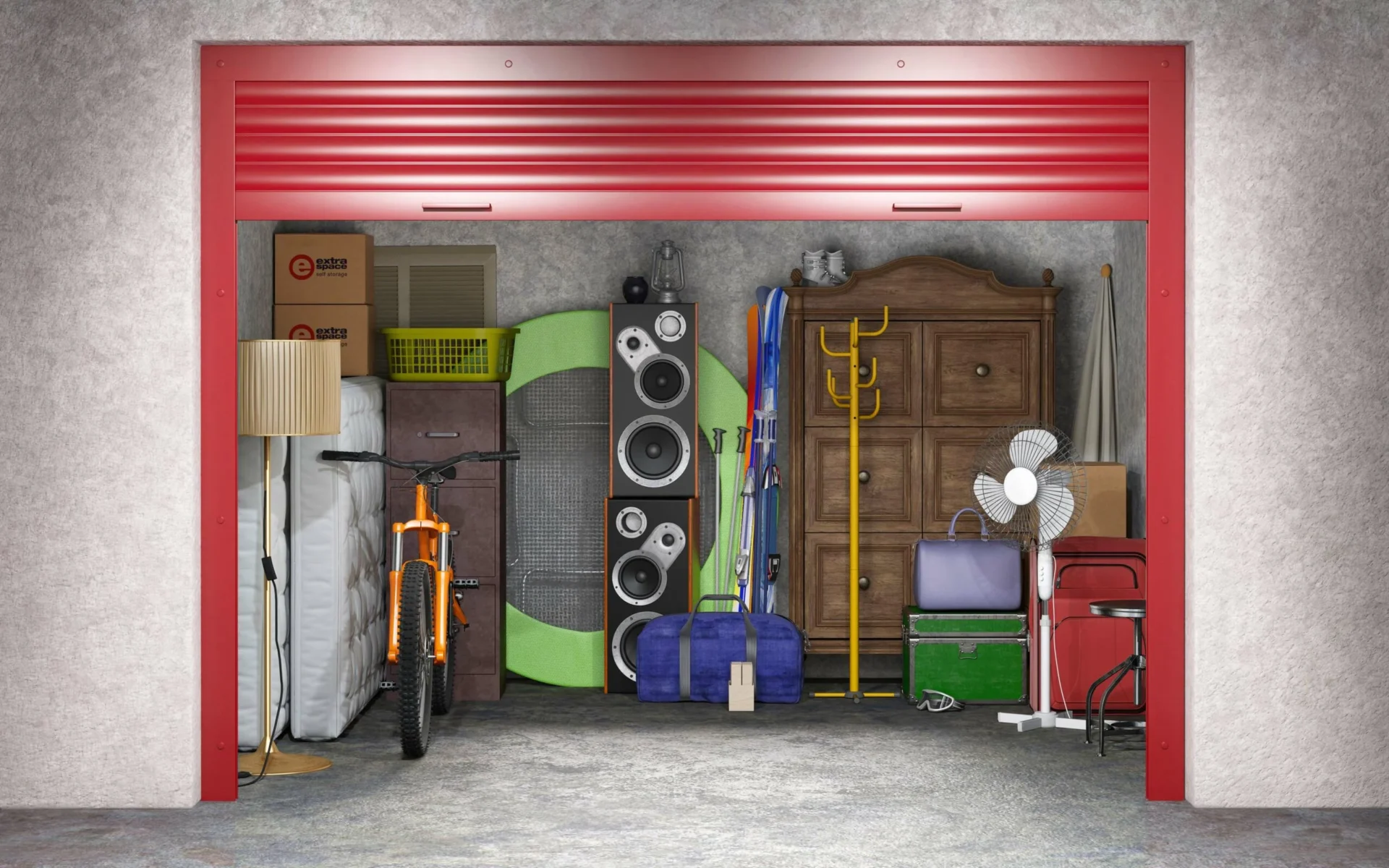
Traditional self storage facilities provide you with a dedicated unit that you access directly using your own transport. While access hours can vary between facilities, many modern self storage locations offer 24/7 availability through electronic gate systems and personal access codes, though some maintain business hours or designated access times.
This model suits situations where you need regular access to stored items, want to add or remove things frequently, or prefer the independence of visiting on your own schedule. However, you’ll need suitable transport and time to travel to the facility each visit.
When does warehouse storage make sense
Warehouse storage typically involves professional staff handling your items, with access managed through appointment systems. Your belongings are often catalogued and stored in a shared space rather than a dedicated unit. Research on warehouse operations shows that factors like layout inefficiencies and manual picking processes can result in longer access times compared to other storage methods.
This approach works for high-value items requiring climate control, businesses needing professional handling, or situations where you rarely need access but want maximum security. Access is generally more formal and may involve longer lead times.
How do you plan your storage access needs
Effective storage access planning starts with honestly assessing how often and when you’ll need to retrieve items. Many people underestimate their access requirements initially, leading to frustration with their chosen storage solution.
What questions should you ask yourself
- How frequently will you need to access stored items – weekly, monthly, seasonally, or rarely?
- Will your access needs be predictable or spontaneous?
- Do you need to add or remove individual items, or will you typically access everything at once?
- What transport do you have available for moving items to and from storage?
- Are there specific times when access is most important, such as seasonal changes or business cycles?
Being realistic about these factors prevents you from choosing storage that looks good on paper but doesn’t match your actual usage patterns.
How should you factor in lifestyle changes
Your access needs may evolve during the storage period. A renovation project might start with occasional access for stored furniture but shift to frequent retrieval as rooms are completed. Similarly, a business might begin with seasonal access for inventory but develop more regular needs as operations grow.
Consider both your immediate requirements and potential changes over the storage period. Flexible storage options that can adapt to changing access needs often provide better long-term value, even if they cost slightly more initially, as research shows scalable solutions deliver efficiency and cost savings over time despite higher upfront costs.
“Most customers benefit from choosing storage with slightly more access flexibility than they think they need initially, as requirements often increase rather than decrease over time.”
What are the real costs of different access models
Understanding the true cost of storage access goes beyond the basic storage fee to include transport, time, and convenience factors that affect your overall experience and budget.
| Storage Type | Access Method | Typical Notice Required | Additional Costs | Best For |
|---|---|---|---|---|
| Mobile storage | Scheduled delivery | 24–48 hours | Delivery fees for access | Occasional access, no transport needed |
| Self storage | Direct access | None | Fuel, time, vehicle wear | Regular access, own transport available |
| Warehouse storage | Appointment based | 1–7 days | Handling fees, minimum charges | Infrequent access, professional handling |
How do hidden costs add up
With traditional self storage, factor in the cost of fuel, vehicle wear, and your time for each visit. Industry analysis shows these additional expenses beyond monthly rent include travel time, truck rental, and related logistical costs that many people overlook initially. If you’re visiting monthly and the facility is 20 minutes away, that’s nearly an hour of travel time plus fuel costs each trip.
Mobile storage may charge delivery fees for access visits, but these are typically transparent upfront costs. Some providers offer bundled access allowances or reduced fees for planned access schedules.
Warehouse storage often has minimum charges for access visits and may require appointments during business hours, which can affect your availability and potentially impact work schedules.
What security considerations affect access planning
Different access models provide varying levels of security, and understanding these differences helps you choose appropriate protection for your belongings while maintaining reasonable access.
How does access frequency impact security
Frequent access to traditional self storage units can increase security risks through repeated exposure and the need to share access codes or keys. However, regular visits also allow you to monitor the condition of your items and the facility.
Mobile storage typically offers enhanced security during the storage phase since units are kept in controlled facilities, but the delivery and collection process involves temporary exposure during transport.
Professional warehouse storage generally provides strong security levels but limits your direct oversight of stored items between access appointments.
What access features should you look for
- Individual access codes rather than shared facility keys
- CCTV coverage of access areas and storage zones
- Controlled entry systems that log access times
- Adequate lighting for safe access during extended hours
- Clear policies about who can access your storage on your behalf
Security experts recommend that access logs and tracking systems are crucial for preventing unauthorised entry and enabling detailed activity monitoring, which improves both safety and accountability.
How do weather and seasonal factors affect access
Australian weather conditions can significantly impact your storage access experience, and planning for seasonal variations helps ensure you can retrieve items when needed.
What weather challenges should you expect
Traditional self storage requires you to load and unload items in various weather conditions. Summer heat can make accessing storage units uncomfortable and potentially damaging to sensitive items, while winter rain creates challenges for moving belongings safely.
Mobile storage delivery can be affected by severe weather, potentially delaying scheduled access when you need items most. Weather impacts approximately 23% of all trucking and delivery operations, with snow, ice, rain, and flooding disrupting transportation networks and causing delays. However, the controlled loading and unloading environment often provides better protection for your belongings during the access process.
Consider how seasonal access needs align with weather patterns. Retrieving Christmas decorations during hot December weather or accessing winter clothing during cold snaps requires different planning approaches.
How should you plan for peak access times
Certain times of year see increased demand for storage access, potentially affecting availability and costs. Research shows that peak seasons, particularly spring/summer and back-to-school periods, increase both storage demand and pricing, with May to September seeing notable price rises due to increased moving and college-related activity.
Plan seasonal access well in advance, especially for mobile storage where delivery scheduling may be limited during peak periods. Traditional self storage avoids scheduling constraints but may see increased facility traffic during popular access times.
What technology tools help with access planning
Modern storage providers increasingly offer digital tools that simplify access planning and help you manage your storage more effectively.
Which digital features matter most
Online booking systems for access appointments eliminate phone tag and allow you to schedule around your availability. Many mobile storage providers offer apps that let you request delivery, track unit location, and manage access history.
Digital inventory tools help you remember what’s stored and where, reducing the need for exploratory access visits. Photo catalogues and item lists prove particularly valuable for storage solutions where items aren’t immediately visible.
Notification systems that remind you of upcoming access appointments, delivery windows, or payment due dates help prevent disruptions to your access schedule.
How can you track access patterns
Keep simple records of when and why you access storage. This data helps you evaluate whether your current storage model matches your actual needs and can inform future storage decisions.
Note any access challenges you encounter, such as delivery delays, facility closures, or transport issues. Patterns in these problems can guide you toward storage solutions that better accommodate your circumstances.
What the research says about storage access planning
Evidence from multiple industry sources provides useful insights into how storage access really works in practice.
- Flexible solutions deliver better value: Research consistently shows that storage options with adaptable access terms provide superior long-term value through scalability and efficiency, even when initial costs are higher than rigid contracts.
- Security features significantly impact safety: Studies confirm that individual access codes, CCTV monitoring, and detailed access logging substantially improve security outcomes and accountability in storage facilities.
- Weather delays are common: Transportation research shows severe weather disrupts nearly a quarter of all delivery operations, making backup access plans essential for time-sensitive storage needs.
- Peak season effects are real: The evidence shows storage demand and pricing fluctuate significantly during moving seasons and holidays, though exact availability impacts vary by location and provider.
- Access frequency assumptions often change: While specific data is limited, industry experience suggests most customers underestimate their access needs initially, making flexibility more valuable than anticipated.
How can we help with your storage access planning
Choosing the right storage solution requires understanding both your current needs and how they might evolve. Smart storage access planning considers convenience, cost, security, and flexibility to find the approach that truly works for your situation.
Mobile storage solutions like Smartbox offer a middle ground between the complete independence of self storage and the restrictions of warehouse storage. By bringing storage units to your location, we eliminate transport requirements while maintaining reasonable access flexibility through scheduled deliveries.
The best storage access plan balances your practical requirements with budget constraints while maintaining enough flexibility to adapt as your needs change. Whether you choose mobile storage for its convenience, self storage for independence, or warehouse storage for security, understanding the access implications helps ensure your storage investment delivers the results you need.
Key takeaways for storage access planning
Effective storage access planning prevents frustration and unexpected costs by matching your storage choice to realistic usage patterns. Consider how often you’ll need access, what transport you have available, and how your needs might change over time.
Different storage models serve different access needs. Mobile storage works well for occasional, planned access without transport requirements. Traditional self storage suits regular access when you have suitable transport. Warehouse storage provides maximum security for infrequent access situations.
Factor in all costs when comparing options, including transport, time, delivery fees, and convenience value. The cheapest storage rate may not provide the best overall value when access costs and limitations are included.
Plan ahead for seasonal access needs and peak demand periods. Whether booking delivery appointments or scheduling facility visits, advance planning ensures you can access your belongings when you need them most.