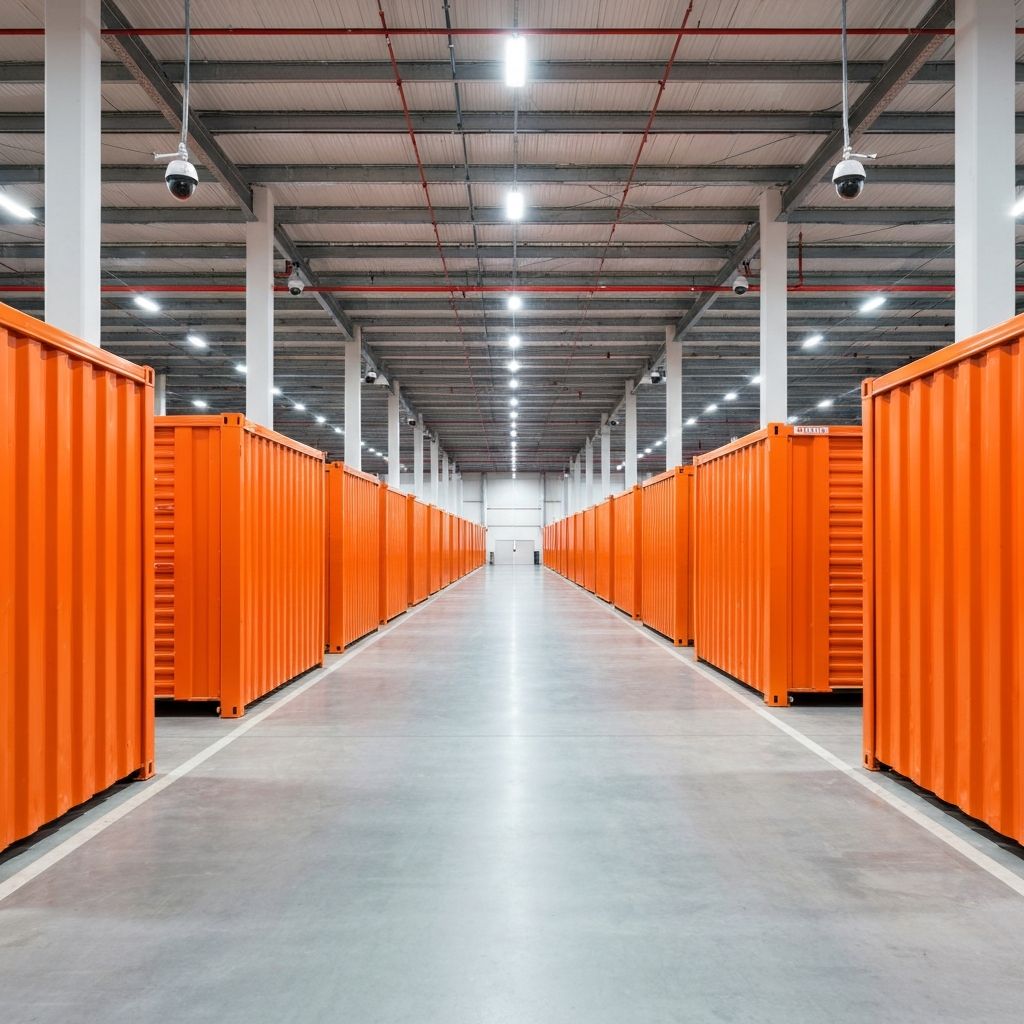


The rental market in Australia has changed dramatically over the past few years, and with it, the storage needs of renters have evolved too. More renters are discovering that traditional storage solutions don’t match their mobile lifestyles, unpredictable lease terms, and tight budgets. Instead, they’re turning to mobile storage options that come to them rather than requiring repeated trips to distant facilities.
Storage for renters has become less about long-term warehousing and more about flexibility during transitions. Whether you’re moving between share houses, downsizing to afford rising rents, or simply need space while your landlord renovates, mobile storage offers a solution that adapts to your timeline rather than forcing you into rigid contracts.
Understanding why this shift is happening can help you make better storage decisions for your own rental situation. The reasons go beyond simple convenience and touch on deeper changes in how Australians rent, move, and manage their belongings in an increasingly expensive housing market.
What housing pressures are driving storage demand
Rising rental costs across Australian cities have fundamentally altered how people live and store their belongings. Many renters now face impossible choices between paying higher rent for adequate space or accepting smaller, more affordable places that can’t accommodate their possessions.
This housing squeeze has created several storage-related challenges that didn’t exist a decade ago. Renters are moving more frequently as landlords sell properties or increase rents beyond affordable levels. Each move requires temporary storage solutions, and traditional facilities often require minimum rental periods that don’t align with the urgent, short-term needs of displaced renters.
How frequent moves create storage needs
The average Australian renter now moves every 2-3 years, with many in major cities moving annually or even more frequently. Each relocation creates a storage gap where belongings need temporary housing during the transition between properties.
Traditional self storage facilities typically require monthly commitments and are located in industrial areas that require car access. For renters using public transport or dealing with tight moving timelines, this creates logistical headaches that mobile storage eliminates by bringing the unit directly to your door.
Why shared accommodation complicates storage
Share housing has become the norm for many renters, particularly in expensive cities like Sydney and Melbourne. However, shared spaces often lack adequate storage, forcing renters to keep belongings in bedrooms or find external solutions for seasonal items, furniture, and personal collections.
Mobile storage works particularly well for share house situations because units can be delivered during specific windows when access is convenient, rather than requiring ongoing coordination with housemates about using vehicles or taking time off work for storage facility visits.
How mobile storage addresses rental-specific challenges
Mobile storage has emerged as a practical response to the unique constraints renters face. Unlike homeowners who can install permanent storage solutions or commit to long-term contracts, renters need options that work within lease limitations and unpredictable timelines.
The door-to-door aspect eliminates many barriers that make traditional storage impractical for renters. You don’t need access to a truck, friends with vehicles, or the ability to take multiple days off work to move belongings back and forth from distant storage facilities.
What flexibility means for renters
Flexibility in storage means different things depending on your rental situation. For some, it’s the ability to access belongings quickly when moving between properties. For others, it’s avoiding long-term contracts when you’re unsure how long you’ll need storage.
- Units delivered and collected on your schedule, not facility opening hours
- Ability to keep units on-site during renovations or temporary arrangements
- Option to move storage location if you relocate to a different area
- Reduced coordination requirements with housemates or building managers
Research from portable storage industry studies indicates that mobile solutions offer significant convenience benefits, particularly for renters who need flexible scheduling options that work around their commitments.
“Mobile storage has changed how renters think about their belongings during transitions. Instead of rushing to fit everything into a new space or giving away items they’ll need later, they can take time to make thoughtful decisions about what stays and what gets stored.”
How cost considerations differ for renters
Renters often have different cost priorities than homeowners when it comes to storage. While traditional storage might offer lower monthly rates, the total cost including transport, time off work, and repeated facility visits can quickly exceed mobile storage costs for short to medium-term needs.
Mobile storage pricing includes delivery, collection, and coordination costs that renters would otherwise pay separately, though the evidence shows that these costs may be itemised rather than bundled into a single price. For someone moving multiple times per year or needing storage during busy periods, this comprehensive approach often provides better value than calculating costs per cubic metre alone.
| Storage Type | Monthly Cost | Setup Time | Access Convenience | Transport Required |
|---|---|---|---|---|
| Traditional self storage | $150–300 | Half day | Facility hours only | Vehicle needed |
| Mobile storage | $200–400 | 2 hours | On your schedule | None |
| Warehouse storage | $100–200 | Full day | Business hours | Commercial vehicle |
What types of renters use mobile storage most
Different renter profiles have discovered mobile storage solves specific problems that traditional options can’t address. Understanding these use cases can help you determine whether mobile storage makes sense for your situation.
Who benefits from transition storage
Renters moving between properties often face gaps where their old lease ends before their new one begins, or situations where they need to move out quickly but haven’t secured their next place. Mobile storage bridges these gaps without requiring you to coordinate with facility schedules or find temporary accommodation for your belongings.
Students moving between university housing, young professionals changing cities for work, and families transitioning between rental properties represent the largest groups using mobile storage for these transition periods. The flexibility to keep belongings accessible while searching for suitable housing removes significant stress from already challenging life changes.
How downsizers use mobile storage strategically
Rising rents have forced many renters to downsize to smaller, more affordable properties. However, downsizing doesn’t always mean getting rid of everything immediately. Storage industry research shows that mobile storage allows people to keep furniture and belongings they might need if their financial situation improves or they find a larger place.
This strategic approach to downsizing helps renters avoid the expense and regret of replacing items they gave away too hastily. Instead of making permanent decisions during stressful moves, mobile storage provides time to adjust to smaller spaces and make thoughtful choices about possessions.
Why share house residents choose mobile options
People living in share houses often accumulate belongings that don’t fit comfortably in their allocated bedroom space. Rather than cluttering common areas or negotiating storage arrangements with housemates, mobile storage provides personal space for seasonal items, furniture, and collections. However, the evidence shows that while mobile storage is helpful for renters with space constraints, specific benefits for share house residents are not as widely documented as other rental scenarios.
This is particularly valuable for renters who move between different share houses, as mobile storage can relocate with them rather than requiring new storage arrangements in each area. The convenience factor becomes especially important when you’re coordinating moves around other people’s schedules and space limitations.
How mobile storage compares to traditional options
Understanding the practical differences between mobile and traditional storage helps renters make informed decisions based on their specific needs, budget, and timeline. Each option serves different purposes and works better for certain rental situations.
What access differences mean in practice
Traditional self storage requires you to travel to the facility during their operating hours, which can be challenging for renters using public transport or working standard business hours. Mobile storage brings the unit to you, allowing access on evenings and weekends when it’s convenient.
However, this convenience comes with trade-offs. Once a mobile storage unit is collected and stored at the facility, accessing your belongings typically requires advance notice and potentially additional fees. Traditional storage offers unlimited access during facility hours, which might be important if you need regular access to stored items.
How security and protection compare
Both mobile and traditional storage options provide weather protection and security, but through different mechanisms. Traditional facilities often feature gated access, on-site security, and climate-controlled units. Mobile storage units are designed to be weatherproof and secure during transport and storage at centralised facilities.
- Traditional storage offers 24/7 facility security and surveillance
- Mobile units provide individual unit security with weather-resistant construction
- Insurance coverage availability varies between providers and facility types
- Climate control availability varies by provider and unit type
Evidence from industry insurance providers suggests that while insurance is available for both types of storage, the coverage structure and automatic inclusion varies significantly between providers.
Which option suits different rental scenarios
Your rental situation often determines which storage type makes most sense. Renters needing regular access to belongings might prefer traditional storage, while those prioritising convenience during moves or transitions often find mobile storage more practical.
Consider traditional storage if you need frequent access, are storing items long-term, or want the lowest possible monthly cost. Mobile storage works better for transition periods, when you lack reliable transport, or if convenience outweighs access frequency in your priorities.
What the research says about storage solutions for renters
Understanding the evidence behind different storage approaches can help you make more informed decisions about what works best for your rental situation.
- Studies confirm that mobile storage provides significant time and transport savings, particularly beneficial for renters without vehicle access
- Research shows mobile storage typically costs more monthly but offers better value for short-term storage needs under six months
- Industry analysis indicates traditional storage becomes more economical for periods longer than 18 months due to lower monthly rates
- Evidence suggests that combining both solutions strategically can optimise costs and convenience for different needs
- However, the evidence on access patterns remains mixed, with some renters overestimating their need for frequent access while others underestimate it
- Research on specific benefits for share house residents is still emerging, with limited data on this particular rental demographic
What to consider when choosing storage as a renter
Making the right storage decision requires balancing your immediate needs against practical constraints and costs. Renters face unique considerations that homeowners don’t need to worry about, particularly around flexibility and access.
How to calculate real costs
Storage costs go beyond monthly rental fees, especially for renters who might need to move belongings multiple times or access them frequently. Factor in transport costs, time off work, and any additional fees for services like delivery or collection.
Mobile storage often has higher upfront costs but can provide better value when you include the convenience and time savings. Cost comparison research shows that traditional storage might offer lower monthly rates but requires additional investment in transport and time that can add up over several months.
What timeline factors matter most
Your storage timeline significantly impacts which option provides the best value and convenience. Evidence consistently shows that storage needs from a few weeks to several months often favour mobile solutions, while traditional storage becomes more economical for longer periods.
Consider whether your timeline is firm or might change based on rental market conditions, work situations, or family circumstances. Mobile storage typically offers more flexibility if your plans change, while traditional storage might lock you into contracts that don’t suit evolving situations.
When access requirements drive your decision
Think realistically about how often you’ll need to access stored belongings. Many renters overestimate their access needs and end up paying for convenience they don’t actually use. Conversely, some underestimate access needs and face frustration when retrieving items becomes complicated.
Research indicates that mobile storage works well when you need items occasionally and can plan ahead for access. Traditional storage suits situations where you might need regular, spontaneous access to belongings. Consider your lifestyle and schedule when evaluating which access model fits better.
How to make mobile storage work for your rental situation
Successfully using mobile storage as a renter requires understanding both the opportunities and limitations of the service. Planning ahead and setting realistic expectations helps you get the best value and avoid common frustrations.
The key to success lies in matching mobile storage capabilities to your specific rental circumstances rather than trying to use it for situations where traditional storage might work better.
What planning steps set you up for success
Effective mobile storage planning begins with honestly assessing what you need to store and for how long. Renters often benefit from decluttering before storage to avoid paying for space they don’t actually need, especially given mobile storage’s convenience premium.
Plan your packing and access schedule around the service’s delivery and collection windows. Mobile storage works best when you can dedicate focused time to loading and unloading rather than expecting constant access throughout the storage period.
- Sort belongings into essential, seasonal, and rarely-needed categories
- Schedule delivery during times when you can pack efficiently
- Plan access requests in advance rather than expecting same-day availability
- Keep detailed inventory lists to avoid unnecessary access requests
How to maximise value from mobile storage
Getting good value from mobile storage requires using its strengths while working within its limitations. The convenience and flexibility typically provide the best return on investment during transition periods and complex moves rather than simple long-term storage needs.
Focus on situations where mobile storage solves problems that traditional options can’t address, such as tight moving timelines, lack of transport, or uncertain rental duration. Using mobile storage simply because it exists rarely provides better value than carefully chosen traditional alternatives.
What’s next for renters considering storage options
The growing popularity of mobile storage among renters reflects broader changes in Australian rental patterns and lifestyle preferences. As housing costs continue rising and rental arrangements become more flexible, storage solutions are evolving to match these new realities.
For renters evaluating their storage options, the choice between mobile and traditional solutions depends heavily on your specific circumstances, timeline, and priorities. Neither option is universally better, but understanding how each aligns with your rental situation helps ensure you make the right decision.
How to choose the right storage approach
Start by clearly defining your storage needs, timeline, and constraints. Consider factors like how often you move, your access requirements, transport availability, and budget flexibility. This foundation helps you evaluate options objectively rather than being swayed by marketing or convenience alone.
Research specific providers and their policies around delivery, access, insurance, and contract terms. Many renters benefit from calling providers directly to discuss their unique situations and understand exactly what services are included versus what costs extra.
Mobile storage solutions like those offered by using mobile storage between rentals can be particularly valuable during transition periods when timing and convenience matter most. For renters in shared accommodation, benefits of mobile storage for shared homes include reducing household coordination and providing personal storage space outside your bedroom.
Understanding mobile self storage vs traditional self storage options helps you make informed comparisons based on your specific rental situation and storage requirements.
Smartbox offers flexible mobile storage solutions designed specifically for renters’ changing needs. Get a free quote today and discover how mobile storage can simplify your next rental transition or provide the extra space you need in shared accommodation.
When to seek professional storage advice
Complex rental situations, valuable belongings, or uncertain timelines might benefit from professional consultation with storage providers. Many companies offer free assessments to help you determine the most appropriate solution for your specific circumstances.
Don’t hesitate to ask detailed questions about policies, access procedures, insurance coverage, and what happens if your plans change. Professional storage providers understand that rental situations can shift quickly and should offer guidance rather than pushing you toward any particular solution.
Key takeaways for renters
Mobile storage has become popular among renters because it addresses specific challenges that traditional storage can’t solve effectively. The convenience and flexibility often justify higher costs during transition periods, moves, and situations requiring tight coordination.
Success with any storage solution requires matching the service to your actual needs rather than choosing based on general preferences or assumptions. Consider your timeline, access requirements, transport options, and budget realistically before making decisions.
The rental market’s continued evolution means storage needs will likely keep changing as well. Staying informed about available options and remaining flexible in your approach helps ensure you make storage decisions that support rather than complicate your rental lifestyle.
Remember that storage is a tool to enhance your living situation, not a permanent solution to space constraints. Whether you choose mobile or traditional storage, use it strategically to support your broader housing and lifestyle goals rather than simply warehouse belongings indefinitely.