
When your business outgrows its current space, deciding between self storage access and warehouse access becomes a crucial operational choice. Understanding how self storage access works compared to warehousing access can make the difference between smooth daily operations and constant logistical headaches.
Self storage facilities typically offer individual unit access with personal codes or keys, while warehousing usually involves shared facility access with different levels of restriction and oversight. The choice affects everything from how quickly you can retrieve items to what time of day you can access your goods, and ultimately impacts your business workflow and growth potential.
The access differences extend beyond simple convenience to include security protocols, operational hours, loading capabilities, and long-term flexibility. Each option suits different business models, inventory types, and growth stages.
How Does Self Storage Access Actually Work
What Are the Standard Self Storage Access Hours
Most self storage facilities operate with extended access hours, typically from 6 AM to 10 PM daily, though some premium facilities offer 24/7 access. Research from major storage providers confirms that these extended hours are becoming the industry standard. You receive a personal access code or swipe card that works during these designated hours, allowing you to visit your unit whenever needed within the facility’s operating window.
The access process is straightforward but has limitations. You enter through a main gate, drive to your specific unit, and use your personal key or code to open your storage space. However, studies show that accessing your goods outside operating hours usually isn’t possible unless you’ve specifically chosen a 24/7 facility, which is only available at select locations.
What Security and Access Controls Apply
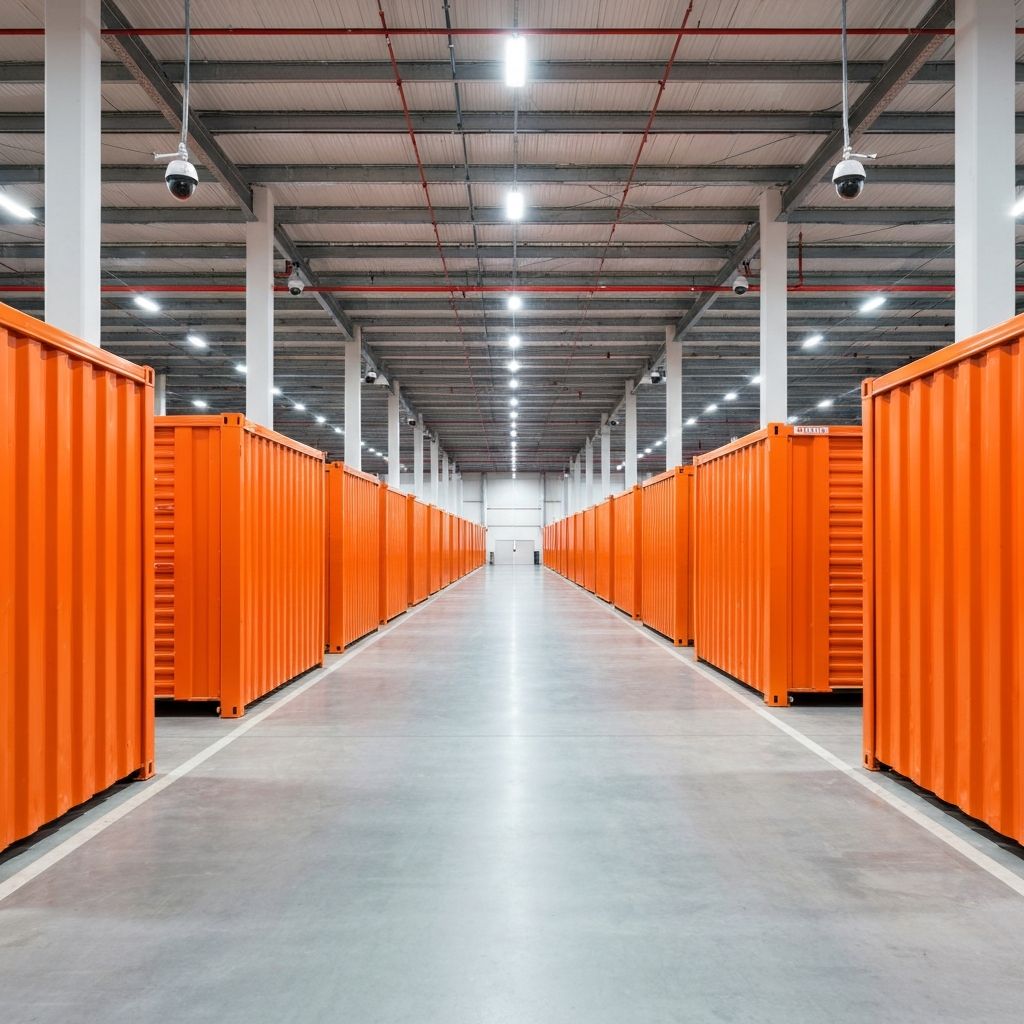
Self storage access typically includes several security layers. Most facilities use perimeter fencing, security cameras throughout the property, and individual unit alarms. Industry research from security specialists indicates that your personal access code tracks when you enter and exit, creating a digital record of all visits.
The security approach focuses on individual accountability. Each tenant is responsible for their own unit security, and the facility monitors general access patterns. Evidence from storage agreements shows that once you’re inside the facility, you generally have unrestricted access to your specific unit without additional oversight or assistance.
- Personal access codes that track entry and exit times
- Security cameras monitoring common areas and driveways
- Individual unit alarms that trigger if tampered with
- On-site management during business hours for assistance
- Perimeter security to prevent unauthorised facility access
How Does Warehouse Access Compare
What Makes Warehouse Access Different
Warehouse access operates on a completely different model focused on operational efficiency rather than individual convenience. Studies from warehouse operators show that most warehouses provide access during standard business hours, typically 8 AM to 5 PM on weekdays, with limited or no weekend access unless specifically arranged.
Unlike self storage where you handle everything yourself, warehouse access often includes staff assistance or oversight. This can mean faster loading and unloading with proper equipment like forklifts and loading docks, though experts note that the evidence on speed advantages varies depending on your specific needs.
What Are the Operational Advantages
Warehouses are designed for efficiency and volume handling. Research on industrial warehousing confirms that loading docks accommodate trucks and larger vehicles, while proper lighting and wider aisles make inventory management more practical. The infrastructure supports business operations rather than personal storage needs.
Many warehouses offer additional services that self storage cannot match, such as inventory management assistance and shipping coordination. However, the evidence is still emerging on climate control offerings, as services vary significantly between different warehouse providers.
“The transition from multiple storage units to a proper warehouse eliminated the chaos of running between different locations and gave us the operational control we needed to scale efficiently.”
| Access Feature | Self Storage | Warehouse |
|---|---|---|
| Operating Hours | 6 AM – 10 PM (some 24/7) | 8 AM – 5 PM weekdays |
| Vehicle Access | Personal vehicles, small vans | Trucks, loading docks |
| Staff Assistance | Limited, self-service model | Available during business hours |
| Access Control | Individual codes/keys | Managed facility access |
| Loading Equipment | Hand trucks, dollies | Forklifts, professional equipment |
Which Access Model Suits Different Business Needs
When Does Self Storage Access Make Sense
Self storage access works well for businesses that need flexibility over operational efficiency. Studies from storage comparisons show that if you access your stored items infrequently, prefer to handle things independently, or need the ability to retrieve specific items outside standard business hours, self storage provides that autonomy.
Small businesses with irregular schedules, seasonal inventory, or document storage often benefit from the extended access hours and individual control that self storage offers. The trade-off is less operational support and infrastructure designed for smaller-scale access.
- Irregular access needs that don’t align with business hours
- Small inventory volumes that don’t require loading dock access
- Preference for independent operations without staff oversight
- Seasonal businesses with fluctuating storage requirements
- Document or equipment storage accessed occasionally
When Does Warehouse Access Become Necessary
Warehouse access becomes essential when your business operations require regular, efficient inventory movement. If you’re accessing stored goods daily or weekly, need professional loading equipment, or handle inventory that requires specific operational standards, warehouse infrastructure provides clear advantages, though the evidence on exactly when this transition becomes necessary is still being studied.
Growing businesses often reach a point where the convenience of self storage access becomes a bottleneck. Multiple storage units create operational chaos, while warehouse access consolidates everything into a single, professionally managed location designed for business efficiency.
What Are the Real Costs of Different Access Models
How Do Access Costs Compare Beyond Rent
While self storage often appears cheaper initially, the total cost includes time spent travelling between multiple units, limitations on vehicle size affecting transport efficiency, and potential productivity losses from restricted access hours. Many businesses underestimate these hidden costs when comparing options.
Research indicates that warehouse access typically costs more per square metre but includes professional infrastructure, loading assistance, and operational efficiency. However, studies show mixed evidence on whether these benefits always offset the higher rental expense, as it depends heavily on your specific operational needs.
What About Long-Term Flexibility and Risk
Self storage generally offers month-to-month flexibility, though not all studies agree on the predictability of costs and policy changes that can affect operations. Many business owners find this flexibility valuable for testing their storage needs without long-term commitment.
Warehouse leases provide more predictable costs and security through fixed-term agreements, but require greater financial commitment. Before committing to either option, building a financial buffer of 6-12 months can help test whether the business can sustain the operational and financial requirements.
What Hybrid and Alternative Access Options Exist
How Does Mobile Storage Access Work
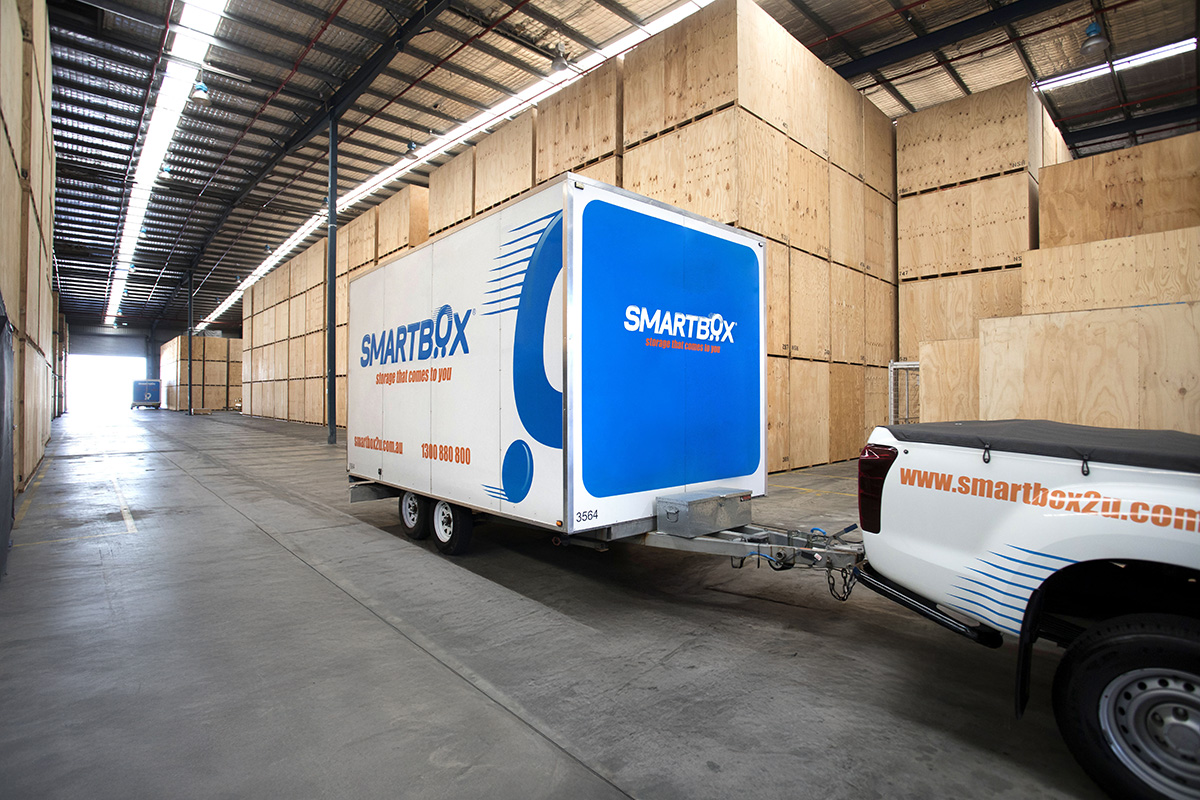
Mobile storage offers a unique access model that combines elements of both self storage and warehouse convenience. Units are delivered to your location, allowing you to pack and access items at your own premises during business hours or after hours without travelling to a facility.
This approach eliminates the time and transport costs associated with traditional storage access while providing the security and professional management of warehouse-style services. You maintain operational control while benefiting from infrastructure designed for business efficiency.
What About Shared and Co-Storage Solutions
Some businesses benefit from shared warehouse space or co-storage arrangements that provide warehouse-level access and infrastructure at lower commitment levels. These options offer professional loading facilities and business-hour access while reducing the financial burden of a full warehouse lease.
Co-warehousing arrangements often include shared amenities like loading docks, shipping coordination, and climate control, making them suitable for businesses that need warehouse access but aren’t ready for the full operational commitment.
- Mobile storage with on-site access flexibility
- Shared warehouse space with professional amenities
- Co-storage arrangements with reduced commitment
- Temporary commercial space for transition periods
- Hybrid solutions combining storage types based on inventory
What the Evidence Shows About Storage Access
Understanding what research tells us about storage access helps you make informed decisions based on proven patterns rather than assumptions.
- Extended access hours (6 AM to 10 PM) are now standard across most self storage facilities, with 24/7 access available at select locations
- Self storage suits businesses with irregular access patterns, small inventory volumes, and seasonal storage needs
- Warehouse access provides superior infrastructure for regular inventory movement, though staff assistance and loading speed advantages vary by provider
- The evidence is mixed on cost effectiveness – while warehouses cost more per square metre, the efficiency benefits don’t always offset higher costs for every business
- We don’t yet know for sure the optimal point when businesses should transition from self storage to warehouse access, as this depends heavily on individual operational patterns
How to Make the Right Access Choice for Your Business
What Factors Should Guide Your Decision
The right access choice depends on your current operational needs and realistic growth projections. Consider how frequently you access stored items, what vehicle access you require, whether you need climate control for commercial purposes, and how much operational oversight versus independence you prefer.
Avoid the temptation to choose based solely on current needs without considering growth trajectory. Many successful businesses outgrow self storage access within 12-18 months, making the transition costs and operational disruption more expensive than choosing appropriate warehouse access initially.
What Steps Help You Transition Smoothly
Whether moving from self storage to warehouse access or choosing between options initially, start by documenting your current access patterns, vehicle requirements, and operational bottlenecks. This baseline helps you evaluate how different access models would affect your daily operations.
Consider staging the transition rather than making dramatic changes immediately. Test your operational capacity with increased costs before committing to long-term arrangements, and maintain financial flexibility to adjust if your initial choice doesn’t match your actual business needs.
The choice between self storage access and warehouse access ultimately shapes your operational efficiency and growth potential. While self storage offers flexibility and individual control, warehouse access provides the infrastructure and professional support that growing businesses typically need for long-term success.